Author: Akash

  • Marketing Testing Guide for AI-Powered Growth Teams

    Marketing Testing Guide for AI-Powered Growth Teams

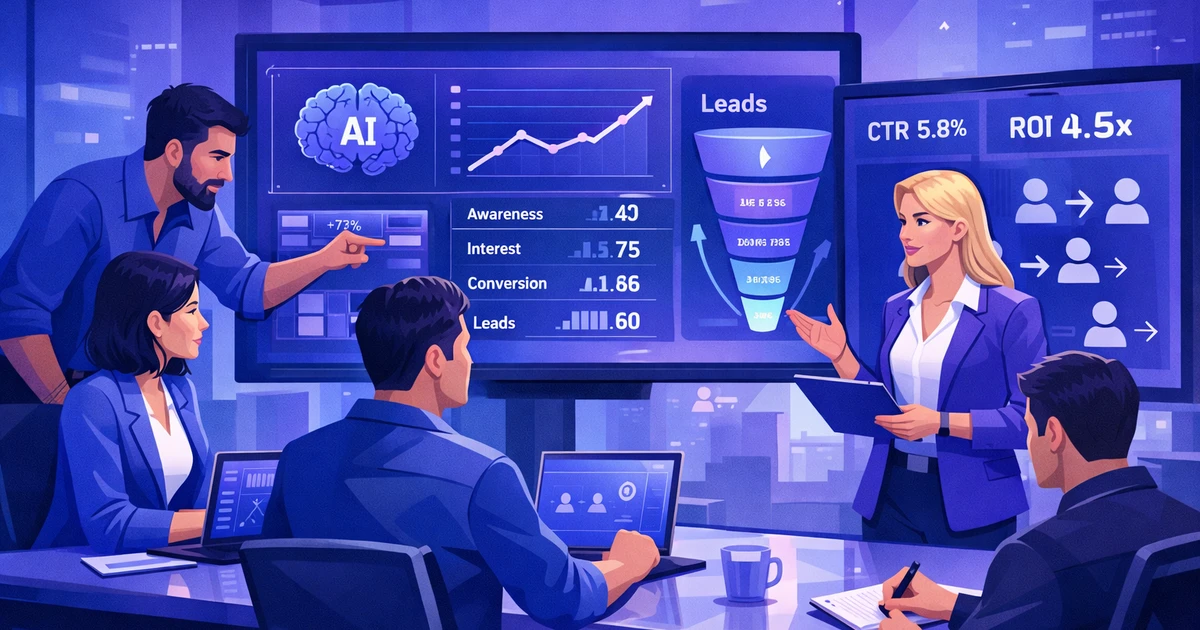
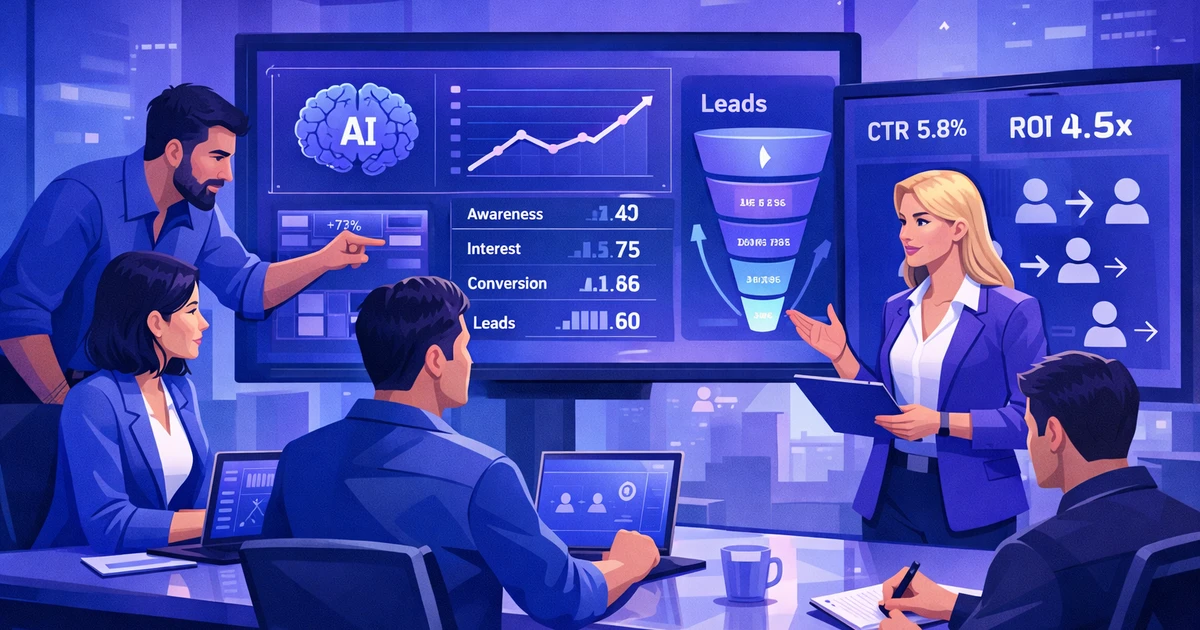
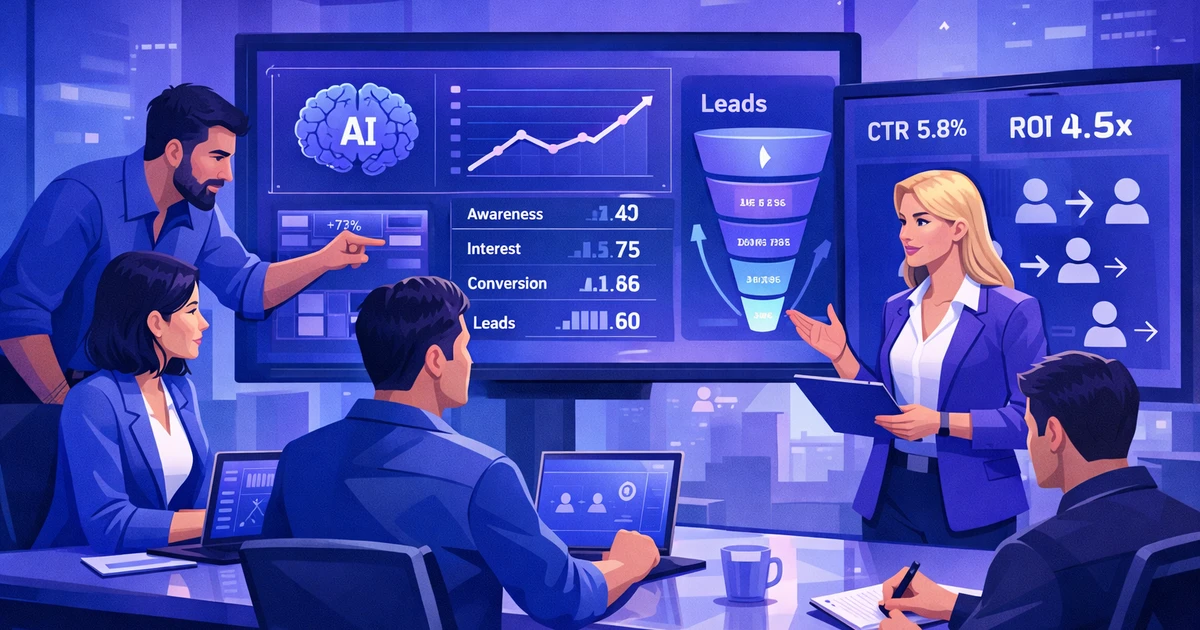
    Marketing testing is how modern teams stop guessing and start improving. If your campaigns generate traffic but not enough qualified leads, testing gives you a clear path to better decisions. It shows what works, what fails, and where optimization can create high-quality results. For business owners and marketing professionals, the goal is simple. Use data analytics, AI-powered insights, and structured experiments to improve lead generation without wasting budget. If you are building a practical foundation, start with this AI Powered Digital Marketing Test Guide for Growth.

    Key Takeaways

    • Marketing testing helps teams validate campaign ideas before scaling spend.
    • AI-powered data analytics makes testing faster, more accurate, and easier to prioritize.
    • The best results come from testing one clear variable, measuring the right metric, and applying insights across future campaigns.

    Why Marketing Testing Matters for Growth

    Marketing testing gives every campaign a learning system, helping teams compare ideas, reduce wasted spend, and find the messages, channels, and offers that create stronger lead generation outcomes. It turns digital marketing from guesswork into an optimization process built around evidence, audience behaviour, reliable tracking, and measurable business results over time.

    Many businesses launch campaigns based on instinct. They choose a headline, audience, offer, or landing page because it feels right. Sometimes it works, but often it creates uneven results.

    Marketing testing improves this process. It helps teams compare two or more campaign variations and measure which one performs better. For example, a company might test two landing page headlines. One focuses on saving time, while the other focuses on improving revenue. The winning version tells the team what the audience values more.

    This matters because digital marketing has too many moving parts for guesswork. Ads, emails, landing pages, forms, and calls to action all influence conversion rate optimization. Without structured testing, teams may spend more without knowing why leads improve or decline.

    The data supports this approach. McKinsey research on personalization found that companies growing faster generate 40 percent more revenue from personalization than slower growing peers. Testing helps teams discover which tailored messages and offers create that advantage.

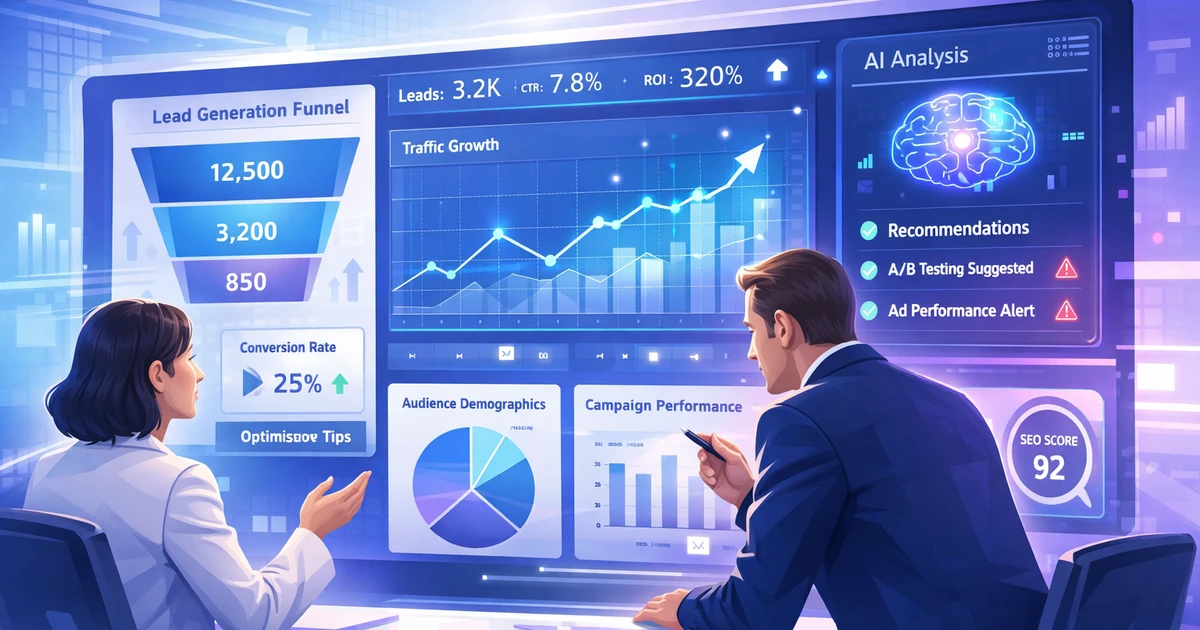
    AI-powered marketing teams gain even more value from testing. AI can process campaign data quickly, but it still needs clear inputs. When your test is structured well, AI tools can identify patterns, improve targeting, and support campaign optimization faster.

    Marketing testing for lead generation

    Marketing testing for lead generation focuses on campaign elements that directly influence how prospects become qualified opportunities. Instead of judging success by clicks alone, teams review form completions, booked calls, cost per qualified lead, and sales fit. This helps businesses improve volume, quality, and follow up decisions together with clearer evidence.

    Lead generation improves when testing connects marketing activity to business outcomes. A campaign may attract many visitors, but those visitors only matter if they become relevant leads. That is why every test should connect to a meaningful conversion action.

    For example, a B2B company may test two lead generation offers. One says, “Book a demo,” while another says, “Get a free growth audit.” The second may perform better because it feels lower risk. That insight can guide future ads, email campaigns, landing pages, and sales messages.

    Useful lead generation tests include:

    • Demo offer versus audit offer
    • Short form versus detailed form
    • Cost saving message versus revenue growth message
    • Broad audience versus intent based audience
    • Social proof near the top of the page versus near the form

    A simple test can reveal what prospects need before they convert. It may show that buyers want trust, proof, speed, or a clearer value statement.

    What to Test First and How AI-Powered Testing Improves Results

    The best first tests focus on campaign elements with direct conversion impact, including audience targeting, offer positioning, landing page copy, email subject lines, ad creatives, and call to action placement. These areas reveal useful insights faster than small design changes, especially when AI-powered systems analyze performance signals across channels.

    A common mistake is testing too many things at once. If you change the headline, image, price, audience, and call to action together, you cannot know what caused the result. Strong marketing testing isolates one variable.

    Start with the part of your funnel that has the biggest problem. If traffic is strong but leads are weak, test landing pages. If email open rates are low, test subject lines. If ads get clicks but no conversions, test the offer or audience.

    Traditional testing can be slow. Teams export reports, compare spreadsheets, and make decisions after campaigns have already spent too much. AI-powered tools shorten that cycle by reviewing campaign engagement, audience behaviour, and conversion signals at speed.

    With AI, marketers can detect patterns in real time. A platform may notice that decision makers in one industry respond better to a specific pain point. It may also identify that mobile users drop off at a form field. These insights help teams act quickly.

    AI-powered marketing testing can support:

    • Audience segmentation based on behaviour
    • Predictive lead scoring
    • Ad copy performance analysis
    • Landing page optimization
    • Budget reallocation across campaigns
    • Search and social channel comparison

    This does not mean AI replaces strategy. It improves execution. Your team still needs a clear hypothesis, a defined success metric, and a practical action plan.

    For example, your hypothesis could be: “If we replace a generic call to action with a tailor-made audit offer, qualified leads will increase.” AI can then help compare results across traffic sources and show whether the test created high-quality results.

    Teams that want deeper campaign planning can review the Marketing Test Guide for AI Powered Growth Teams. It gives a useful framework for prioritizing experiments across channels.

    Marketing testing framework for faster optimization

    A practical marketing testing framework includes a clear goal, one hypothesis, one variable, one primary metric, a defined test period, and a decision rule. This structure keeps optimization focused and helps teams avoid confusing results caused by random changes, weak tracking, small sample sizes, or incomplete campaign data.

    A strong test does not need to be complex. It needs to be clear. The goal is to make decisions with confidence.

    Use this simple framework:

    1. Define the business goal
      Decide what you want to improve. This could be lead generation, conversion rate, cost per lead, demo bookings, or email replies.

    2. Create a hypothesis
      Write one clear statement. For example: “Changing the landing page headline to focus on return on investment will increase demo bookings.”

    3. Choose one variable
      Test only one element. This could be a headline, audience, image, offer, form length, or call to action.

    4. Select one primary metric
      Choose the metric that proves success. For lead generation, this may be qualified leads, booked calls, or cost per qualified lead.

    5. Set a test duration
      Avoid stopping too early. Run the test long enough to collect meaningful data.

    6. Review and apply the insight
      Do not just declare a winner. Ask why it won and where else the insight applies.

    Google’s documentation on Analytics events and conversions is useful for understanding how to track meaningful actions. Similarly, Think with Google provides practical insights on consumer behaviour and digital marketing measurement.

    Here is a practical example. A service business wants more consultation requests. The team tests a short landing page against a longer page with proof points and testimonials. If the longer page generates more qualified leads, the insight may be that buyers need more trust before booking.

    This is where data analytics becomes valuable. It does not only show what happened. It helps explain what to improve next.

    Common Marketing Testing Mistakes and Measurement Rules

    Many marketing tests fail because teams test too many variables, use weak tracking, stop tests too early, or focus only on surface metrics like clicks. Better testing requires disciplined setup, reliable data analytics, and a focus on business outcomes such as qualified leads, revenue opportunities, and sustainable optimization.

    Testing can create misleading results when the process is loose. A campaign may appear successful because clicks increased. But if lead quality drops, the business result is weaker.

    Avoid these common mistakes:

    • Testing creative changes without tracking conversions
    • Judging success by traffic instead of qualified leads
    • Ending a test after one strong day
    • Changing campaign budgets during the test
    • Ignoring audience differences across channels
    • Running tests without a written hypothesis

    Another issue is copying competitors without validation. A competitor’s landing page may look impressive, but their audience, pricing, offer, and funnel may be different. Your testing process should be tailor-made for your market.

    Page experience can also distort test results. Google research on mobile speed found that as page load time goes from one second to three seconds, bounce probability rises by 32 percent. That means a strong message can still underperform if the landing page is slow.

    A better approach is to combine proven marketing principles with your own data. For example, you can study strong campaign examples, then test which message works for your audience. This creates high-quality results because decisions are based on evidence.

    For more context on how automation and testing work together, explore this guide on AI marketing platform vs agency. You can also review Leadmetrics services for Google Ads optimization and AI driven search engine optimization.

    Marketing testing metrics that matter

    Marketing testing metrics should show whether a campaign improves business performance, not just engagement. Clicks, impressions, and open rates can support analysis, but qualified leads, booked calls, cost per qualified lead, conversion rate, and pipeline value provide stronger evidence for optimization decisions across paid, organic, and email channels.

    The real value of data analytics comes from choosing metrics that match the goal. If your goal is awareness, reach and engagement may matter. If your goal is lead generation, the most important metrics should connect to lead quality and sales potential.

    For example, an ad variation may produce a lower click through rate but higher quality leads. If those leads book more calls, the campaign may still be the better option. This is why marketing testing should never depend on one surface metric alone.

    Useful measurement questions include:

    • Did the test improve qualified lead volume?
    • Did cost per qualified lead decrease?
    • Did conversion rate improve without hurting lead quality?
    • Did the winning message work across more than one channel?
    • Did the test reveal a useful audience insight?

    When teams answer these questions, testing becomes more than reporting. It becomes a reliable optimization process.

    Turning Test Results Into Strategy

    The real value of marketing testing comes after the test ends, when teams translate results into repeatable strategy. Winning ideas should influence future campaigns, while losing ideas should reveal useful lessons about audience intent, friction points, messaging gaps, and lead generation barriers that need better optimization.

    A test is not only about finding a winner. It is about creating a learning loop. Each test should improve your next campaign.

    After every test, document five things:

    • What you tested
    • Why you tested it
    • What metric you measured
    • What result you saw
    • What action you will take next

    For example, if a trust focused landing page improves conversion rate optimization, you may decide to add testimonials to paid ads, email sequences, and sales decks. One insight can improve multiple channels.

    This is where AI-powered systems become especially useful. They can store testing history, compare campaign patterns, and recommend future experiments. Over time, your marketing becomes more efficient because every test adds to your data analytics foundation.

    A practical testing roadmap might look like this:

    • Month one: Test landing page headline and primary offer
    • Month two: Test paid ad audience segments
    • Month three: Test email follow up timing
    • Month four: Test lead qualification form fields
    • Month five: Test sales call booking messages

    This process turns optimization into a habit. It also helps leadership see why marketing decisions are being made. Instead of saying, “We think this will work,” your team can say, “The data shows this audience responds better to this offer.”

    For businesses expanding tests into full funnel demand generation, this guide to AI lead generation for businesses is a stronger next step than isolated campaign experiments. Leadmetrics also offers an audit that can help identify campaign gaps and testing opportunities.

    Conclusion

    Marketing testing helps businesses make smarter decisions, improve lead generation, and reduce wasted spend. When you combine a clear testing framework with AI-powered data analytics, every campaign becomes a source of learning. Start with one goal, test one variable, measure one meaningful metric, and apply the insight across your digital marketing strategy. Over time, this creates better optimization, stronger targeting, and high-quality results. If you want a tailor-made approach to campaign improvement, you can book a demo with Leadmetrics and explore how AI-powered marketing can support your growth.

  • Test Demo Strategy Best Practices Complete List 2026

    Test Demo Strategy Best Practices Complete List 2026

    Test demo planning often decides whether a product idea becomes a confident launch or a costly guess. Many teams run demos too late, collect vague feedback, and then wonder why conversions stall. A structured test demo helps you validate your message, user flow, and value promise before you commit larger resources. In this guide, you will learn how to plan, run, measure, and improve a demo so it produces practical insight, not just polite opinions. It should also fit within a broader testing plan that supports repeatable product learning.

    Key Takeaways:

    • A test demo works best when it has one clear goal, one target audience, and one measurable outcome.
    • Strong demo testing combines user feedback, behavioural data, and conversion signals.
    • A simple repeatable process helps teams improve faster, especially when linked to conversion focused test strategy.

    Why Every Test Demo Needs a Clear Goal

    A focused goal turns a test demo from a casual walkthrough into a useful validation tool. When your team knows exactly what it wants to learn, every question, screen, metric, and follow up action becomes easier to design. This keeps feedback specific, reduces interpretation bias, and helps decision makers act with more confidence.

    A demo without a goal usually creates noise. People may like the design, understand the feature, or enjoy the presentation, yet none of that proves the experience will convert. Start by choosing one main question. For example, ask whether prospects understand the core value within the first minute.

    You can also test whether users can complete a key action without help. This keeps the session focused. It also prevents your team from treating every comment as equal. A practical goal gives feedback structure and protects the demo from becoming a general opinion survey.

    Strong goals usually fit one of these categories:

    • Message clarity
    • Feature comprehension
    • User flow confidence
    • Pricing or offer response
    • Conversion intent

    For example, a SaaS team may run a test demo to learn whether trial users understand the benefit of an automation feature. If users keep asking what problem it solves, the issue may be messaging, not product quality.

    How to Build a Test Demo Checklist

    A good checklist keeps your test demo consistent across sessions, so each participant sees a similar experience and gives feedback on the same core elements. This makes patterns easier to spot, supports cleaner comparison, and helps teams avoid last minute improvisation that can create confusing results and weaker product decisions.

    Your checklist should cover the full session, not just the product screens. Include the audience profile, the opening script, the tasks, the questions, and the metrics you will review later. If you need deeper planning support, this guide on Test Strategy Best Practices for Product Conversions can help connect demo work with measurable conversion outcomes.

    A useful checklist can include:

    • Define the target participant
    • Confirm the main learning goal
    • Prepare the demo path
    • Write three neutral questions
    • Decide what success looks like
    • Record friction points
    • Review behavioural data
    • Choose the next action

    Keep questions neutral. Instead of asking, “Did you like this feature?” ask, “What would you expect to happen next?” Neutral questions reveal assumptions. They also reduce the chance that users give answers they think your team wants to hear.

    A script should guide the conversation without leading the participant toward a preferred answer. Start by explaining that you are testing the experience, not the participant. This lowers pressure and encourages honest reactions. Then ask the person to think aloud while moving through the demo.

    A simple script might sound like this:

    • “Please share what you notice as you go.”
    • “What do you think this screen is asking you to do?”
    • “What feels clear or unclear right now?”
    • “What would make you more likely to continue?”

    These questions work because they focus on behaviour and interpretation. They also help you separate design preference from decision friction. For internal knowledge sharing, a structured resource such as the Readme Blog guide can support clearer notes, handoffs, and repeatable learning after each test session.

    For external best practice, Nielsen Norman Group offers helpful usability testing guidance that explains why observation matters as much as what users say. That principle applies directly to demos. Watch where people pause, reread, scroll back, or ask for reassurance. Those moments often show where the experience needs improvement.

    What to Measure After a Test Demo

    The value of a test demo depends on how clearly you measure what happened after the session. Feedback alone can be misleading, especially when participants are polite. By combining comments with behavioural signals, your team can understand whether users truly understood, trusted, and wanted the offer enough to take the next step.

    Measurement should connect directly to the original goal. If your goal was message clarity, track how many users can explain the value in their own words. If your goal was conversion intent, track whether users ask about pricing, next steps, or implementation.

    If your goal was usability, track completion rate and hesitation points. This gives your team evidence that supports better product, marketing, and sales decisions.

    Useful metrics include:

    • Task completion rate
    • Time to first meaningful action
    • Number of clarification questions
    • Confidence score after each step
    • Objection themes
    • Stated likelihood to continue
    • Follow up action taken

    Do not rely on positive comments alone. A participant may say the demo looks good but still fail to understand why the product matters. Look for proof of comprehension. When someone can describe the problem, the solution, and the next step without help, your test demo is doing its job.

    Many teams weaken their results by testing too many ideas, speaking too much, or measuring the wrong signals. The most common mistake is overexplaining. If the presenter has to explain every screen, the demo is not proving that the experience works. It is proving that the presenter is skilled.

    Another mistake is mixing audiences. Feedback from an expert user, a new prospect, and an internal stakeholder will not mean the same thing. Segment participants so patterns are easier to interpret.

    Avoid these issues:

    • Testing several value propositions at once
    • Asking leading questions
    • Ignoring silent confusion
    • Treating compliments as conversion intent
    • Changing the script between every session
    • Ending without a clear next decision

    Analytics can also support your review. Google’s documentation on event measurement explains how teams can track meaningful interactions. For demo pages, this might include button clicks, form starts, video completion, or pricing page visits.

    Turning Test Demo Feedback Into Action

    Feedback only matters when it changes what your team does next. After each test demo, group insights by priority, effort, and expected impact. This helps teams avoid endless discussion, choose practical improvements, and make the next version of the demo sharper, clearer, and easier for prospects to understand.

    Start your review by separating observations from recommendations. An observation might be, “Four out of six users missed the setup button.” A recommendation might be, “Move the setup button closer to the main call to action.” This distinction keeps the team honest.

    Then group findings into three action types:

    • Fix now
    • Test again
    • Save for later

    “Fix now” items are obvious blockers. “Test again” items need more evidence. “Save for later” items may matter, but they do not affect the main goal yet.

    A practical test demo cycle can be simple. Run five sessions, identify the top three friction points, make changes, then run another smaller round. This creates momentum without overcomplicating the process.

    The goal is not to create a perfect demo in one round. The goal is to reduce uncertainty with every version. When your team keeps the same test structure, compares evidence carefully, and improves one priority area at a time, the demo becomes a stronger tool for product validation.

    Conclusion

    A strong test demo gives your team a safer way to validate ideas before launch. It clarifies whether users understand the message, trust the flow, and feel ready to act. Start with one goal, use a consistent checklist, ask neutral questions, and measure behaviour alongside feedback. Then turn findings into practical improvements. If your team treats each demo as a learning cycle, every test becomes a step toward stronger conversions, better product decisions, and a clearer customer experience. To deepen the process, connect each demo to a conversion focused test strategy.

  • AI Powered Digital Marketing Test Guide for Growth

    AI Powered Digital Marketing Test Guide for Growth

    AI powered digital marketing is no longer a future concept for growth teams. It is now a practical way to test campaigns faster, improve lead generation, and make better decisions with data analytics. Many business owners still run marketing based on guesswork, then wonder why results fluctuate. This guide explains how to build a simple testing system that supports optimization, improves efficiency, and delivers high quality results through tailor made strategy. For a deeper planning framework, start with this marketing test guide for AI powered growth teams.

    Key Takeaways fgdgdfgdfgdfg dfgfd gggg

    asdasdad asd asd asda

    • AI powered testing helps businesses replace assumptions with measurable insights.
    • Strong data analytics improves lead generation by showing what actually drives action.
    • A tailor made testing framework supports better optimization across search, social, ads, and content.

    Why AI Powered Digital Marketing Testing Matters

    AI powered digital marketing testing matters because it turns campaign activity into measurable learning. Instead of guessing which message, channel, or offer works, teams can use data analytics to identify patterns, reduce wasted spend, and improve lead generation with a disciplined optimization process that supports high quality results over time.

    Marketing without testing creates noise. You may publish content, run ads, and post on social media, but still not know which activity drives qualified leads. Testing gives every campaign a clear purpose.

    AI powered platforms improve this process by spotting trends across channels. For example, an ad campaign may generate clicks, but the landing page may fail to convert. Data analytics can show where users drop off, which message works best, and which audience segment deserves more budget.

    The goal is not to test everything at once. The goal is to test the right variable, learn quickly, then apply optimization across the next campaign.

    According to Google Think with Google, brands that use measurement and experimentation can make smarter decisions across the customer journey. That matters because modern buyers rarely convert after one touchpoint.

    How AI Powered Digital Marketing Connects Signals

    AI powered digital marketing connects signals from search, paid ads, social engagement, landing pages, and customer actions. This gives teams a clearer view of what motivates buyers. When those signals are measured together, marketers can make faster decisions, improve lead generation, and create campaigns that feel more relevant to each audience.

    Search tells you what people want. Ads show which messages earn immediate action. Social media reveals what captures attention and builds trust. Together, these channels create a complete growth picture.

    An AI powered workflow can connect these insights. Search data may show that customers ask about automation costs. Paid ads can then test cost focused messages. Social posts can answer common objections. Landing pages can include proof points that support high quality results.

    Building a Tailor Made Testing Framework

    A tailor made testing framework starts with a clear business goal, then connects each campaign test to one measurable outcome. This keeps teams focused, prevents random experiments, and helps marketing professionals understand which changes support better lead generation, stronger engagement, and long term optimization across every active channel.

    A strong framework begins with one question. What do we need to improve first?

    For many businesses, the answer is lead generation. For others, it may be cost per lead, search visibility, social engagement, or demo bookings. Once the goal is clear, choose one test variable.

    Common variables include:

    • Headline message
    • Landing page layout
    • Call to action text
    • Audience segment
    • Ad creative
    • Email subject line
    • Search intent focus
    • Offer type

    Do not test several major changes at once. If performance improves, you will not know which change caused it. A better approach is to run focused experiments with clear success criteria.

    For example, a company may test two landing page headlines. One headline focuses on cost savings. The other focuses on faster growth. If the growth headline drives more form submissions, the team can apply that insight to ads, emails, and website copy.

    Leadmetrics V3 supports this mindset through tailor made digital marketing strategies that connect automation with business goals. The value comes from aligning AI powered execution with a clear strategy, not from automating random activity.

    AI Powered Digital Marketing Test Variables

    AI powered digital marketing works best when each test variable has a clear reason behind it. A headline test should connect to message clarity. A call to action test should connect to conversion intent. This simple discipline makes optimization easier and gives teams insights they can reuse across campaigns.

    A good test begins with a hypothesis. For example, “If we focus the landing page headline on faster growth, more visitors will request a demo.” That statement gives the team a clear direction.

    Then the team needs one success metric. Form submissions, qualified enquiries, booked calls, or cost per lead may all work. The right choice depends on the business goal. This prevents teams from celebrating clicks when the real goal is qualified lead generation.

    Using Data Analytics for Lead Generation Optimization

    Data analytics turns campaign activity into useful insight by showing which channels, messages, and user actions contribute to qualified leads. When teams analyze this information consistently, they can improve lead generation, reduce waste, and focus resources on the campaigns most likely to produce high quality results.

    Data analytics should answer simple business questions. Which traffic source produces the best leads? Which page converts visitors into enquiries? Which audience needs more education before taking action?

    Without this visibility, teams often reward the wrong metrics. A social campaign may look successful because it earns impressions. Yet it may produce few qualified leads. A search campaign may bring fewer visitors, but those visitors may convert at a higher rate.

    Useful metrics include:

    • Conversion rate
    • Cost per lead
    • Lead quality
    • Form completion rate
    • Time on page
    • Assisted conversions
    • Return on ad spend
    • Search ranking movement

    The best teams combine platform data with customer relationship data. This helps connect marketing activity to actual revenue potential. It also improves optimization because teams can identify not only what gets leads, but what gets valuable leads.

    For deeper channel performance, businesses can review AI driven search engine optimization and connect search insights with content planning. Search data often reveals buyer intent earlier than paid campaigns.

    Research from McKinsey has shown that advanced analytics can improve marketing and sales decision making. The lesson is clear. Better data creates better actions.

    AI Powered Digital Marketing Metrics That Matter

    AI powered digital marketing metrics should connect activity to business outcomes, not just campaign visibility. Impressions and clicks can be useful, but they rarely tell the full story. Teams should focus on conversion quality, lead source performance, and revenue potential to guide smarter optimization decisions.

    The most useful metrics are the ones that help you decide what to do next. If one audience brings low cost leads but poor sales outcomes, more budget may not help. If another channel brings fewer but stronger leads, it may deserve more investment.

    This is why lead quality matters. A campaign that produces ten qualified enquiries can be more valuable than one that produces one hundred weak contacts. Data analytics gives teams the evidence to choose better campaigns, not just bigger numbers.

    Applying Tests Across Search, Ads, and Social

    AI powered digital marketing works best when testing is applied across the full customer journey, not just one channel. Search, ads, and social all provide different signals, and combining those signals helps teams create stronger campaigns, improve optimization, and build a more consistent lead generation engine.

    Search tells you what buyers are actively researching. Ads reveal which messages earn fast attention. Social media helps teams understand objections, interests, and trust signals. When these channels share learning, every campaign becomes stronger.

    A simple cross channel testing model looks like this:

    • Use search data to identify demand.
    • Use ads to test offer and message speed.
    • Use social media to build trust and education.
    • Use landing pages to convert interest into leads.
    • Use data analytics to improve each stage.

    Businesses that want stronger paid performance can explore Google Ads optimization. Teams focused on visibility across modern discovery platforms can also review AI search optimization.

    The key is consistency. AI powered systems work best when every campaign uses shared goals, shared data, and shared learning.

    Common Mistakes and Your First AI Powered Marketing Test

    Many teams fail to get high quality results because they test without a clear hypothesis, stop experiments too early, or measure only surface level activity. Better testing requires patience, clean data, and a disciplined process that connects each experiment to lead generation and business outcomes.

    The most common mistake is testing too many changes at once. A new headline, new design, new offer, and new audience may seem exciting. But if results change, the team cannot identify the cause.

    Another mistake is ending tests too quickly. Small sample sizes can create misleading conclusions. A campaign may perform well for two days, then decline once a wider audience sees it. Strong optimization needs enough data to support the decision.

    Teams also rely too much on vanity metrics. Clicks, likes, and impressions matter only when they support the next business action. A useful test should connect to a meaningful outcome.

    Avoid these mistakes:

    • Testing without a clear goal
    • Choosing weak success metrics
    • Ignoring lead quality
    • Changing campaigns too often
    • Comparing different time periods unfairly
    • Forgetting mobile user behavior
    • Failing to document learning

    Documentation is especially important. Every test should create knowledge the team can use later. Over time, this becomes a growth library. It helps new campaigns start stronger and reduces repeated mistakes.

    If your current campaigns lack clarity, an AI marketing audit can help identify where data, targeting, and conversion paths need improvement.

    Start with a campaign that already has traffic. Testing a page or ad with no activity will not produce useful insight. Then choose one improvement area.

    Here is a simple starting plan:

    • Pick one goal, such as more demo requests.
    • Select one asset, such as a landing page.
    • Choose one variable, such as the call to action.
    • Set one metric, such as form submissions.
    • Run the test until you have enough data.
    • Review lead quality, not only volume.
    • Apply the learning to the next campaign.

    For example, a business may test “Book a demo” against “Get your growth audit.” The first option may appeal to buyers ready to speak. The second may attract people still exploring. Data analytics will show which phrase brings stronger leads.

    This is how AI powered digital marketing becomes practical. It does not replace strategy. It strengthens strategy by making every decision more informed.

    Conclusion

    AI powered digital marketing gives business owners and marketing professionals a smarter way to test, learn, and grow. The strongest results come from clear goals, tailor made strategy, consistent data analytics, and disciplined optimization. Start small with one focused experiment, then use each result to improve lead generation across search, ads, social, and landing pages. When your team is ready to connect testing with campaign execution, you can book a demo with Leadmetrics and explore how AI powered optimization supports better growth decisions.

  • AI Powered Digital Marketing Test Guide for Growth

    AI Powered Digital Marketing Test Guide for Growth

    AI powered digital marketing is no longer a future concept for growth teams. It is now a practical way to test campaigns faster, improve lead generation, and make better decisions with data analytics. Many business owners still run marketing based on guesswork, then wonder why results fluctuate. This guide explains how to build a simple testing system that supports optimization, improves efficiency, and delivers high quality results through tailor made strategy. For a deeper planning framework, start with this marketing test guide for AI powered growth teams.

    Key Takeaways fgdgdfgdfgdfg dfgfd

    asdasdad asd asd asda

    • AI powered testing helps businesses replace assumptions with measurable insights.
    • Strong data analytics improves lead generation by showing what actually drives action.
    • A tailor made testing framework supports better optimization across search, social, ads, and content.

    Why AI Powered Digital Marketing Testing Matters

    AI powered digital marketing testing matters because it turns campaign activity into measurable learning. Instead of guessing which message, channel, or offer works, teams can use data analytics to identify patterns, reduce wasted spend, and improve lead generation with a disciplined optimization process that supports high quality results over time.

    Marketing without testing creates noise. You may publish content, run ads, and post on social media, but still not know which activity drives qualified leads. Testing gives every campaign a clear purpose.

    AI powered platforms improve this process by spotting trends across channels. For example, an ad campaign may generate clicks, but the landing page may fail to convert. Data analytics can show where users drop off, which message works best, and which audience segment deserves more budget.

    The goal is not to test everything at once. The goal is to test the right variable, learn quickly, then apply optimization across the next campaign.

    According to Google Think with Google, brands that use measurement and experimentation can make smarter decisions across the customer journey. That matters because modern buyers rarely convert after one touchpoint.

    How AI Powered Digital Marketing Connects Signals

    AI powered digital marketing connects signals from search, paid ads, social engagement, landing pages, and customer actions. This gives teams a clearer view of what motivates buyers. When those signals are measured together, marketers can make faster decisions, improve lead generation, and create campaigns that feel more relevant to each audience.

    Search tells you what people want. Ads show which messages earn immediate action. Social media reveals what captures attention and builds trust. Together, these channels create a complete growth picture.

    An AI powered workflow can connect these insights. Search data may show that customers ask about automation costs. Paid ads can then test cost focused messages. Social posts can answer common objections. Landing pages can include proof points that support high quality results.

    Building a Tailor Made Testing Framework

    A tailor made testing framework starts with a clear business goal, then connects each campaign test to one measurable outcome. This keeps teams focused, prevents random experiments, and helps marketing professionals understand which changes support better lead generation, stronger engagement, and long term optimization across every active channel.

    A strong framework begins with one question. What do we need to improve first?

    For many businesses, the answer is lead generation. For others, it may be cost per lead, search visibility, social engagement, or demo bookings. Once the goal is clear, choose one test variable.

    Common variables include:

    • Headline message
    • Landing page layout
    • Call to action text
    • Audience segment
    • Ad creative
    • Email subject line
    • Search intent focus
    • Offer type

    Do not test several major changes at once. If performance improves, you will not know which change caused it. A better approach is to run focused experiments with clear success criteria.

    For example, a company may test two landing page headlines. One headline focuses on cost savings. The other focuses on faster growth. If the growth headline drives more form submissions, the team can apply that insight to ads, emails, and website copy.

    Leadmetrics V3 supports this mindset through tailor made digital marketing strategies that connect automation with business goals. The value comes from aligning AI powered execution with a clear strategy, not from automating random activity.

    AI Powered Digital Marketing Test Variables

    AI powered digital marketing works best when each test variable has a clear reason behind it. A headline test should connect to message clarity. A call to action test should connect to conversion intent. This simple discipline makes optimization easier and gives teams insights they can reuse across campaigns.

    A good test begins with a hypothesis. For example, “If we focus the landing page headline on faster growth, more visitors will request a demo.” That statement gives the team a clear direction.

    Then the team needs one success metric. Form submissions, qualified enquiries, booked calls, or cost per lead may all work. The right choice depends on the business goal. This prevents teams from celebrating clicks when the real goal is qualified lead generation.

    Using Data Analytics for Lead Generation Optimization

    Data analytics turns campaign activity into useful insight by showing which channels, messages, and user actions contribute to qualified leads. When teams analyze this information consistently, they can improve lead generation, reduce waste, and focus resources on the campaigns most likely to produce high quality results.

    Data analytics should answer simple business questions. Which traffic source produces the best leads? Which page converts visitors into enquiries? Which audience needs more education before taking action?

    Without this visibility, teams often reward the wrong metrics. A social campaign may look successful because it earns impressions. Yet it may produce few qualified leads. A search campaign may bring fewer visitors, but those visitors may convert at a higher rate.

    Useful metrics include:

    • Conversion rate
    • Cost per lead
    • Lead quality
    • Form completion rate
    • Time on page
    • Assisted conversions
    • Return on ad spend
    • Search ranking movement

    The best teams combine platform data with customer relationship data. This helps connect marketing activity to actual revenue potential. It also improves optimization because teams can identify not only what gets leads, but what gets valuable leads.

    For deeper channel performance, businesses can review AI driven search engine optimization and connect search insights with content planning. Search data often reveals buyer intent earlier than paid campaigns.

    Research from McKinsey has shown that advanced analytics can improve marketing and sales decision making. The lesson is clear. Better data creates better actions.

    AI Powered Digital Marketing Metrics That Matter

    AI powered digital marketing metrics should connect activity to business outcomes, not just campaign visibility. Impressions and clicks can be useful, but they rarely tell the full story. Teams should focus on conversion quality, lead source performance, and revenue potential to guide smarter optimization decisions.

    The most useful metrics are the ones that help you decide what to do next. If one audience brings low cost leads but poor sales outcomes, more budget may not help. If another channel brings fewer but stronger leads, it may deserve more investment.

    This is why lead quality matters. A campaign that produces ten qualified enquiries can be more valuable than one that produces one hundred weak contacts. Data analytics gives teams the evidence to choose better campaigns, not just bigger numbers.

    Applying Tests Across Search, Ads, and Social

    AI powered digital marketing works best when testing is applied across the full customer journey, not just one channel. Search, ads, and social all provide different signals, and combining those signals helps teams create stronger campaigns, improve optimization, and build a more consistent lead generation engine.

    Search tells you what buyers are actively researching. Ads reveal which messages earn fast attention. Social media helps teams understand objections, interests, and trust signals. When these channels share learning, every campaign becomes stronger.

    A simple cross channel testing model looks like this:

    • Use search data to identify demand.
    • Use ads to test offer and message speed.
    • Use social media to build trust and education.
    • Use landing pages to convert interest into leads.
    • Use data analytics to improve each stage.

    Businesses that want stronger paid performance can explore Google Ads optimization. Teams focused on visibility across modern discovery platforms can also review AI search optimization.

    The key is consistency. AI powered systems work best when every campaign uses shared goals, shared data, and shared learning.

    Common Mistakes and Your First AI Powered Marketing Test

    Many teams fail to get high quality results because they test without a clear hypothesis, stop experiments too early, or measure only surface level activity. Better testing requires patience, clean data, and a disciplined process that connects each experiment to lead generation and business outcomes.

    The most common mistake is testing too many changes at once. A new headline, new design, new offer, and new audience may seem exciting. But if results change, the team cannot identify the cause.

    Another mistake is ending tests too quickly. Small sample sizes can create misleading conclusions. A campaign may perform well for two days, then decline once a wider audience sees it. Strong optimization needs enough data to support the decision.

    Teams also rely too much on vanity metrics. Clicks, likes, and impressions matter only when they support the next business action. A useful test should connect to a meaningful outcome.

    Avoid these mistakes:

    • Testing without a clear goal
    • Choosing weak success metrics
    • Ignoring lead quality
    • Changing campaigns too often
    • Comparing different time periods unfairly
    • Forgetting mobile user behavior
    • Failing to document learning

    Documentation is especially important. Every test should create knowledge the team can use later. Over time, this becomes a growth library. It helps new campaigns start stronger and reduces repeated mistakes.

    If your current campaigns lack clarity, an AI marketing audit can help identify where data, targeting, and conversion paths need improvement.

    Start with a campaign that already has traffic. Testing a page or ad with no activity will not produce useful insight. Then choose one improvement area.

    Here is a simple starting plan:

    • Pick one goal, such as more demo requests.
    • Select one asset, such as a landing page.
    • Choose one variable, such as the call to action.
    • Set one metric, such as form submissions.
    • Run the test until you have enough data.
    • Review lead quality, not only volume.
    • Apply the learning to the next campaign.

    For example, a business may test “Book a demo” against “Get your growth audit.” The first option may appeal to buyers ready to speak. The second may attract people still exploring. Data analytics will show which phrase brings stronger leads.

    This is how AI powered digital marketing becomes practical. It does not replace strategy. It strengthens strategy by making every decision more informed.

    Conclusion

    AI powered digital marketing gives business owners and marketing professionals a smarter way to test, learn, and grow. The strongest results come from clear goals, tailor made strategy, consistent data analytics, and disciplined optimization. Start small with one focused experiment, then use each result to improve lead generation across search, ads, social, and landing pages. When your team is ready to connect testing with campaign execution, you can book a demo with Leadmetrics and explore how AI powered optimization supports better growth decisions.

  • AI Powered Digital Marketing Test Guide for Growth

    AI Powered Digital Marketing Test Guide for Growth

    AI powered digital marketing is no longer a future concept for growth teams. It is now a practical way to test campaigns faster, improve lead generation, and make better decisions with data analytics. Many business owners still run marketing based on guesswork, then wonder why results fluctuate. This guide explains how to build a simple testing system that supports optimization, improves efficiency, and delivers high quality results through tailor made strategy. For a deeper planning framework, start with this marketing test guide for AI powered growth teams.

    Key Takeaways

    asdasdad asd asd asda

    • AI powered testing helps businesses replace assumptions with measurable insights.
    • Strong data analytics improves lead generation by showing what actually drives action.
    • A tailor made testing framework supports better optimization across search, social, ads, and content.

    Why AI Powered Digital Marketing Testing Matters

    AI powered digital marketing testing matters because it turns campaign activity into measurable learning. Instead of guessing which message, channel, or offer works, teams can use data analytics to identify patterns, reduce wasted spend, and improve lead generation with a disciplined optimization process that supports high quality results over time.

    Marketing without testing creates noise. You may publish content, run ads, and post on social media, but still not know which activity drives qualified leads. Testing gives every campaign a clear purpose.

    AI powered platforms improve this process by spotting trends across channels. For example, an ad campaign may generate clicks, but the landing page may fail to convert. Data analytics can show where users drop off, which message works best, and which audience segment deserves more budget.

    The goal is not to test everything at once. The goal is to test the right variable, learn quickly, then apply optimization across the next campaign.

    According to Google Think with Google, brands that use measurement and experimentation can make smarter decisions across the customer journey. That matters because modern buyers rarely convert after one touchpoint.

    How AI Powered Digital Marketing Connects Signals

    AI powered digital marketing connects signals from search, paid ads, social engagement, landing pages, and customer actions. This gives teams a clearer view of what motivates buyers. When those signals are measured together, marketers can make faster decisions, improve lead generation, and create campaigns that feel more relevant to each audience.

    Search tells you what people want. Ads show which messages earn immediate action. Social media reveals what captures attention and builds trust. Together, these channels create a complete growth picture.

    An AI powered workflow can connect these insights. Search data may show that customers ask about automation costs. Paid ads can then test cost focused messages. Social posts can answer common objections. Landing pages can include proof points that support high quality results.

    Building a Tailor Made Testing Framework

    A tailor made testing framework starts with a clear business goal, then connects each campaign test to one measurable outcome. This keeps teams focused, prevents random experiments, and helps marketing professionals understand which changes support better lead generation, stronger engagement, and long term optimization across every active channel.

    A strong framework begins with one question. What do we need to improve first?

    For many businesses, the answer is lead generation. For others, it may be cost per lead, search visibility, social engagement, or demo bookings. Once the goal is clear, choose one test variable.

    Common variables include:

    • Headline message
    • Landing page layout
    • Call to action text
    • Audience segment
    • Ad creative
    • Email subject line
    • Search intent focus
    • Offer type

    Do not test several major changes at once. If performance improves, you will not know which change caused it. A better approach is to run focused experiments with clear success criteria.

    For example, a company may test two landing page headlines. One headline focuses on cost savings. The other focuses on faster growth. If the growth headline drives more form submissions, the team can apply that insight to ads, emails, and website copy.

    Leadmetrics V3 supports this mindset through tailor made digital marketing strategies that connect automation with business goals. The value comes from aligning AI powered execution with a clear strategy, not from automating random activity.

    AI Powered Digital Marketing Test Variables

    AI powered digital marketing works best when each test variable has a clear reason behind it. A headline test should connect to message clarity. A call to action test should connect to conversion intent. This simple discipline makes optimization easier and gives teams insights they can reuse across campaigns.

    A good test begins with a hypothesis. For example, “If we focus the landing page headline on faster growth, more visitors will request a demo.” That statement gives the team a clear direction.

    Then the team needs one success metric. Form submissions, qualified enquiries, booked calls, or cost per lead may all work. The right choice depends on the business goal. This prevents teams from celebrating clicks when the real goal is qualified lead generation.

    Using Data Analytics for Lead Generation Optimization

    Data analytics turns campaign activity into useful insight by showing which channels, messages, and user actions contribute to qualified leads. When teams analyze this information consistently, they can improve lead generation, reduce waste, and focus resources on the campaigns most likely to produce high quality results.

    Data analytics should answer simple business questions. Which traffic source produces the best leads? Which page converts visitors into enquiries? Which audience needs more education before taking action?

    Without this visibility, teams often reward the wrong metrics. A social campaign may look successful because it earns impressions. Yet it may produce few qualified leads. A search campaign may bring fewer visitors, but those visitors may convert at a higher rate.

    Useful metrics include:

    • Conversion rate
    • Cost per lead
    • Lead quality
    • Form completion rate
    • Time on page
    • Assisted conversions
    • Return on ad spend
    • Search ranking movement

    The best teams combine platform data with customer relationship data. This helps connect marketing activity to actual revenue potential. It also improves optimization because teams can identify not only what gets leads, but what gets valuable leads.

    For deeper channel performance, businesses can review AI driven search engine optimization and connect search insights with content planning. Search data often reveals buyer intent earlier than paid campaigns.

    Research from McKinsey has shown that advanced analytics can improve marketing and sales decision making. The lesson is clear. Better data creates better actions.

    AI Powered Digital Marketing Metrics That Matter

    AI powered digital marketing metrics should connect activity to business outcomes, not just campaign visibility. Impressions and clicks can be useful, but they rarely tell the full story. Teams should focus on conversion quality, lead source performance, and revenue potential to guide smarter optimization decisions.

    The most useful metrics are the ones that help you decide what to do next. If one audience brings low cost leads but poor sales outcomes, more budget may not help. If another channel brings fewer but stronger leads, it may deserve more investment.

    This is why lead quality matters. A campaign that produces ten qualified enquiries can be more valuable than one that produces one hundred weak contacts. Data analytics gives teams the evidence to choose better campaigns, not just bigger numbers.

    Applying Tests Across Search, Ads, and Social

    AI powered digital marketing works best when testing is applied across the full customer journey, not just one channel. Search, ads, and social all provide different signals, and combining those signals helps teams create stronger campaigns, improve optimization, and build a more consistent lead generation engine.

    Search tells you what buyers are actively researching. Ads reveal which messages earn fast attention. Social media helps teams understand objections, interests, and trust signals. When these channels share learning, every campaign becomes stronger.

    A simple cross channel testing model looks like this:

    • Use search data to identify demand.
    • Use ads to test offer and message speed.
    • Use social media to build trust and education.
    • Use landing pages to convert interest into leads.
    • Use data analytics to improve each stage.

    Businesses that want stronger paid performance can explore Google Ads optimization. Teams focused on visibility across modern discovery platforms can also review AI search optimization.

    The key is consistency. AI powered systems work best when every campaign uses shared goals, shared data, and shared learning.

    Common Mistakes and Your First AI Powered Marketing Test

    Many teams fail to get high quality results because they test without a clear hypothesis, stop experiments too early, or measure only surface level activity. Better testing requires patience, clean data, and a disciplined process that connects each experiment to lead generation and business outcomes.

    The most common mistake is testing too many changes at once. A new headline, new design, new offer, and new audience may seem exciting. But if results change, the team cannot identify the cause.

    Another mistake is ending tests too quickly. Small sample sizes can create misleading conclusions. A campaign may perform well for two days, then decline once a wider audience sees it. Strong optimization needs enough data to support the decision.

    Teams also rely too much on vanity metrics. Clicks, likes, and impressions matter only when they support the next business action. A useful test should connect to a meaningful outcome.

    Avoid these mistakes:

    • Testing without a clear goal
    • Choosing weak success metrics
    • Ignoring lead quality
    • Changing campaigns too often
    • Comparing different time periods unfairly
    • Forgetting mobile user behavior
    • Failing to document learning

    Documentation is especially important. Every test should create knowledge the team can use later. Over time, this becomes a growth library. It helps new campaigns start stronger and reduces repeated mistakes.

    If your current campaigns lack clarity, an AI marketing audit can help identify where data, targeting, and conversion paths need improvement.

    Start with a campaign that already has traffic. Testing a page or ad with no activity will not produce useful insight. Then choose one improvement area.

    Here is a simple starting plan:

    • Pick one goal, such as more demo requests.
    • Select one asset, such as a landing page.
    • Choose one variable, such as the call to action.
    • Set one metric, such as form submissions.
    • Run the test until you have enough data.
    • Review lead quality, not only volume.
    • Apply the learning to the next campaign.

    For example, a business may test “Book a demo” against “Get your growth audit.” The first option may appeal to buyers ready to speak. The second may attract people still exploring. Data analytics will show which phrase brings stronger leads.

    This is how AI powered digital marketing becomes practical. It does not replace strategy. It strengthens strategy by making every decision more informed.

    Conclusion

    AI powered digital marketing gives business owners and marketing professionals a smarter way to test, learn, and grow. The strongest results come from clear goals, tailor made strategy, consistent data analytics, and disciplined optimization. Start small with one focused experiment, then use each result to improve lead generation across search, ads, social, and landing pages. When your team is ready to connect testing with campaign execution, you can book a demo with Leadmetrics and explore how AI powered optimization supports better growth decisions.

  • dadasdas dasda sdsad

    dadasdas dasda sdsad

    eqweqweqwecqwev eqwevqweqweqw

  • fgdfg dgd fgfg

    fgdfg dgd fgfg

    dfg dfg df dfg dfg dgh sfgh seth dgh h

  • RAM Complete Guide for Faster Business Performance

    RAM Complete Guide for Faster Business Performance

    RAM decides how quickly your computer can work with active tasks. If your browser, CRM, spreadsheets, design tools, or AI powered marketing software feel slow, memory may be the hidden bottleneck. For business owners and marketing professionals, RAM is not just a technical specification. It affects workflow speed, data analytics, lead generation, campaign reporting, and daily productivity. This guide explains what RAM does, how much you need, and how to plan smart upgrades that support optimization and high quality results.

    Key takeaways

    555 Mono Stable Circuit Complete Beginner Guide — blog post header image

    • RAM stores active work so your system can switch tasks quickly.
    • The right RAM capacity improves data analytics, creative production, automation, and lead generation workflows.
    • Smart memory optimization helps teams avoid overspending while building faster business systems.

    What RAM Does for Modern Business Systems

    RAM, also called random access memory, gives your computer temporary workspace for active applications, open files, browser tabs, and background tools. More available memory helps systems respond faster when teams run marketing dashboards, analytics tools, CRM software, video calls, and AI powered platforms at the same time during busy workdays.

    RAM is different from storage. Storage keeps files long term, while RAM handles what your device is using right now. When RAM runs out, your system borrows slower storage space, which can cause delays. This matters in marketing operations because teams often work across many live tools.

    A campaign manager may use a CRM, ad platform, reporting dashboard, spreadsheet, and browser research at once. If your team is building AI powered workflows, explore how automation fits wider growth planning in this AI powered digital marketing guide.

    For a simple definition, IBM explains computer memory as a key component that helps processors access active data quickly through computer memory concepts. In practical terms, RAM reduces waiting time between tasks. It helps people stay focused instead of losing time to frozen tabs, slow dashboards, or delayed file exports.

    Microsoft lists 4 GB of RAM as a minimum requirement for Windows 11 in its Windows 11 device specifications. That figure is useful as a baseline, but business users usually need more headroom. Minimum requirements allow the system to run. They do not guarantee smooth multitasking across CRM tools, analytics dashboards, presentation software, and video calls.

    Check these RAM capacity signals during a normal workday:

    • Reports take too long to refresh.
    • CRM pages lag during sales follow up.
    • Design files slow down when several assets are open.
    • Marketing automation tools delay while other apps run.
    • Data analytics dashboards perform poorly during meetings.
    • Browser tabs reload while switching between campaign tools.

    You do not need to guess whether memory is the problem. Check your operating system performance monitor while your usual tools are open. If memory use stays close to full, your system may need more RAM. Common warning signs include slow file exports, delayed dashboard loading, poor video call stability, and sluggish creative software.

    For technical readers who want to understand low level computing foundations, this 8086 assembly language guide gives useful context on how systems handle instructions and memory.

    RAM Capacity, Speed, and Upgrade Planning

    RAM performance depends on more than size. Speed, generation, latency, motherboard support, and processor compatibility all affect real outcomes. DDR5 memory can support modern workloads well, but the best choice depends on the full system, the role of each user, and the daily applications that create business value.

    Businesses often focus only on capacity. That is understandable, but speed and compatibility also matter. A modern workstation may support DDR5 memory, while older systems may only support DDR4. Faster RAM can help certain workloads, but many everyday business tasks benefit more from having enough total capacity.

    Optimization begins with the actual workflow. If your team mostly uses email, documents, CRM, and browser based dashboards, balanced capacity matters most. If you edit video, process large datasets, or run local AI tools, both capacity and speed become more important.

    A simple role based plan is often better than a single company wide specification:

    • Light office use may need modest RAM for email, documents, and calls.
    • Marketing multitasking needs more headroom for tabs, CRM, and dashboards.
    • Design, analytics, and video work need stronger capacity.
    • Local AI workloads need careful workstation planning.
    • Leadership devices should support smooth reporting and presentation workflows.

    RAM upgrades can waste money when businesses buy incompatible modules, overspend on speed they cannot use, or ignore the real source of slow performance. A smart upgrade plan connects memory choices to workload needs, device limits, software demands, and measurable productivity gains before any purchase decision is made.

    The biggest mistake is buying RAM without checking system support. Laptops and desktops have limits on memory type, capacity, and speed. Some laptops also have soldered memory that cannot be upgraded. Another mistake is assuming every slow device needs more RAM. Sometimes storage health, malware, browser extensions, or outdated software cause the issue.

    Avoid these errors:

    • Buying DDR5 memory for a DDR4 only device.
    • Mixing incompatible RAM sizes or speeds without checking support.
    • Upgrading memory when the storage drive is the real bottleneck.
    • Ignoring warranty rules on business laptops.
    • Buying premium modules for basic office tasks.

    For broader digital growth, memory decisions should support the tools your team uses every day. If your operations rely on search visibility, content workflows, and campaign analysis, connect hardware planning with AI driven search engine optimization. The goal is not to buy the most expensive device. The goal is to remove friction from the systems that produce leads, insights, and revenue.

    RAM for AI Powered Marketing and Data Analytics

    Modern marketing teams depend on data analytics, automation, design tools, CRM systems, and lead generation platforms. RAM helps these applications stay responsive when teams compare campaign data, manage audiences, create content, and review performance. Better memory planning supports faster decisions, stronger optimization, and more consistent high quality results across business operations.

    AI powered marketing does not only live in the cloud. Even cloud platforms need a responsive local device for browsing, reporting, uploading creative files, joining calls, and managing dashboards. When the device slows down, execution slows down. That delay affects campaign changes, sales follow up, and reporting accuracy.

    McKinsey reported that 65 percent of surveyed organizations regularly used generative AI in 2024, nearly double the share from its previous survey, according to its State of AI research. This shift increases the need for reliable systems. Teams now review more data, test more content, and move between more platforms during everyday work.

    A marketing professional may run several tasks at once:

    • Review Google Ads performance.
    • Export CRM leads.
    • Analyse website traffic.
    • Edit landing page copy.
    • Prepare a client report.
    • Join a strategy call.
    • Use an AI powered tool to improve campaign messaging.

    That multitasking needs enough RAM. It also needs a tailor made system setup. Lead generation teams can improve output when devices, workflows, and AI powered tools work together. For practical growth ideas, read this guide on AI lead generation for businesses.

    Before you purchase RAM, ask direct questions. What tools does the user open every day? How many browser tabs stay active? Does the role involve design, video, spreadsheets, coding, or data analytics? Will the team use AI powered content, reporting, or optimization platforms more often next year?

    Business context matters. A sales team, content team, and analytics team do not need the same setup. Strong technology planning should match role based needs, just like tailor made digital marketing strategies match goals, channels, and budgets.

    A practical RAM review can include three steps. First, monitor memory usage during normal work. Second, group users by role and workload. Third, compare upgrade costs against time lost through slow tools. This keeps decisions direct, measurable, and linked to business outcomes.

    Conclusion

    RAM decisions should connect technology, team workflow, and growth planning. When businesses choose memory by role, avoid incompatible upgrades, and support AI powered marketing tools, they protect speed and productivity. The final step is ongoing optimization, where hardware, software, and data analytics work together to produce high quality results at scale.

    RAM plays a direct role in business speed, data analytics, lead generation, and daily optimization. The best choice depends on workload, device compatibility, software demands, and future growth plans. Do not buy memory based only on a large number or a premium label. Start with how your team works, then match capacity and speed to real tasks. If your business wants AI powered marketing systems that deliver high quality results, pair better hardware decisions with smarter strategy. Visit the Leadmetrics blog for more practical growth guides.

  • gat 5 Marketing Lessons for Los Santos Growth Teams

    gat 5 Marketing Lessons for Los Santos Growth Teams

    gat 5 is often searched by players looking for GTA 5, but business owners can learn more than gameplay from its open world success. Los Santos works because it feels alive, responsive, and built around player intent. That same thinking applies to digital marketing. When brands use AI-powered systems, data analytics, lead generation, and optimization together, they can create tailor-made journeys that feel relevant at every touchpoint.

    Key Takeaways

    steve irwin with a crockdile

    • gat 5 and Los Santos show how detailed audience journeys can improve attention, engagement, and retention.
    • Marketers can use AI-powered data analytics to turn customer behaviour into tailor-made campaigns.
    • High-quality results come from constant optimization, not one time campaign launches.

    Why gat 5 Still Captures Marketing Attention

    gat 5 remains relevant because it combines world building, user choice, repeat engagement, and cultural conversation in one experience. For marketers, the lesson is clear. Customers stay engaged when every interaction feels meaningful, timely, and connected to a larger journey across channels, content, offers, and community touchpoints that support measurable business growth.

    The official Rockstar Games GTA V page shows how a lasting product can keep attracting attention through strong positioning and continuous visibility. The game does not rely on one message. It offers exploration, missions, status, entertainment, and identity.

    Marketers can apply the same principle. A brand should not depend on one ad, one landing page, or one social post. It needs a connected ecosystem. That includes search visibility, social proof, automated follow up, and clear conversion paths.

    This is where AI-powered marketing becomes practical. Instead of guessing what buyers want, businesses can study behaviour and build personalized campaigns. A structured approach like an AI-powered digital marketing test guide for growth helps teams test ideas before scaling spend.

    How gat 5 Search Intent Reveals Buyer Behaviour

    When someone types gat 5 instead of GTA 5, they may still expect the right result. That small search variation shows why businesses must understand intent, misspellings, related phrases, and real customer language. Strong optimization means matching how people actually search, not only how internal teams describe the offer.

    Search behaviour is rarely clean. Customers use shortcuts, typos, local phrases, and incomplete questions. If a business ignores those signals, it misses demand. The same applies to people searching for products, services, or solutions.

    For example, a customer may search “best AI marketing tool” one day and “how to get more leads” the next. Both searches can belong to the same buyer journey. AI-powered data analytics helps connect those scattered signals and turn them into practical lead generation actions.

    Google processes trillions of searches each year, according to public statements from Google Search. Many of those searches include new phrases, partial questions, or evolving intent. That makes keyword optimization more than a ranking task. It becomes a way to understand customer demand before competitors respond.

    What Los Santos Teaches About Customer Journeys

    Los Santos works because every district, mission, and interaction feels connected to a broader experience. Businesses can use the same journey design mindset by mapping awareness, consideration, conversion, and retention into one measurable system supported by data analytics, lead generation planning, automation, and continuous campaign optimization across every important digital channel.

    Los Santos gives players freedom, but it still guides them. There are missions, side activities, rewards, and reminders. A good marketing funnel should work the same way. It should never feel random.

    A prospect may first discover your brand through a blog. Then they compare solutions, read testimonials, request an audit, and book a demo. Each step must feel natural and useful.

    This is why brands need tailor-made digital marketing strategies rather than generic campaign templates. Leadmetrics supports tailor-made digital marketing strategies that connect channels and improve decision making.

    Strong journey design also improves conversion quality. You attract people who understand your value, not just people who clicked an ad. The goal is not more traffic alone. The goal is more qualified movement through every stage of the customer path.

    Think of your funnel like a city map. Search content may be one entry point. Paid ads may be another. Social media, referrals, and email can all bring people into the journey.

    gat 5 Funnel Mapping for Better Lead Generation

    The mistake many businesses make is treating these channels separately. That creates broken experiences. A user clicks an ad, reaches a weak landing page, and receives no useful follow up.

    A better system uses shared data. Every touchpoint informs the next one. This approach supports optimization because your team sees what moves prospects forward. If your current funnel feels disconnected, a marketing test guide for AI-powered growth teams can help prioritize what to test first.

    Here is a concrete example. A B2B software company may get 5,000 monthly website visits, but only 40 demo requests. That is a 0.8 percent visitor to demo rate. If the team improves landing page relevance, adds behaviour based email nurturing, and retargets high intent visitors, even a move to 1.5 percent can nearly double demo volume without increasing traffic.

    That is why customer journey optimization matters. Small improvements across connected steps can create high-quality results. The best growth systems do not depend on one viral moment. They depend on clear paths, helpful prompts, and consistent learning.

    Using Data Analytics Like an Open World Map

    An open world game helps players make decisions through signals, locations, objectives, and feedback. Marketers need similar visibility. Data analytics turns scattered campaign activity into a clear map of what customers do, where they drop off, which messages create action, and which decisions produce high-quality results across lead generation campaigns.

    In gat 5, players use maps, icons, and mission prompts to decide what to do next. Without those signals, the world would feel confusing. Marketing has the same problem when teams lack clean data.

    Data analytics helps answer key questions:

    • Which channels bring qualified leads?
    • Which landing pages convert best?
    • Which messages create engagement?
    • Which campaigns waste budget?
    • Which audiences deserve more focus?

    These answers improve lead generation. They also reduce wasted effort. Instead of launching more campaigns, marketers can improve the right campaigns.

    Take Two Interactive, the parent company behind Rockstar Games, maintains detailed investor relations reporting. This shows how important performance tracking is for major entertainment businesses. Marketing teams should adopt the same discipline at their own scale.

    What gat 5 Can Teach About Campaign Signals

    gat 5 also proves that engagement depends on feedback loops. Players act, receive rewards, and adjust their behaviour. Marketing campaigns should follow the same pattern by testing creative, offers, landing pages, audiences, and follow up sequences using measurable performance data.

    Optimization is not a final step. It is the operating system for growth. Every campaign should produce learning, even when results are mixed.

    For example, a low conversion landing page is not just a failure. It is a signal. The offer may be unclear. The call to action may be weak. The audience may need a different message.

    A simple test can reveal the problem. If a landing page receives 1,000 visits and 20 enquiries, the conversion rate is 2 percent. If a stronger headline and clearer proof section lift enquiries to 35, the rate becomes 3.5 percent. That single page now generates 75 percent more leads from the same traffic.

    AI-powered tools can help detect these patterns faster. They can compare campaign performance, identify drop off points, and suggest improvements. This supports high-quality results because decisions come from evidence. Businesses can also use an AI marketing audit to uncover hidden gaps across search, ads, social, and conversion paths.

    Turning Entertainment Strategy Into Lead Generation

    The business lesson from gat 5 is not about copying a game. It is about understanding why immersive systems work. Brands that combine audience insight, strong positioning, useful content, automation, and optimization can create marketing experiences that attract, nurture, and convert better leads while improving efficiency across every campaign cycle.

    Entertainment brands understand attention. They create reasons for people to return. Businesses can do the same through useful content, smart remarketing, social engagement, and automated nurturing.

    A simple lead generation system may include:

    • Search content that answers real buyer questions
    • Paid campaigns focused on high intent audiences
    • Landing pages matched to each offer
    • Email follow up based on behaviour
    • Retargeting for warm prospects
    • Reporting that shows pipeline impact

    The key is consistency. A prospect should never wonder what to do next. Every asset should guide them toward a useful action.

    This is also where AI-powered execution matters. Manual campaign management can become slow and inconsistent. With automation, teams can respond faster and keep campaigns aligned with customer behaviour.

    Using gat 5 Engagement Lessons in Marketing Automation

    A tailor-made system performs better because it reflects your audience, offer, market, budget, and sales process. Instead of copying generic tactics, businesses should build a repeatable growth engine that uses data analytics and optimization to improve each campaign cycle.

    No two businesses need the exact same marketing plan. A local service brand, a B2B software company, and an ecommerce store each require different journeys. That is why generic strategies often fail.

    A strong system starts with clear goals. Do you need more booked calls, demo requests, store visits, or qualified enquiries? Once that goal is clear, every campaign can be built backward from it.

    For example, a local service business may prioritize Google Business visibility and maps optimization. A B2B company may focus on search content, retargeting, and nurture emails. An ecommerce brand may need product page optimization, paid search, and cart recovery. Each system uses different tactics, but the growth principle stays the same.

    Leadmetrics supports AI-powered strategy, execution, and performance improvement. You can explore more insights on the Leadmetrics blog or review the platform approach through AI-driven search engine optimization. The goal is simple. Build a growth engine that learns, adapts, and improves.

    Conclusion

    gat 5 may look like an unusual marketing reference, but its success offers useful lessons. Los Santos shows the power of connected experiences, clear signals, audience choice, and constant feedback. Businesses can apply the same principles through AI-powered campaigns, data analytics, lead generation, tailor-made strategy, and ongoing optimization. If your marketing feels fragmented, now is the time to build a smarter system. Start with better insight, test consistently, and use automation to deliver high-quality results across every customer touchpoint. For a deeper next step, explore the AI-powered digital marketing test guide for growth.

  • Maple Syrup Marketing Guide for Modern Food Brands

    Maple Syrup Marketing Guide for Modern Food Brands

    A strong maple syrup marketing guide helps food brands turn search demand into sales. Maple syrup has rich storytelling potential, seasonal demand, and clear buyer intent. The challenge is not just selling a bottle. The real goal is building trust, proving quality, and creating measurable revenue. This guide explains how maple syrup brands can use SEO, content, data analytics, lead generation, and AI-powered optimization to create high-quality results. A focused plan starts with tailor-made digital marketing strategies.

    Key Takeaways

    edited

    gat 5 Marketing Lessons From Los Santos Growth Playbook — blog post header image

    • Maple syrup brands need clear positioning around quality, origin, taste, and use cases.
    • SEO, ecommerce content, and AI-powered campaign optimization can turn seasonal demand into consistent lead generation.
    • A tailor-made digital marketing strategy helps brands improve visibility, conversions, and repeat purchases.

    Maple Syrup Marketing Guide: Why Digital Strategy Matters

    Maple syrup buyers compare taste, purity, price, origin, and brand trust before purchasing. A strong digital strategy answers those questions early. It guides shoppers across search engines, social platforms, product pages, and email campaigns. It also builds confidence before buyers choose another syrup, retailer, or private label alternative at checkout.

    Food buyers are more informed than ever. They search for pure maple syrup, compare organic maple syrup options, read labels, and look for recipes before they buy. This creates a clear opportunity. Brands can influence decisions long before checkout.

    A strong strategy starts with clarity. Is your maple syrup premium, organic, local, family made, sustainable, or ideal for cooking? Each angle creates different content, keyword, and campaign opportunities.

    Maple syrup marketing guide for positioning

    A premium brand can focus on origin, grading, taste notes, and gifting. A health focused brand can explain natural sweeteners and recipe swaps. An ecommerce brand can promote bundles, subscriptions, and seasonal gift boxes.

    Authoritative education also builds trust. The USDA maple syrup grading standards help buyers understand color, taste, and quality. Brands that explain these details clearly reduce purchase hesitation.

    How Maple Syrup SEO Captures High Intent Buyers

    Maple syrup SEO works best when brands target buyer questions, product comparisons, recipes, and commercial searches. By matching content to search intent, brands can rank for terms that attract shoppers at every stage. This supports early research, final purchase decisions, product page optimization, and stronger ecommerce lead generation over time.

    Search behavior around maple syrup is diverse. Some users want to know whether it is healthier than sugar. Others want the best maple syrup for pancakes, coffee, baking, cocktails, or gifting. These searches reveal intent.

    A smart SEO plan should include content for:

    1. Informational searches, such as what is pure maple syrup.
    2. Commercial searches, such as best organic maple syrup.
    3. Recipe searches, such as maple syrup glaze for salmon.
    4. Product searches, such as dark maple syrup gift box.
    5. Local searches, such as maple syrup near me.

    Maple syrup SEO for buyer intent

    Brands often make the mistake of optimizing only product pages. That limits visibility. Blog posts, recipe guides, comparison pages, and FAQ content can bring buyers into the funnel earlier.

    For example, an article on using maple syrup in coffee can link to a product bundle. A guide to maple syrup grades can link to dark, amber, and golden varieties. This supports ecommerce conversion and builds topical authority.

    Leadmetrics helps brands improve visibility through AI driven search engine optimization. With AI-powered keyword analysis and optimization, brands can identify content gaps, improve rankings, and convert organic traffic into lead generation opportunities.

    Content That Builds Trust and Product Value

    The best maple syrup content does more than describe a product. It teaches buyers how to choose, use, store, and enjoy it with confidence. Helpful guides improve trust, increase time on site, and give search engines stronger signals that your brand deserves visibility for relevant buyer questions and product comparisons.

    Content should answer real buyer questions. A shopper may not understand the difference between golden, amber, dark, and very dark syrup. Another may wonder whether pure maple syrup is different from pancake syrup.

    Clear explanations create confidence. According to the Cornell Maple Program, maple production depends on tree sap collection, boiling, filtering, and careful quality control. Explaining this process helps customers value the product.

    Strong content ideas include:

    • A beginner guide to maple syrup grades.
    • Recipe collections for breakfast, marinades, desserts, and drinks.
    • Storage tips for opened bottles.
    • A comparison of pure maple syrup and artificial pancake syrup.
    • Seasonal gift guides for holidays and corporate gifting.
    • Behind the scenes stories from farms or producers.
    • Sustainability content about forest management and sourcing.

    Maple syrup marketing ideas for customer trust

    Brands should also use content to handle objections. If buyers think the product is expensive, explain yield, production time, quality, and flavor concentration. If buyers worry about sugar, discuss serving size and use cases without making unsupported health claims.

    This type of content supports trust and optimization. It also gives paid campaigns and social posts stronger landing pages. A recipe guide can attract early traffic. A product comparison page can support buyers closer to purchase.

    Data Analytics and Lead Generation for Maple Syrup Growth

    AI-powered data analytics helps maple syrup brands understand demand patterns, customer segments, content performance, and campaign efficiency. Instead of relying on guesswork, teams can use real customer behavior to improve positioning, ad spend, email timing, ecommerce conversion rates, and long term lead generation across each seasonal buying cycle with clarity.

    Maple syrup demand often rises around holidays, winter recipes, gifting periods, and breakfast focused campaigns. Data analytics helps brands see which moments drive revenue. It also shows which channels deserve more investment.

    For example, analytics may show that recipe traffic peaks before Thanksgiving. Gift bundle searches may increase in December. Customers who buy dark syrup may also return faster than first time buyers of smaller bottles.

    These insights can improve:

    1. Seasonal ad planning.
    2. Product bundle strategy.
    3. Email campaign timing.
    4. Landing page optimization.
    5. Keyword prioritization.
    6. Customer retention campaigns.

    AI-powered tools can analyze large datasets faster than manual reporting. They can identify which pages attract qualified visitors. They can also show which ads produce profitable sales and which content supports repeat purchases.

    For maple syrup brands, this matters because margins, shipping costs, and seasonality affect profitability. A high traffic campaign is not enough. Brands need high-quality results that connect visibility with revenue.

    Leadmetrics explains these principles in AI powered digital marketing for SMBs. The same approach applies to food brands that want efficient growth without wasting budget on broad campaigns.

    Maple syrup marketing guide for lead capture

    Lead generation should capture customer interest before and after purchase. Search brings shoppers in. Social content builds appetite. Email turns first time buyers into repeat customers through offers, recipes, subscriptions, and seasonal launches.

    Effective lead generation can include:

    • Recipe download forms.
    • Seasonal gift guide signups.
    • First order discount popups.
    • Product quiz funnels.
    • Corporate gifting inquiry forms.
    • Subscription waitlists.
    • Loyalty and referral programs.

    Social media also plays a major role. Maple syrup is visual, sensory, and recipe friendly. Short videos can show syrup pours, glazes, cocktails, baking ideas, and breakfast boards. These formats can drive traffic to optimized landing pages.

    Paid search can capture ready buyers. Paid social can create awareness and retarget website visitors. Email can bring people back when demand rises.

    The key is integration. Each channel should support the next step. A user who watches a recipe video should see a relevant product page. A shopper who abandons checkout should receive a useful reminder. A holiday buyer should receive a future gift campaign.

    Leadmetrics brings this together with AI lead generation for businesses. With optimization across search, social, and paid channels, brands can build a measurable growth engine.

    Conclusion

    A maple syrup marketing guide works best when it connects product storytelling with SEO, AI-powered data analytics, lead generation, and continuous optimization. Buyers want quality, clarity, and confidence before they purchase. Your strategy should answer their questions, guide their choices, and make repeat buying easy. With a tailor-made approach, maple syrup brands can turn seasonal interest into consistent demand and high-quality results. To find missed opportunities in content, tracking, ads, and conversion paths, request a marketing audit or book a demo today.