Category: Uncategorized

  • Test Your Comfort With Jockey Everyday Essentials Guide

    Test Your Comfort With Jockey Everyday Essentials Guide

    Test your comfort before you fill your wardrobe with everyday essentials. The right innerwear, loungewear and athleisure should feel easy from the first wear, not after a long trial. At jockey india official online store, comfort connects with fit, fabric and daily movement. This guide shows how to build a simple comfort test for men, women and kids. You will learn how to choose breathable innerwear, supportive bras, soft clothing and practical basics inspired by a brand known for Clothing Mankind Since 1876.

    Key takeaways

    • A smart comfort test helps you check fit, fabric, support and movement before buying.
    • Look for breathable fabrics, StayFresh, StayDry and Moisture Move features for daily comfort.
    • Choose innerwear, loungewear and athleisure based on your routine, climate and family needs.

    Why a Comfort Test Matters Before You Buy

    Comfort is not only about softness. A proper test looks at how clothing fits while sitting, walking, stretching and relaxing through the day. When your innerwear or loungewear supports your routine without digging, riding up or feeling heavy, it becomes an everyday essential instead of a drawer filler.

    Most shoppers buy basics quickly, then notice problems later. A waistband may roll. A bra strap may slip. A vest may feel warm during travel. A comfort test solves this before checkout by asking simple questions. Does it move with you? Does it feel breathable? Does the fit stay in place?

    Jockey has built its comfort message around fit and daily wear. The phrase Nothing Fits Better works because innerwear must support real life. Whether you choose cotton underwear for men, a wirefree bra or kids underwear, the goal stays the same. Clothing should feel invisible when your day gets busy.

    For broader climate awareness, the World Health Organization shares guidance on heat exposure and health. That makes breathable clothing an important daily choice, especially in warm weather.

    The Innerwear Test for Fit and Fabric

    Innerwear works hardest because it stays closest to your skin. Your test should check fabric feel, waistband comfort, coverage, stretch recovery and freshness. The right pair should support daily movement, manage moisture and suit your body shape without creating pressure points or constant adjustment.

    Start with fit. Briefs, trunks for men, boxer briefs and inner boxers all offer different coverage. Trunks for men suit shoppers who want a modern cut with support. Boxer briefs work well when you prefer longer coverage. Briefs are useful when you want a classic, secure fit under slimmer trousers.

    Next, feel the fabric. Super combed cotton, Supima cotton, micro modal, bamboo blends and Tencel Lyocell each feel different. Cotton underwear for men often appeals to shoppers who like soft daily basics. Moisture wicking underwear with StayDry can help during active routines. Anti microbial underwear with StayFresh supports freshness through long wear.

    Use this quick checklist:

    1. Sit for one minute and check if the waistband presses.
    2. Walk and notice if the leg opening rides up.
    3. Stretch gently and see if the fabric recovers.
    4. Check if seams feel smooth under clothing.
    5. Choose breathable fabric for long days.

    Quick Test for Trunks for Men

    Trunks for men should balance support, coverage and style. A good test checks the pouch fit, leg length, waistband softness and fabric stretch. If trunks stay secure without pinching during sitting, commuting and walking, they are likely to work well as repeat purchase daily innerwear.

    When choosing trunks, do not focus only on colour or print. Check the waistband first. An ultrasoft waistband can reduce pressure during long wear. Then check fabric features. Bamboo cotton elastane breathable mesh trunks with StayDry treatment can suit active or humid days. Tencel micro modal elastane trunks with natural StayFresh properties may feel smooth for daily routines.

    If you are comparing styles, start your comfort test with fit, then choose colour and pack size. This keeps comfort ahead of impulse shopping.

    Bra Test for Support, Shape and Ease

    Bras need a different comfort test because support, coverage and shape matter together. The best comfortable bras should sit smoothly, support your routine and match your clothing needs. Wirefree, padded and non padded options can all work well when chosen by purpose instead of habit.

    A T shirt bra works well under fitted tops because it gives a smooth look. Active bras support workouts and movement. Lounge bras focus on ease at home. Nursing bras, beginner bras and strapless bras solve specific needs. Comfortable bras should never depend on tightness alone for support.

    Check the band first. It should sit level around your body. Then check cups for gaps or spillage. Straps should support without digging. If you prefer easy comfort, wirefree bras can feel lighter during lounging or relaxed days. Padded bras add shape and coverage. Non padded bras feel natural and breathable.

    For general product quality information in India, the Bureau of Indian Standards is a useful reference for standards awareness.

    Daily Test for Wireless Bras

    Wireless bras are popular because they remove rigid underwire pressure while still offering support through fabric, band design and cup structure. Your test should focus on how the bra feels after movement, whether it stays in place and whether the coverage matches your day.

    A wirefree padded lounge bra can be a practical choice for home, sleep or relaxed routines. A slip on lounge bra with StayFresh treatment may suit shoppers who want soft support with less hardware. The key is to match the bra to the moment.

    Ask these questions before you buy:

    1. Will I wear it under fitted clothing?
    2. Do I need removable pads?
    3. Is full coverage better for my routine?
    4. Do I want a breathable, soft touch feel?
    5. Can I move without adjusting it often?

    Jockey offers padded, non padded and wirefree options for different comfort needs. That variety helps women choose by fit, not pressure.

    Loungewear and Athleisure Test for Daily Movement

    Loungewear and athleisure should pass a movement test because they often move from home to errands, travel and light activity. The right T shirt, jogger, hoodie or track pant should feel soft, breathable and flexible while still looking neat enough for casual daily wear.

    Comfort apparel is no longer only for the sofa. A soft T shirt can work for morning walks. Joggers can support travel days. Shorts and bermudas can suit warm afternoons. Sweatshirts and hoodies can add comfort during cooler evenings.

    The movement test is simple. Raise your arms in a T shirt and check if the hem rides too high. Sit in joggers and check pocket comfort. Walk in shorts and see if the fabric bunches. For performance routines, look at Moisture Move, StayDry and breathable mesh. These features support sweat management and long wear.

    At jockey, the range includes innerwear, outerwear, athleisure, sleepwear, thermals, socks and towels. This makes it easier to fill daily wardrobes from one comfort led destination.

    Family Wardrobe Test for Everyday Essentials

    A family wardrobe test helps parents and shoppers choose basics that repeat well. Men, women and kids need different fits, but the buying logic stays similar. Prioritise softness, stretch, easy care, coverage and breathable fabrics so every family member gets comfort that suits everyday movement.

    For kids, comfort matters because children move constantly. Kids underwear should feel soft at the waistband and leg openings. Sleepwear should allow easy movement. Thermals should provide warmth without feeling bulky. Socks should stay in place without tight marks.

    For adults, the family test means planning categories. Men may need briefs, trunks, vests, socks and loungewear. Women may need bras, panties, camisoles, leggings and sleepwear. Kids may need innerwear, T shirts, joggers and thermals. This approach prevents random buying and supports repeat essentials.

    Jockey india states a wide catalogue across men, women and kids. That breadth helps shoppers create practical comfort sets for home, work, travel and rest. It also supports the brand idea of clothing mankind since 1876 through daily, family wide use.

    How to Use This Test Before Checkout

    Before checkout, turn your comfort test into a quick buying routine. Check your size, fabric, fit purpose, freshness needs and use case. This helps you choose better innerwear and loungewear without overthinking every product page or buying items that do not match your daily life.

    Use this simple buying order:

    1. Pick the category first.
    2. Choose your fit style.
    3. Select fabric based on climate and use.
    4. Check comfort features like StayFresh or StayDry.
    5. Confirm size before adding to bag.
    6. Build repeat essentials in practical colours.

    For warm days, breathable clothing and moisture wicking underwear can feel more comfortable. For rest days, soft cotton rich loungewear may be enough. For active routines, look at performance fabrics and stretch. For support needs, choose bras by activity rather than appearance alone.

    A good test saves time. It also keeps your wardrobe focused on pieces you will actually wear.

    Conclusion

    A comfort test makes everyday shopping easier, smarter and more personal. It helps you choose innerwear, bras, loungewear, athleisure and kids essentials by fit, fabric and real movement. Jockey brings heritage, comfort and family wide choice together, with the spirit of Clothing Mankind Since 1876. Use this guide before your next purchase, and let every essential earn its place in your wardrobe. To explore comfort led basics for men, women and kids, visit the official online store and start with what feels right.

  • Blog Editorial Style and Structure Guide for motorola

    Blog Editorial Style and Structure Guide for motorola

    Blog Editorial Style and Structure Guide helps motorola create content that feels consistent, useful, and premium across every blog post. For a brand built around latest Android phones, flip phones, premium 5G smartphones, Moto AI, camera innovation, battery, display, and design, structure is not cosmetic. It guides the reader from interest to action. This guide explains how to shape blog articles that educate, inspire, and support buying decisions while keeping every sentence aligned with the motorola voice. It also shows how editorial discipline can support product discovery across motorola Razr flip phones, Edge, Moto G, accessories, and support content.

    Key Takeaways

    This guide gives motorola writers a practical framework for planning, drafting, reviewing, and publishing stronger blog posts. It connects SEO content, brand voice, internal linking, product storytelling, and editorial governance so every article feels clear, premium, and useful for readers comparing Android phones, flip phones, accessories, offers, and support resources.

    • A strong Blog Editorial Style and Structure Guide turns product features into clear user benefits.
    • Consistent editorial guidelines help every article sound bold, professional, and innovation led.
    • A repeatable blog structure improves SEO content, internal linking, and reader confidence.

    Blog Editorial Style and Structure Guide Principles

    Every motorola blog should combine clarity, confidence, and product relevance so readers understand the technology and the lifestyle benefit. The goal is not only to describe phones, accessories, or offers. The goal is to help buyers make faster, better decisions through a structured story that respects search intent, verified claims, and brand voice.

    The first principle is simple. Write for the user before writing for the algorithm. A person comparing latest Android phones wants direct answers, not inflated claims. Explain what matters. Then connect it to real usage.

    A 120Hz display is not only a specification. It supports smoother scrolling, sharper entertainment, and a more responsive feel. A large battery is not just a number. It helps reduce battery anxiety during calls, travel, streaming, and work.

    The second principle is consistency. Every blog should carry the same editorial discipline. This applies to Razr, Edge, Moto G, accessories, tablets, laptops, support, and offers. Use short paragraphs. Lead with the benefit. Explain the feature. End with a helpful next step.

    A strong motorola article should:

    • Start with a clear user problem
    • Introduce the product or topic naturally
    • Explain benefits before deep specifications
    • Use confident but verified language
    • Include relevant internal links
    • End with a practical action

    This keeps the content useful, formal, and conversion focused.

    Blog Editorial Style and Structure Guide Checklist for Writers

    A practical data point helps teams stay consistent. For long form blog content, keep most paragraphs between 2 and 4 short lines. Place the primary keyword in the first 100 words, then use it naturally in headings and the conclusion. This creates a cleaner reading path without making the article feel repetitive.

    For example, a blog about premium 5G smartphones can open with the buyer problem, explain the product family, and then compare camera, battery, display, Moto AI, and offers. This structure helps readers scan quickly before choosing to explore, compare, Shop Now, or Buy Now.

    Define Brand Voice for Premium Android Phones

    The motorola voice should sound bold, professional, ambitious, and innovative across every article, while staying useful for buyers comparing premium Android phones, flip phones, foldable phones, and Moto G devices. Writers should connect product terms like Moto AI, TurboPower™, Sony LYTIA™, camera, battery, display, Razr, Edge, and Moto G to clear lifestyle outcomes.

    Brand voice matters because readers sense inconsistency quickly. A blog about premium phones should not sound like a generic technical manual. It should feel product led, retail aware, and confident.

    Instead of writing, “This phone has a large battery,” say, “A large battery helps you move through work, travel, streaming, and calls with less battery anxiety.” The second version explains the benefit faster.

    The tone should remain formal, but not cold. Use direct, benefit led sentences. Avoid unsupported claims. Do not invent rankings, customer testimonials, or service guarantees. If a feature is listed on a product page, explain it with care. If an offer exists, guide users to review details before purchase.

    When referring to the brand, use motorola naturally. When referring to categories, use phrases such as premium 5G smartphones, latest Android phones, flip phones, foldable phones, and Android phones. These terms support both search visibility and brand relevance.

    A useful voice rule is simple. Every paragraph should help the reader answer one buying question. Why this design? Why this camera? Why this battery? Why this display? Why this ecosystem?

    For broader positioning, connect articles to motorola brand heritage when the topic involves innovation, design history, or trust.

    Product stories should also follow a clear path. Start with context. Move to benefit. Then explain the specification. Finish with action. This method works for casual shoppers and informed buyers comparing camera, display, battery, charging, Moto AI, design, storage, and value across Android phones.

    Editorial Style Guide Examples for motorola Product Stories

    A product story should never begin with a specification dump. Start with the moment the user cares about. A creator wants sharper night shots. A student wants battery life. A professional wants a premium phone that looks sharp in every setting. A design conscious buyer wants a flip phone that feels distinctive.

    Then introduce the relevant product family. Razr stories can focus on flip design, compact style, premium expression, and foldable appeal. Edge stories can highlight display, camera, performance, Moto AI, and premium materials. Moto G stories can focus on value, 5G, battery, entertainment, and practical durability.

    A good product story structure looks like this:

    • User need: what the reader wants
    • Product context: which motorola family fits
    • Feature proof: what technology supports the benefit
    • Lifestyle outcome: how it improves daily use
    • Buying cue: where to explore or compare

    Use campaign style phrases with purpose. “Find your edge” works well when discussing performance, design, and confidence. “Seize the night” suits camera and night photography content. “Complete your motorola experience” fits accessory and ecosystem stories.

    Build a Blog Structure That Supports SEO Content

    A reliable blog structure helps readers scan quickly and helps search engines understand the page. Each article should include a focused title, concise introduction, key takeaways, descriptive headings, internal links, credible references, useful examples, and a conclusion that reinforces the next best action for buyers exploring motorola phones and accessories.

    A strong article title should include the primary keyword and promise a clear benefit. Avoid vague titles. “Best Android Phone With Clean UI: What to Check Before Buying” is stronger than “Phone Features Explained.” The first title shows topic, intent, and user value.

    The introduction should mention the primary keyword early. It should also show why the topic matters. Keep it between 80 and 100 words when possible. After that, add key takeaways so busy readers can understand the value fast.

    Body sections should use descriptive headings. Each section should explain one main idea. For motorola, the best headings often connect a product feature to buyer intent. Strong themes include camera quality, battery life, display, flip design, AI features, Free Shipping, Fast Delivery, bank offers, and No Cost EMI.

    Use internal links where they help. If a section discusses earbuds, watches, chargers, or audio, guide users to Complete your motorola experience. If a section discusses large screen productivity, link to Moto tablets or Moto laptops.

    External sources should support general best practice, not product claims unless verified. For SEO fundamentals, refer to Google Search Central documentation. For image accessibility, refer to W3C image accessibility guidance.

    A useful editorial benchmark is to keep the meta title near 50 to 60 characters and the meta description near 140 to 150 characters. This gives search users enough context before they click. It also helps teams write concise summaries for articles about Android phones, premium 5G smartphones, accessories, and support topics.

    Blog Editorial Structure Guide for SEO Depth

    A checklist keeps writers, editors, and reviewers aligned before publication. It reduces missed links, weak headings, unsupported claims, poor image prompts, and inconsistent calls to action. Use it for every article, from buying guides and comparison pages to product explainers and launch focused blog posts.

    Before publishing, review the article against these points:

    • Does the title include the primary keyword naturally?
    • Does the first paragraph explain the reader problem?
    • Does the article use short paragraphs and active voice?
    • Does each section answer one clear question?
    • Are product features linked to practical benefits?
    • Are claims supported by official product information?
    • Are internal links relevant and evenly placed?
    • Are external links authoritative and useful?
    • Does the image prompt match the topic?
    • Does the conclusion include a clear next step?

    For motorola content, also check brand language. Use latest, phones, premium, flip, Android, Moto AI, camera, display, battery, TurboPower™, Razr, Edge, and Moto G where relevant. Do not force every term into every article. Relevance comes first.

    A blog about foldable phones should naturally discuss Razr, flip phones, design, portability, and premium Android experiences. A blog about value 5G phones should focus on Moto G, battery, display, performance, and practical pricing factors. A blog about accessories should support the ecosystem message and show how users can complete their motorola experience.

    Another useful data point is link distribution. In a 1,500 word buying guide, include several relevant internal links across the introduction, middle sections, and conclusion. This helps readers move from education to product discovery, such as exploring Moto G smartphones, Edge devices, accessories, or current offer pages.

    Editorial governance protects brand quality as content volume grows. It gives every writer a shared rulebook for tone, claims, formatting, SEO, links, images, and calls to action. This is important for a product led brand with many phones, offers, accessories, and support topics.

    Governance begins with ownership. Every article needs a writer, editor, subject reviewer, and final approver. The writer shapes the story. The editor checks clarity and structure. The subject reviewer validates product accuracy. The approver ensures brand fit.

    Create a simple review flow for every blog:

    • Draft the article from an approved brief
    • Check keyword placement and search intent
    • Verify product names and feature references
    • Review claims against official sources
    • Add internal links and external references
    • Check image prompt and alt text
    • Publish only after final approval

    This process is useful for fast moving categories. Smartphone names, offers, bank offers, Free Shipping, Fast Delivery, and No Cost EMI messaging can change. Writers should avoid fixed claims unless they are confirmed at the time of publication. Use careful wording such as “check current offers” when directing users to Shop Now or Buy Now paths.

    Editorial governance also improves trust. A reader may arrive through search, compare several Android phones, and leave if the article feels inconsistent. Clear governance keeps every post polished and aligned with the premium motorola experience.

    Conclusion: Publish With One Clear Editorial Standard

    A strong Blog Editorial Style and Structure Guide helps every motorola article move from idea to publication with consistent voice, verified claims, and purposeful structure. It gives writers a repeatable way to explain phones, accessories, offers, support topics, and product benefits while helping readers compare, explore, Shop Now, or Buy Now with greater confidence.

    A Blog Editorial Style and Structure Guide gives motorola a repeatable way to publish stronger content across phones, accessories, tablets, laptops, and support topics. Use it to keep brand voice consistent, structure every article for clarity, and connect features to everyday outcomes. Focus on verified claims, helpful links, and user intent. As a next step, review upcoming articles against this guide, update internal links, and direct readers to explore the latest motorola Android phones or check current No Cost EMI options before purchase.

  • AI Marketing Lead Generation Demo Guide for Success

    AI Marketing Lead Generation Demo Guide for Success

    AI marketing lead generation decisions often look simple. Yet one demo can shape your complete digital marketing performance. A demo is not just a product walkthrough. It is a structured way to test whether a platform can improve lead generation, automate marketing tasks, support optimization, and prove ROI. CEOs, CTOs, IT Directors, entrepreneurs, and business owners need one clear answer. Can this software help generate qualified leads with less effort and better data? This guide explains how to evaluate that answer with confidence. You can also review this AI marketing demo guide before your evaluation.

    Key Takeaways

    1. A strong demo should show real marketing workflows, not only attractive dashboards.

    2. Decision makers should evaluate lead generation, automation, reporting, CRM fit, and ROI visibility.

    3. AI powered software works best when it connects digital strategy, media execution, optimization, and performance analysis in one system.

    Why an AI Marketing Lead Generation Demo Matters

    A demo helps business leaders move beyond feature lists and understand practical platform fit. It shows how AI marketing lead generation works from campaign planning to lead tracking. Your team can assess usability, automation depth, data quality, CRM flow, and reporting clarity before committing budget, time, and internal resources to one software platform.

    Many businesses compare tools through websites, brochures, and sales decks. That helps, but it rarely shows operational fit. A live demo gives your team a closer view of daily marketing work.

    An SMB may need one system for SEO, paid ads, maps, social media, and CRM tracking. A startup may focus on speed, cost savings, and qualified lead generation. A mid market company may need unified reporting and expense tracking.

    During the demo, ask how the platform supports your actual workflow. Can it create a digital marketing strategy? Can it optimize campaigns across media channels? Can it connect each lead to a source, campaign, and cost?

    These answers matter more than disconnected features. AI marketing lead generation should show business value, not only platform activity.

    Before your demo, define what success means for your team. The digital marketing platform selection guide can help you compare platforms by workflow fit, lead quality, and ROI visibility.

    What to Review in a Lead Generation Demo

    A lead generation demo should show how software captures, qualifies, manages, and reports leads across digital channels. The goal is to confirm that the platform connects marketing activity to business outcomes. Traffic, impressions, and engagement matter, but decision makers need proof that campaigns create measurable lead generation value.

    A good demo should begin with your lead generation goals. Do you need more inbound inquiries? Better local visibility? Lower paid media waste? Faster content publishing? Stronger AI search visibility?

    Each goal needs a different workflow. Ask the vendor to show the complete path from visibility to conversion.

    Review these workflow areas during the session:

    1. Keyword discovery and SEO planning

    2. Google Ads or social media campaign optimization

    3. Google Business Profile and maps visibility

    4. Landing page optimization

    5. Lead capture and CRM entry

    6. Follow up tracking

    7. ROI and expense reporting

    This flow matters because many businesses lose leads after clicks. A platform with marketing automation and CRM integration can reduce those gaps.

    For example, a real estate business may need property inquiry tracking from Google Ads, social media, maps, and organic search. A clinic may need patient inquiries from local SEO and Google Maps. In both cases, the demo should show how each lead is captured, tagged, and followed up.

    For stronger planning, review AI lead generation best practices before your software evaluation. It can help your team define a qualified lead before the demo begins.

    AI Marketing Lead Generation Questions for Lead Tracking

    A focused lead tracking review should include direct questions about source accuracy, CRM integration, follow up visibility, and reporting depth. These questions help decision makers see whether AI marketing lead generation only creates activity or supports measurable optimization, sales readiness, and revenue focused performance analysis across digital media channels.

    Use these questions during the session:

    1. How does the platform define a qualified lead?

    2. Can it track leads from SEO, paid ads, social media, maps, and AI search?

    3. Does it include a mini CRM or integrate with our current CRM?

    4. Can sales teams view lead history and interaction data?

    5. Can we see cost per lead by campaign or channel?

    6. Can decision makers view ROI reports without manual spreadsheets?

    These questions keep the demo practical. They also help your IT team understand data flow, integrations, and user access needs.

    According to Google Analytics documentation, campaign measurement works best with consistent tracking and structured reporting. During the demo, confirm whether the software supports clear attribution and performance analysis across channels.

    Lead tracking should not stop at form submissions. Your team should see interaction history, source details, follow up status, and lead quality. That is how AI marketing lead generation becomes measurable and useful for sales teams.

    How to Evaluate Automation, Reporting, and ROI

    Automation should reduce repetitive execution while improving digital marketing decisions. In a demo, your team should check whether AI assists with strategy, execution, content workflows, reporting, and ongoing optimization. The platform should support human review, clear approvals, accurate data, and practical ROI analysis for every marketing channel.

    AI powered software should save time. Yet automation must remain useful and controllable. A strong demo should show what the system does automatically. It should also show where human review is needed.

    For example, can the platform suggest SEO improvements? Can it prepare campaign actions? Can it schedule social media posts? Can it optimize Google Business Profile content? Can it generate clear performance insights?

    Look for automation in these areas:

    1. SEO optimization for Google and Bing

    2. AI search optimization for ChatGPT, Gemini, Google SGE, and Bing Copilot

    3. Paid media optimization for Google, Meta, YouTube, and LinkedIn

    4. Social media content generation and scheduling

    5. Maps optimization for local visibility

    6. Landing page improvement suggestions

    7. Performance reporting and budget analysis

    The best demo will show these workflows together. Fragmented tools often create extra work for marketing teams. A unified platform can reduce switching, improve visibility, and support faster data driven decisions.

    AI search optimization also deserves special attention. Buyers now use generative AI platforms to discover companies and compare options. Your demo should show how the software prepares content and digital assets for answer engines.

    Ask whether the system supports AI search ready content planning, structured content guidance, conversational recommendations, brand visibility checks, and topic authority improvement. Leadmetrics offers dedicated AI search optimization capabilities for businesses preparing for generative AI discovery.

    Reporting is where software evaluations become clear. Attractive charts are not enough. The demo should show whether leaders can understand what works, what wastes budget, and where to improve.

    Ask for reports that show leads by channel, campaign spend, conversion performance, SEO visibility movement, maps activity, social media contribution, lead status, and ROI analysis.

    Think with Google shares useful guidance on data and measurement strategy for teams improving media decisions. Use that mindset in your demo. Do not only ask what the software displays. Ask what decisions the platform helps you make.

    AI Marketing Lead Generation Scorecard Before You Choose

    A simple scorecard helps leadership teams compare platforms fairly after each demo. Score lead generation, automation, optimization, CRM fit, reporting, usability, support, and ROI clarity. This prevents emotional decisions and helps your team choose AI marketing lead generation software based on measurable business value and practical operational fit.

    Use a practical scoring model after every demo. Rate each area from one to five. Keep the scoring simple, but make it consistent.

    Score these areas:

    1. Lead generation workflow quality

    2. Digital marketing channel coverage

    3. AI automation depth

    4. SEO and AI search optimization support

    5. Paid media optimization features

    6. Maps and local visibility tools

    7. CRM and lead tracking fit

    8. Reporting and ROI clarity

    9. Ease of use for your team

    10. Implementation and support quality

    This scorecard helps your team compare vendors without confusion. It also makes internal approval easier. Leadership can see why one platform fits better than another.

    If local visibility matters, review local SEO software for Google Maps lead generation. It can help you ask better questions about maps optimization during the demo.

    Leadmetrics structures demos around connected workflows. Businesses can explore AI driven SEO optimization, Google Ads optimization, social media marketing, maps optimization, AI search optimization, marketing automation, CRM tracking, landing page optimization, expense tracking, and ROI analysis.

    This approach supports startups, SMBs, mid market companies, and in house marketing teams. It also helps industries such as real estate, healthcare, education, tourism, logistics, construction, retail, financial services, and technology.

    A clinic can evaluate local search, maps visibility, patient inquiry tracking, and follow up workflows. A SaaS company can review SEO, AI search visibility, paid ads, landing pages, and CRM tracking. A real estate business can test lead generation across paid media, maps, social media, and organic search.

    Conclusion

    AI marketing lead generation should be evaluated through real workflows, not surface level features. A good demo shows lead capture, automation, optimization, CRM tracking, reporting, and ROI in one connected view. Ask practical questions, review source attribution, and score each platform against your business goals. Leadmetrics helps businesses connect digital strategy, execution, media optimization, lead management, and performance analysis. To see how these workflows fit your company, book a demo and request an industry focused walkthrough.

  • Mobile Photography Tech Changing Android Camera Phones

    Mobile Photography Tech Changing Android Camera Phones

    Mobile Photography is no longer about quick snapshots. It is about capturing premium portraits, sharp night scenes, cinematic videos, and social ready content from a phone that fits your pocket. At motorola, camera technology is shaped by purposeful innovation, moto ai, 5G speed, design, battery, and durability. This blog explains how the latest motorola phones are changing the way India shoots, edits, shares, and remembers everyday moments.
    5 Hidden Features in Our Latest Smartphone — blog post header image

    Key Takeaways

    • Mobile Photography is improving through smarter sensors, AI processing, better stabilisation, and creator focused camera modes.
    • motorola brings premium android camera experiences across edge, razr, and moto g phones for different users and budgets.
    • Better photography depends on more than megapixels. Display quality, battery, 5G, TurboPower™, and software intelligence matter too.
      Best Phone for PUBG Complete Gaming Guide — blog post header image

    Why Mobile Photography Is Now a Daily Creative Tool

    Mobile Photography has moved from convenience to serious creation because people now shoot work content, travel memories, family portraits, reels, and product photos on the same device. The latest motorola phones are built for this shift with AI support, vivid displays, reliable 5G, strong battery life, and camera systems that help users create faster without complex equipment.

    The modern phone camera has become the first camera people reach for. It is always connected, always ready, and always improving through software. A creator can shoot a portrait in the morning, record a product reel by afternoon, and upload a travel vlog at night using the same device.

    That is why motorola focuses on the complete imaging experience. The camera must open quickly. Focus must feel responsive. Colours must look natural. Videos must stay steady. The phone must also have the battery and performance to keep up.

    For users comparing the latest smartphones, the camera is often the deciding feature. But the best experience comes when hardware, software, AI, and design work together.

    According to GSMA Intelligence, mobile connectivity continues to shape how people access digital services. For photography, that means faster sharing, smoother backups, and more social creation through 5G.

    How motorola Camera Tech Improves Mobile Photography

    motorola camera technology focuses on real shooting needs rather than only headline numbers. Larger sensors, advanced focusing, portrait tuning, stabilised video, and intelligent image processing help users capture clearer photos in mixed light. This makes Mobile Photography more dependable for creators, travellers, students, professionals, and families who want premium results without extra gear.

    A strong camera phone must handle unpredictable situations. Indoor lighting may be warm. Outdoor light may be harsh. A moving subject may leave the frame. A night street scene may need detail without noise. motorola camera systems are designed to reduce that friction.

    AI processing plays a major role. It can help balance exposure, sharpen details, improve skin tones, support portrait separation, and enhance low light images. The goal is not to make every image look artificial. The goal is to help the final image look closer to the moment you wanted to capture.

    The motorola edge family is especially relevant for users who want premium camera hardware, stylish design, and a strong android experience. It speaks to photographers, content creators, and premium 5G phone buyers who want a confident daily driver.

    Useful camera upgrades often include:

    • High resolution sensors for detailed shots.
    • Optical or electronic stabilisation for smoother output.
    • Portrait modes for natural subject separation.
    • Night modes for brighter low light scenes.
    • Ultra wide lenses for travel, architecture, and group shots.
    • Telephoto or zoom features for distant subjects.

    The result is simple. Mobile Photography becomes faster, smarter, and more creative.

    Mobile Photography With moto ai and Smart Processing

    moto ai supports Mobile Photography by making camera decisions faster and more intuitive. It can assist with scene understanding, image enhancement, and everyday phone intelligence, helping users spend less time adjusting settings and more time capturing the shot. This is valuable for creators who need reliable photos and videos in changing Indian light conditions.

    moto ai reflects the idea that smarter assistance should simplify your everyday. In photography, this matters because real moments do not wait. A child smiles for one second. A concert light changes instantly. A street scene disappears as traffic moves.

    AI can support the camera pipeline before and after the shot. It helps the phone understand light, motion, faces, and colour. It can also support gallery workflows, search, and quick edits, depending on the phone and software experience.

    For content creators, the benefit is speed. You can capture, review, edit, and post with fewer steps. If you want more ways to unlock creator tools, read Mobile Photography tools in our latest smartphone for practical feature ideas.

    This is where purposeful innovation becomes visible. The phone does not just add technology. It uses technology to make everyday creation easier.

    Camera Hardware That Helps Creators Shoot Better

    Camera hardware still matters because sensors, lenses, stabilisation, processors, and displays create the foundation for every image. The latest motorola android phones combine premium camera components with software intelligence, giving creators better detail, stronger dynamic range, smoother video, and more confidence when shooting portraits, travel frames, low light images, and social content.

    The best phone for content creators is not only the one with the biggest sensor. It is the one that helps creators shoot consistently across scenarios. A portrait should look sharp. A food shot should hold detail. A night clip should remain usable. A selfie should feel natural.

    A premium camera setup also works with the display. A vivid screen helps you frame and review content accurately. Strong performance helps you move between camera, gallery, editing apps, and social platforms. 5G helps uploads move faster when coverage supports it.

    The razr flip phones add another creative advantage. A flip design can change how users frame shots, take hands free content, and create style led social moments. For creators who value fashion, portability, and expression, razr brings camera utility with distinctive design.

    Here is how different camera features support real use cases:

    Camera feature Creator benefit Common use case
    Portrait mode Better subject focus People, fashion, profile photos
    Night mode Brighter low light shots Cafes, streets, concerts
    Ultra wide camera More scene in one frame Travel, interiors, groups
    Stabilised video Smoother motion Reels, vlogs, events
    AI processing Faster image improvement Daily photos, social posts

    Authoritative camera testing platforms such as DXOMARK also show how modern smartphone imaging is evaluated across photo, video, zoom, exposure, colour, and texture. This confirms that camera quality is now a complete system.

    Premium 5G Phones Make Mobile Photography Faster

    Premium 5G phones improve Mobile Photography by reducing delays after the shot. Faster networks help users upload reels, back up galleries, share high resolution images, and collaborate across apps with less waiting. Combined with motorola battery life, TurboPower™, and android flexibility, this creates a stronger end to end creator workflow.

    A camera journey does not end when you tap the shutter. You still need to edit, store, send, post, and sometimes reshoot. That is why connectivity matters. 5G can make large files easier to share when network conditions support it.

    Battery is equally important. Long shoots drain power quickly, especially when recording video, using high brightness, and switching between apps. TurboPower™ support helps users return to action faster, while strong battery capacity keeps the phone dependable through the day.

    This is especially useful for students, creators, wedding guests, travellers, and business owners who capture content on the move. A clean android phone India experience also helps users move quickly through apps without unnecessary complexity.

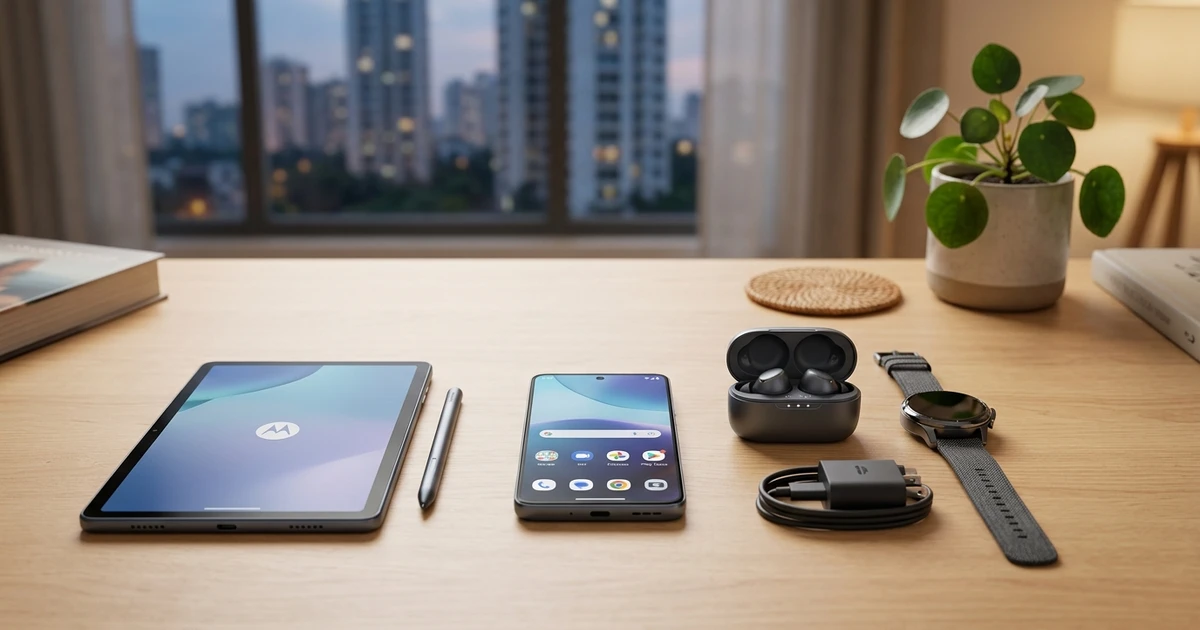
    For users building a complete setup, motorola accessories can support audio, charging, and wearable experiences around the phone. Good content often depends on the full ecosystem, not only the camera lens.

    Why edge, razr, and moto g Matter for Different Shooters

    Different users need different camera experiences. edge focuses on premium performance and camera led features, razr brings flip style and flexible creation, while moto g delivers value, battery, 5G, and everyday durability. This range helps more Indian buyers access better Mobile Photography without choosing a phone that does not match their lifestyle.

    Not every photographer has the same priority. A premium Android buyer may want zoom, display quality, and advanced AI. A creator may want a stylish flip phone that stands out. A student may want dependable camera performance with strong battery and value.

    motorola covers these needs across product families. edge is built for users who want a polished flagship style experience. razr focuses on style, compact design, and flip creativity. moto g targets all rounders who want camera, battery, durability, and 5G at more accessible prices.

    The moto g family is important for India because many users want better photography without moving into premium pricing. For them, camera quality must work alongside battery life, durability, display, and everyday performance.

    Think of it this way:

    • Choose edge if camera performance, premium design, and AI matter most.
    • Choose razr if flip style, portability, and creator expression matter most.
    • Choose moto g if value, battery, 5G, and daily reliability matter most.

    This makes motorola a strong choice for users who want phones that match real life, not just spec sheets.

    Android Camera Experience for Everyday India

    The android camera experience matters because Indian users shoot in diverse conditions, from bright festivals and food markets to classrooms, offices, metro rides, and night streets. motorola phones are designed to feel responsive, stylish, and practical, giving users camera confidence with clean navigation, AI features, battery strength, and dependable hardware.

    India is visually intense. Every day brings colour, movement, contrast, and mixed lighting. A good camera phone must adapt to all of it. It should capture a Diwali evening, a college farewell, a product shot for a small business, and a family video without making users fight settings.

    motorola builds around that daily reality. The camera should support creativity, but the phone should also feel comfortable in hand. Design and durability matter because users carry their phones everywhere. Style matters because phones are personal. Battery matters because the best shot may happen late in the day.

    This is why Mobile Photography is not a single feature. It is the combined result of camera hardware, moto ai, premium displays, android software, 5G connectivity, TurboPower™, and a product design that fits modern India.

    Practical Tips to Get Better Mobile Photography Results

    Better Mobile Photography comes from using camera features with intent. Simple choices such as cleaning the lens, tapping focus, using natural light, exploring portrait tools, enabling night mode, and keeping the phone steady can create a major improvement. motorola camera technology works best when users combine smart features with clear shooting habits.

    Even the best phone performs better when you shoot with awareness. You do not need professional training to improve your results. You only need a few repeatable habits.

    Try these practical steps:

    • Clean the lens before important shots.
    • Use grid lines to keep frames balanced.
    • Tap the subject to lock focus.
    • Use portrait mode for people and pets.
    • Switch to night mode in dim light.
    • Hold the phone steady during video.
    • Use ultra wide only when the scene needs it.
    • Review the shot before posting.
    • Keep battery charged before travel or events.
    • Use 5G uploads when available for large files.

    A simple example makes this clear. If you are shooting a friend at a cafe, place them near a window, tap their face for focus, use portrait mode, and avoid harsh overhead light. The result can look more premium without extra equipment.

    These small steps unlock the value of the camera system. They also help users create consistent content for Instagram, YouTube Shorts, work updates, and personal memories.

    The Future of Mobile Photography on motorola Phones

    The future of Mobile Photography will be shaped by AI, better sensors, smarter editing, stronger stabilisation, improved zoom, faster 5G sharing, and more flexible phone designs. motorola is positioned to bring these advances into premium, flip, and value focused android phones through purposeful innovation and a clear focus on real user needs.

    The next phase of camera technology will feel more personal. Phones will understand scenes faster. Editing will become more intuitive. Video will continue improving. Foldable and flip designs will create new shooting angles. AI will help users organise, enhance, and share content with less effort.

    For motorola, the opportunity is clear. Build camera systems that serve creators, photographers, all rounders, adventurers, and budget conscious 5G buyers. Keep the experience stylish, practical, and powerful. Make technology feel useful, not complicated.

    Mobile Photography has become one of the strongest reasons to upgrade. If you want a phone that supports sharper photos, smoother videos, premium design, android flexibility, moto ai assistance, and everyday durability, explore motorola phones today. Visit motorola.in, check the Offer Zone, compare your options, and choose Buy Now or Shop Now when you find the device that fits your style.

  • Business Growth in 2026: 10 Proven Strategies

    Business Growth in 2026: 10 Proven Strategies

    Business growth in 2026 will reward brands that move faster, learn deeper, and serve customers with sharper purpose. In India, buyers expect premium design, smooth android experiences, 5G speed, strong camera performance, reliable battery life, and value they can see instantly. This blog explains 10 proven strategies that leaders can use to grow with confidence. We will look at AI, ecommerce, product innovation, customer experience, support, and measurement through a modern consumer electronics lens, including how latest motorola phones reflect these shifts.

    Key Takeaways

    • Business growth strategies in 2026 must combine AI, data, ecommerce, and customer trust.
    • Indian brands can win by using clearer segmentation, faster digital journeys, and stronger product storytelling.
    • Purposeful innovation, premium android experiences, 5G, camera, battery, durability, and design should guide every growth decision.

    Business Growth in 2026 Starts With AI Strategy

    AI is no longer a future experiment. It is becoming the operating system for smarter marketing, sharper product discovery, faster service, and better customer retention. Brands that use AI with clear business goals can improve speed, relevance, and decision quality while giving customers more personal and useful experiences across every digital touchpoint.

    1. Make AI part of daily decisions

    The first strategy for business growth in 2026 is to use AI in daily planning, not only in campaigns. AI can help teams understand buying signals, compare demand across cities, predict product interest, and recommend better offers. For a mobile first brand, this means showing the right phones to the right users at the right moment.

    Motorola’s message, “Simplify your everyday. Smarter assistance starts with moto ai,” captures this shift well. Brands should think the same way. Use AI to remove friction. Use it to help shoppers compare camera, battery, durability, design, and price without confusion.

    1. Use AI marketing to personalise journeys

    AI marketing works best when it improves customer experience. A student comparing moto g devices may care about price, 5G, and battery. A creator may focus on camera quality, display, and style. A premium buyer may look at edge, razr, flip design, and advanced android performance.

    Personalisation should feel useful, not intrusive. Product pages, email journeys, app notifications, and Offer Zone promotions can all adapt to intent. The goal is simple. Help every shopper reach a confident decision faster.

    Build Digital Demand Through Ecommerce and 5G

    Growth in India will increasingly come from seamless digital journeys, fast mobile discovery, and direct ecommerce experiences that convert interest into action. Brands need strong product pages, simple comparison paths, clear offers, and mobile first campaigns that match how Indian customers research, compare, and buy technology in 2026.

    1. Create a direct ecommerce growth engine

    A strong direct to consumer channel gives brands control over storytelling, offers, service, and retention. It also helps collect first party insights that can improve future launches. For consumer electronics, ecommerce pages should make the buying journey clear from discovery to checkout.

    Motorola India already uses visible ecommerce signals such as Buy Now, Shop Now, cart, account login, order tracking, product comparison, Free Shipping, Fast Delivery, and Offer Zone. These elements matter because modern buyers want speed and certainty. A good growth strategy turns every page into a guided selling experience.

    1. Design for 5G ready Indian customers

    The rise of 5G changes how people choose phones. Customers want smoother video, better gaming, faster uploads, richer creator workflows, and reliable connectivity. According to the GSMA Mobile Economy India, mobile connectivity continues to play a major role in India’s digital economy.

    For business growth strategies, this means product messaging must connect features to outcomes. Do not only say 5G. Show what 5G enables. Show how a premium android phone helps creators upload content, families stream entertainment, and professionals stay productive. Link product discovery to use cases, not just specifications.

    Win Customers With Product Innovation and Premium Design

    In 2026, customers will not reward innovation for its own sake. They will reward purposeful innovation that solves everyday needs with better performance, stronger design, camera intelligence, battery confidence, and durable build quality. Brands should make every product story simple, emotional, and proof led for each customer segment.

    1. Turn product features into customer stories

    Feature led growth works when features answer real needs. A camera is not only a sensor. It is a creator’s confidence during travel, events, reels, portraits, and night shots. Battery is not only capacity. It is peace of mind through college, work, gaming, and commuting.

    For motorola, purposeful innovation can connect product families to clear audiences. The razr line can speak to style conscious flip phone buyers. The edge family can speak to premium camera and display seekers. The moto g family can speak to value focused 5G buyers who need durability and reliable battery life. This clarity helps customers self select faster.

    1. Build premium perception with design and ecosystem

    Premium growth is not only about price. It is about how a brand feels at every touchpoint. Design, packaging, interface, product photography, offer language, and after sales support all shape perception. The phrase “latest premium 5G and flip android flagship phones” works because it signals category, aspiration, and technology in one idea.

    A broader ecosystem also increases retention. Customers who buy phones may later explore motorola accessories, tablets, smart TVs, appliances, chargers, earbuds, moto watch, moto pen ultra, and TurboPower™ charging. Ecosystem thinking makes the relationship bigger than one transaction.

    Turn Trust, Support, and Community Into Growth

    Trust is a growth channel. Customers are more likely to buy, upgrade, and recommend when they feel supported before and after purchase. In 2026, service transparency, warranty clarity, software updates, repair visibility, community content, and creator advocacy will help brands convert product interest into long term loyalty.

    1. Make support a revenue driver

    Many brands treat support as a cost. Growth leaders treat it as a trust engine. Clear order support, repair options, warranty lookup, software update schedules, troubleshooting, and parts price information reduce buyer anxiety. This is especially important for premium phones, foldables, and high value electronics.

    A strong support experience can also increase upgrades. If a customer has a smooth repair or warranty journey, they are more likely to consider another motorola device. Support content can rank in search, answer real questions, and guide existing users toward accessories, new launches, and trade up opportunities.

    1. Use communities and creators for proof

    Indian buyers often trust creators, reviewers, friends, and real user stories. Brands should support creators with clear proof points, test scenarios, and product use cases. A photographer can show zoom, portrait, and low light output. A traveler can show durability and battery. A student can show value, 5G, and entertainment.

    Community content should not be random. It should map to segments. Photographers need camera proof. Adventurers need durability proof. All rounders need everyday balance. Foldable buyers need razr style and practical flip use cases. When community stories match buyer intent, they create stronger business growth in 2026.

    Measure, Optimise, and Scale What Works

    The strongest growth teams measure the full customer journey, not isolated campaign results. They track discovery, comparison, conversion, delivery, support, repeat purchase, and advocacy. With better data discipline, brands can stop guessing, scale winning channels, and invest in experiences that create profitable growth across India.

    1. Track the full growth funnel

    Business growth in 2026 needs a complete view of the funnel. Track how users arrive, which product pages they compare, where they drop, which offers convert, and what support questions appear after purchase. Each signal can improve the next decision.

    For example, if many users compare premium phones but do not buy, the page may need clearer camera proof, financing options, or comparison content. If budget buyers search for battery and durability, moto g pages should make those benefits visible earlier. Measurement helps teams act faster.

    1. Scale through adjacent categories

    A brand grows faster when it expands customer value carefully. For motorola, smartphones remain central, but adjacent categories can deepen the ecosystem. A buyer may explore motorola tablets for entertainment or learning. Professionals may compare motorola laptops for productivity. Businesses may also explore motorola enterprise solutions.

    India’s ecommerce market continues to expand, as reflected in the IBEF ecommerce industry overview. This creates room for brands that connect products, offers, support, and content into one clear journey. Scaling works best when every category reinforces the same promise.

    Conclusion: Business Growth in 2026 Needs Purpose

    The brands that grow in 2026 will not be the loudest. They will be the clearest, fastest, and most useful. They will combine AI, ecommerce, 5G, product innovation, trust, and measurement into one disciplined system that helps customers choose with confidence and return with loyalty.

    Business growth in 2026 requires more than campaigns. It needs purposeful innovation, customer focused AI, direct ecommerce strength, premium design, and reliable support. For India’s mobile first market, brands must speak to real needs such as camera, battery, durability, 5G, style, and android performance. Motorola’s heritage since 1928, broad product portfolio, and innovation led positioning offer a strong model for this approach. Explore the motorola India story, then build a growth strategy that helps customers discover, compare, buy, and stay loyal with confidence.

  • AI Marketing Platform vs AI Marketing Agency Guide

    AI Marketing Platform vs AI Marketing Agency Guide

    AI marketing platform vs AI marketing agency is now a serious decision for business owners who need predictable lead generation, faster execution, and better ROI visibility. Agencies remain useful for expert support, but software led marketing is changing how teams manage SEO, paid ads, maps, social media, CRM, reporting, and AI search optimization.

    Gartner predicted that traditional search engine volume could drop by 25 percent by 2026 because of AI chatbots and virtual agents. That shift makes the decision bigger than cost. Businesses now need a model that supports visibility across search engines, social platforms, maps, and generative AI discovery.

    Key Takeaways

    • An AI marketing agency is service led, while an AI marketing platform is software led, automation driven, and dashboard based.
    • A platform model often suits businesses that need faster execution, AI marketing agents, unified reporting, and scalable lead generation.
    • Leadmetrics helps companies manage digital marketing, lead tracking, AI search optimization, and ROI reporting from one AI powered platform.

    Introduction: The New Choice in Digital Marketing Execution

    Businesses no longer compare only one agency with another. They now compare human managed services with software led automation. The right choice depends on execution speed, lead tracking, control, cost, ROI clarity, and readiness for AI powered search discovery across channels. This guide explains how to choose the right model with confidence today.

    For years, the default answer to digital marketing complexity was simple. Hire an agency. That model still works when companies need creative direction, campaign ideas, or fully outsourced execution.

    But digital marketing is now more fragmented. Buyers discover brands through Google, Bing, Instagram, LinkedIn, YouTube, Google Maps, ChatGPT, Gemini, Meta AI, Google AI Overviews, and Bing Copilot. A delayed report or disconnected tool stack can slow decisions.

    That is why the AI marketing platform vs AI marketing agency comparison matters. The right model should improve speed, control, channel coverage, AI search readiness, CRM integration, and ROI tracking.

    Leadmetrics positions itself as AI Software for Digital Marketing and Lead Generation, helping businesses centralize marketing execution through automation, performance analysis, and lead tracking.

    What Is an AI Marketing Agency or AI Marketing Platform?

    An AI marketing agency uses people and AI tools to deliver marketing services. An AI marketing platform gives businesses software for planning, execution, automation, optimization, and reporting. Both models can support growth, but they differ in ownership, visibility, cost structure, speed, data access, and how directly teams manage digital marketing workflows.

    An AI marketing agency is a service provider that uses AI tools to support strategy, content, campaigns, reporting, and optimization. The agency team may include SEO specialists, paid media managers, designers, writers, analysts, and account managers.

    Most agencies work through monthly retainers, project pricing, or campaign scopes. Their services often include SEO, paid ads, social media, content marketing, email marketing, creative strategy, and reporting. This model can help when a business lacks internal marketing capacity or needs high touch consulting.

    An AI marketing platform is different. It is software that helps businesses plan, execute, automate, optimize, and measure digital marketing from one interface. Modern platforms can support:

    • SEO optimization for Google and Bing
    • Paid ads optimization for Google, Meta, YouTube, and LinkedIn
    • Social media publishing and scheduling
    • Google Maps and local SEO optimization
    • AI search optimization and generative engine optimization
    • CRM and lead tracking
    • Marketing automation
    • Performance analysis and ROI reporting

    This is where AI marketing agents become important. AI agents can assist with SEO recommendations, paid media monitoring, social content workflows, maps optimization, AI search visibility, and lead generation tasks.

    Leadmetrics brings these capabilities into one AI powered digital marketing platform. It supports AI driven search engine optimization, paid ads optimization, maps optimization, social media optimization, CRM, reporting, and AI search optimization.

    AI Marketing Platform vs AI Marketing Agency: Quick Comparison and Key Differences

    The practical difference is simple. Agencies are expert led and service led. Platforms are system led and automation led. Agencies can provide strategic depth and creative direction, while platforms give business owners more direct access to campaigns, dashboards, leads, expenses, optimization workflows, and measurable digital marketing performance across channels.

    Criteria AI Marketing Agency AI Marketing Platform Best Fit
    Execution speed Depends on briefing, approvals, and team availability Faster through automation and built in workflows Platform for recurring execution
    Cost structure Retainers, project fees, and scope based pricing SaaS style subscription or platform based pricing Platform for predictable control
    Scalability May require larger scopes and more specialists Scales across campaigns, teams, and locations Platform for growing businesses
    Level of control Execution often happens outside internal systems Teams access dashboards and workflows directly Platform for direct control
    Transparency Reports may be scheduled or manually compiled Live dashboards and performance views Platform for real time visibility
    Reporting and analytics Often monthly or campaign based Continuous tracking and ROI reporting Platform for data driven decisions
    Campaign optimization Specialist led recommendations AI assisted monitoring and optimization Both, depending on complexity
    AI search readiness Varies by agency expertise Built into advanced AI marketing platforms Platform for AI search visibility
    CRM and lead tracking May depend on separate systems Connected lead tracking and CRM workflows Platform for sales alignment
    Multi channel management Often split across teams and tools Unified execution across channels Platform for lower complexity
    Dependency on external teams Higher Lower Platform for internal agility
    Suitability for SMBs Useful when outsourcing is preferred Strong fit for automation and visibility Platform for lean teams

    AI Marketing Platform vs AI Marketing Agency Cost and ROI

    Cost is one of the clearest differences. Agency pricing may include retainers, creative fees, paid media management, and extra project scopes. A digital marketing automation platform can reduce tool sprawl by centralizing SEO, ads, social media, maps, CRM, and reporting.

    Do not compare only monthly fees. Compare total marketing spend, tool costs, campaign expenses, cost per lead, lead quality, conversion rate, and sales follow up. Leadmetrics focuses on performance analysis, expense tracking, and ROI reporting so leaders can make clearer budget decisions.

    AI Marketing Platform vs AI Marketing Agency Speed and Control

    Speed is another factor. Agencies may need briefs, approvals, calls, and handoffs. Platforms can automate recurring tasks such as content scheduling, campaign monitoring, SEO recommendations, lead tracking, and reporting.

    Control also matters. A CEO, founder, or marketing head should not wait until the end of the month to understand performance. Platform dashboards help teams see channel performance, campaign spend, cost per lead, lead quality, and follow up status.

    AI Marketing Platform vs AI Marketing Agency AI Search and CRM Readiness

    AI search readiness is becoming a major differentiator. Google explains that AI features in Search can help users explore information through AI generated responses and supporting links. Businesses need content that can be understood by both search engines and generative answer engines.

    Gartner’s prediction that search engine volume will drop 25 percent by 2026 shows why businesses cannot depend only on traditional SEO. Generative engine optimization helps content become more useful, structured, and discoverable in AI powered answers.

    Leadmetrics supports optimization for Google and Bing SEO, Google PPC, Meta ads, YouTube, LinkedIn, Instagram, Facebook, Google Maps, Bing Maps, Google Business Profile, ChatGPT, Gemini, Meta AI, Google AI Overviews, and Bing Copilot.

    Lead management is equally important. Generating inquiries is not enough. A platform with CRM integration helps connect marketing activity to lead capture, follow up, interaction tracking, and reporting. Leadmetrics includes mini CRM capabilities and marketing automation to help teams close the loop from visibility to sales action.

    For SMBs exploring this shift, the Leadmetrics guide on AI powered digital marketing for SMBs offers useful context.

    When Each Marketing Model Makes Sense

    An agency makes sense when a company wants external expertise, creative thinking, and fully managed execution. A platform makes more sense when the business needs automation, direct visibility, CRM connected lead tracking, AI search optimization, cost savings, and scalable marketing operations. Many companies can also combine both models for strategy and control.

    An AI marketing agency can be the right choice when a business has no internal marketing capacity. It helps when leadership wants to outsource strategy, creative development, campaign setup, content, and reporting.

    Agencies are also useful for brand positioning, video concepts, complex launch campaigns, and high touch consulting. Human specialists still play a strong role in creative strategy and market interpretation.

    Choose an agency led model if:

    • You want fully outsourced execution
    • You need creative direction and campaign ideation
    • You prefer human managed workflows
    • You have budget for retainers and custom scopes
    • Internal control is less important than external support

    A platform led model works better when businesses need faster execution, centralized digital marketing management, lower dependency on external teams, and better lead tracking.

    This is especially useful for startups, SMBs, mid market companies, and in house marketing teams. A local clinic may need Google Maps visibility, social media, paid ads, and lead follow up. A real estate company may need landing page optimization, Google PPC, Meta campaigns, SEO, and CRM tracking.

    Leadmetrics helps businesses manage these workflows through software led execution. Teams can use AI driven maps optimization, Google Ads optimization, social media optimization, AI search optimization, CRM, and ROI reporting from one platform.

    A hybrid model can also work well. In this setup, an agency or consultant supports strategy while the business retains platform access, performance data, and lead visibility. This gives leaders human input without losing operational control.

    Model 1: Agency Led

    This model is best for companies that want fully outsourced execution. It works when budget is available, internal marketing capacity is limited, and the leadership team prefers high touch support over direct control.

    Model 2: Platform Led

    This model is best for companies that want automation, visibility, direct control, and scalable lead generation. It is often ideal for SMBs, startups, local businesses, and in house teams that need a practical AI marketing agency alternative.

    Model 3: Hybrid

    This model works when a business wants strategic human input plus software led execution. An agency or consultant can use the platform, while the business retains its data, dashboards, workflows, and lead visibility.

    Decision Checklist, FAQs, and Final Verdict

    Use this final section to match your marketing model to your operating needs. If your business wants direct control, faster execution, AI search readiness, CRM connected lead management, less manual reporting, better cost per lead tracking, and improved ROI reporting, a platform led model is likely stronger than a purely agency led workflow.

    Decision Checklist

    Ask these questions before choosing:

    • Do you need real time visibility into campaigns and leads?
    • Do you want to reduce dependency on external execution teams?
    • Are you managing SEO, ads, social media, and maps together?
    • Do you need AI search optimization?
    • Is your team spending too much time on manual reporting?
    • Do you need better cost per lead and ROI tracking?
    • Do you want a digital marketing automation platform instead of disconnected tools?
    • Do you need CRM connected lead management?
    • Do you want faster campaign testing and optimization?
    • Do you need one system for visibility, execution, lead generation, and reporting?

    If most answers are yes, an AI marketing platform is likely a better fit.

    FAQs

    What is the difference between an AI marketing platform and an AI marketing agency?

    A platform is software led and automation driven. An agency is service led and managed by human specialists. Platforms give direct access to dashboards, workflows, automation, leads, and reporting. Agencies provide external expertise and managed execution.

    Is an AI marketing platform cheaper than an agency?

    It can reduce operational costs by centralizing tools and automating repetitive work. Total cost depends on platform features, support needs, usage, and campaign complexity. Some businesses may still use consultants for strategy or creative work.

    Can an AI marketing platform replace a digital marketing agency?

    It can replace many execution heavy tasks such as reporting, scheduling, monitoring, lead tracking, and recurring optimization. It may not replace every creative or strategic need. Some companies still use agencies for positioning, messaging, and campaign ideas.

    What are AI marketing agents?

    AI marketing agents are automated systems that support tasks such as SEO, paid ads, content workflows, social media, maps optimization, AI search optimization, and lead tracking. They help teams reduce manual work and act faster.

    Why is AI search optimization important?

    Buyers increasingly use AI powered search engines and answer assistants to discover brands, compare options, and make decisions. Businesses need visibility across ChatGPT, Gemini, Meta AI, Google AI Overviews, Bing Copilot, and traditional search.

    Who should use Leadmetrics?

    Leadmetrics is built for startups, SMBs, mid market businesses, in house marketing teams, founders, and business owners that need AI powered digital marketing, lead generation, CRM, automation, performance analysis, expense tracking, and ROI reporting.

    Final Verdict: AI Marketing Platform vs AI Marketing Agency

    AI marketing platform vs AI marketing agency comes down to control, speed, cost, expertise, and measurable lead generation. Agencies provide valuable human strategy and managed services. Platforms provide automation, visibility, scalability, AI search readiness, CRM connected lead tracking, and ROI clarity. For businesses that want a practical AI marketing agency alternative, Leadmetrics offers one platform for SEO, paid ads, maps, social media, AI search optimization, CRM, and reporting. Book a Demo with Leadmetrics to compare your current workflow with a software led model.

  • AI Marketing Demo Guide for Lead

    AI Marketing Demo Guide for Lead

    AI marketing demo sessions often reveal what sales pages cannot. They show how a platform handles real digital marketing workflows, lead generation tasks, campaign optimization, media execution, and performance reporting. For CEOs, CTOs, IT Directors, entrepreneurs, and business owners, a demo is not just a product walkthrough. It is a decision checkpoint. This guide explains how to evaluate an AI marketing demo, what questions to ask, which workflows to test, and how to connect software capabilities with measurable ROI.

    Key Takeaways

    An AI marketing demo should help decision makers evaluate automation, campaign performance, lead quality, reporting depth, and platform fit before committing to digital marketing software. The best demos focus on business outcomes, not just features, and show how AI supports lead generation, media optimization, and data driven marketing decisions.

    1. A strong demo connects AI powered digital marketing features to qualified lead generation.
    2. Teams should test SEO, paid ads, maps, social media, CRM, and ROI reporting workflows.
    3. The right platform should reduce manual effort while improving marketing optimization visibility.

    Why an AI Marketing Demo Matters for Growth

    An AI marketing demo matters because it lets your team verify how well the software handles daily marketing execution, campaign optimization, and lead management. Instead of relying on claims, you can assess real workflows, data quality, reporting clarity, and whether the platform supports your business goals across digital channels.

    Many businesses buy marketing software after watching a polished presentation. The problem starts when the product cannot support real campaign work. A demo prevents this gap by showing how strategy, execution, automation, and performance analysis come together.

    For example, an SMB may need SEO visibility, Google Maps optimization, paid ads tracking, and social media publishing from one interface. During the demo, the team should ask how the platform moves from keyword discovery to campaign execution, then to lead tracking. If the process feels fragmented, adoption will suffer.

    A good AI marketing demo should also show how the platform supports your existing growth model. If your company depends on inbound inquiries, the demo must focus on lead capture, CRM updates, follow up workflows, and ROI reporting. If your team runs paid media, the demo should explain spend tracking, campaign optimization, and conversion analysis.

    Leadmetrics AI positions its platform as AI Software for Digital Marketing and Lead Generation. That means the demo should not stop at content ideas or surface level analytics. It should show how digital marketing activities become trackable business outcomes. If you want to compare platform criteria before booking a walkthrough, this digital marketing platform selection guide is a useful supporting resource.

    What to Review During a Lead Generation Demo

    A lead generation demo should show how the platform captures inquiries, qualifies prospects, tracks customer interactions, and connects marketing campaigns to revenue signals. Decision makers should look beyond traffic reports and ask whether the software helps teams identify better leads, reduce wasted effort, and improve conversion focused workflows.

    Traffic does not always equal business growth. A website may attract visitors, but a business needs qualified leads. During an AI marketing demo, ask the vendor to show how leads enter the system, how they are categorized, and how your team can track their source.

    Focus on these practical areas:

    1. Lead source visibility across search, ads, maps, and social media.
    2. CRM integration or built in lead tracking.
    3. Lead status updates and interaction history.
    4. Campaign level ROI reporting.
    5. Automation for follow ups and task reminders.

    For a startup founder, this view helps identify which channels produce the best opportunities. For a CTO, it reveals how the platform handles data structure, integrations, access control, and reporting logic. For an IT Director, it shows whether implementation will create friction across existing systems.

    A strong demo should also explain how AI improves lead quality. For instance, the software may analyze campaign behavior, search intent, landing page performance, and media engagement. These signals can help teams prioritize better prospects and reduce time spent on poor fit inquiries.

    If your goal is smarter pipeline growth, review these AI lead generation best practices before the demo. They can help you shape better evaluation questions and avoid feature led decisions.

    AI Marketing Demo Questions for Automation and ROI

    AI marketing demo questions should test whether the platform improves automation, reduces repetitive work, and gives leadership a clear ROI view. Ask how AI supports campaign decisions, where human approval fits, and how the system reports performance across SEO, paid media, social media, maps, and AI search.

    The best demo questions are specific. They reveal whether a platform is built for real marketing operations or only for basic reporting. Start by asking how the software creates a digital marketing strategy. Then ask how it executes that strategy across channels.

    Useful questions include:

    1. How does the platform identify marketing opportunities?
    2. Can it automate SEO, paid ads, social media, and maps workflows?
    3. How does AI recommend optimization actions?
    4. Does the system track expenses and ROI?
    5. Can users review and approve AI generated recommendations?
    6. How does the platform manage leads after campaign engagement?
    7. What reports can CEOs or business owners view without technical support?

    Automation should not remove control. It should reduce manual work while giving teams better visibility. For example, a marketing manager may use AI recommendations to adjust ad campaigns. A business owner may only need weekly ROI insights. A CTO may want to inspect integrations and data flows.

    This is where Leadmetrics AI becomes relevant for growing teams. Its platform connects digital marketing automation with SEO, paid ads, maps, social media, AI search optimization, CRM, and performance analysis. If AI visibility is part of your growth plan, explore the Leadmetrics feature for AI search optimization. It addresses discovery across generative AI platforms, not only traditional search engines.

    External guidance also supports this broader view. Google Search Central emphasizes helpful, structured, accessible content for search visibility. McKinsey research on generative AI highlights that organizations gain more value when AI is connected to workflows, not used as a standalone experiment. These principles apply directly when assessing marketing software.

    AI Marketing Demo Checklist for Channel Optimization

    An AI marketing demo checklist helps your team compare platforms consistently across channels. Review SEO, paid ads, local maps, social media, landing pages, AI search, CRM, and reporting in one structured session so the final decision reflects business outcomes rather than isolated feature impressions.

    A demo can become confusing when every feature looks useful. A checklist keeps the discussion focused. Ask the vendor to walk through one complete growth scenario. For example, choose a service page, optimize it for search, create an ad campaign, publish social content, track inquiries, and review ROI.

    Your checklist should include:

    1. SEO optimization for Google and Bing.
    2. AI search optimization for generative platforms.
    3. Google Business Profile and maps optimization.
    4. Paid ads optimization for Google, Meta, YouTube, or LinkedIn.
    5. Social media content generation and scheduling.
    6. Landing page optimization for conversion.
    7. Lead capture and CRM tracking.
    8. Performance analysis and expense reporting.

    This matters because most businesses do not struggle with one channel only. They struggle with fragmented execution. SEO sits in one tool, ads in another, social media in another, and leads in a spreadsheet. A unified marketing optimization platform should reduce this complexity.

    For paid acquisition teams, spend visibility is especially important. During the demo, ask how the software detects wasted spend, compares campaign performance, and recommends adjustments. You can also review Leadmetrics AI’s Google Ads optimization feature to understand how paid media can fit into a broader lead generation system.

    AI Marketing Demo Metrics Business Leaders Should Track

    AI marketing demo metrics should connect platform activity with business value. CEOs and business owners should evaluate lead volume, lead quality, conversion rate, acquisition cost, channel ROI, response speed, and reporting clarity before choosing a marketing optimization platform for long term growth.

    A demo should answer one question clearly: will this platform help us make better marketing decisions? To answer that, focus on metrics that connect activity with outcomes.

    Important metrics include:

    1. Qualified leads generated by channel.
    2. Cost per lead from paid media.
    3. Organic traffic growth from SEO.
    4. Local visibility from maps optimization.
    5. Landing page conversion rate.
    6. Response time for inbound inquiries.
    7. Revenue influenced by campaigns.
    8. Total marketing spend and ROI.

    Do not accept dashboard screenshots without context. Ask how data enters the system, how often reports update, and whether leadership can view performance without manual spreadsheet work. A reliable platform should help business teams understand what to scale, what to pause, and what to improve.

    For example, a real estate business may track property inquiries from Google Ads, maps listings, and organic search. A healthcare provider may focus on local SEO, patient inquiries, and appointment requests. An eCommerce company may care about product page traffic, campaign spend, and checkout conversion. The platform should adapt reporting to the business model.

    Case based evidence can also support your decision. Before finalizing a vendor, review available case studies and ask for examples from similar industries. Look for business context, baseline challenges, software workflow, and measurable outcomes.

    How to Prepare for an AI Marketing Demo

    Preparing for an AI marketing demo improves the quality of the session and helps your team evaluate platform fit faster. Bring your goals, current channel data, campaign challenges, reporting needs, and lead management process so the vendor can demonstrate relevant workflows instead of giving a generic product tour.

    A demo is more useful when your team arrives prepared. Start by listing your main growth challenges. These may include low website visibility, poor lead quality, high ad spend, inconsistent social media activity, weak maps visibility, or unclear reporting.

    Bring these inputs to the session:

    1. Your target audience and service locations.
    2. Current monthly lead volume.
    3. Main digital marketing channels.
    4. Existing tools and CRM setup.
    5. Paid media budget range.
    6. SEO and content priorities.
    7. Reporting needs for leadership.
    8. Success metrics for the next quarter.

    Also decide who should attend. A CEO may assess ROI and cost savings. A CTO may evaluate integrations and data architecture. An IT Director may review security and implementation. A marketing manager may test daily execution workflows. When these roles attend together, the business can make a stronger decision.

    Ask the vendor to personalize the demo around your company. For example, if you serve customers in India, request a walkthrough for local SEO, Google Maps, and AI search visibility. If you run B2B campaigns, ask to see lead capture, CRM tracking, and LinkedIn campaign reporting.

    The final step is to define your decision criteria. Score each platform on ease of use, automation depth, reporting quality, lead tracking, channel coverage, and support. This turns the demo from a sales conversation into a structured evaluation.

    Conclusion

    An AI marketing demo should help your team connect software capabilities with measurable lead generation, media performance, optimization workflows, and ROI reporting. The right platform will show how AI supports daily execution, reduces complexity, and gives decision makers clearer visibility across digital marketing channels.

    An AI marketing demo is valuable when it focuses on business outcomes, not only product features. Review lead generation, automation, SEO, paid ads, maps, social media, AI search, CRM, and performance analysis in one connected workflow. Ask clear questions, test real use cases, and compare platforms using measurable criteria. If your team wants AI powered software for digital marketing and lead generation, Leadmetrics AI can help you evaluate the next step. You can book a demo to see how the platform supports smarter marketing optimization and qualified lead growth.

  • Test Digital Marketing Strategy for Better Lead

    Test Digital Marketing Strategy for Better Lead

    Test your digital marketing strategy before scaling spend. Many businesses invest in SEO, paid media, social media, maps, and AI search optimization without knowing which activity truly creates qualified leads. That creates wasted budget, weak reporting, and unclear ROI. A structured test helps CEOs, founders, and marketing teams compare campaigns, validate messages, and improve lead generation with data. In this guide, you will learn how to build a practical marketing test framework that connects digital execution, automation, performance analysis, and better business decisions.

    Key Takeaways

    • A strong test framework helps teams identify which digital marketing channels generate qualified leads and measurable ROI.
    • Marketing optimization works best when every campaign has a clear goal, a controlled variable, and reliable tracking.
    • AI powered software can reduce manual work by connecting campaign testing, lead management, and performance reporting in one workflow.

    Why Every Growth Team Needs a Test First Mindset

    Testing turns marketing from guesswork into a measurable growth system by helping teams compare channels, messages, landing pages, and lead quality before increasing budgets. For business owners, this reduces wasted media spend and gives decision makers a clearer view of what creates pipeline, what needs optimization, and what should stop immediately.

    Most marketing failures do not happen because teams lack ideas. They happen because teams scale unproven ideas too early. A founder may boost a campaign because it gets clicks, while the sales team later discovers that most leads are unqualified.

    A test first mindset changes that. Instead of asking, “Did this campaign get traffic?” the better question is, “Did this campaign produce leads that match our ideal customer profile?” That shift helps teams connect marketing activity with sales outcomes.

    For example, a healthcare clinic may test two landing page messages. One focuses on affordability. The other focuses on specialist expertise. The better campaign is not the one with more clicks. It is the one that produces more appointment ready leads.

    This is where an AI powered platform such as Leadmetrics can support better marketing optimization. Teams can use campaign data, CRM insights, and ROI reporting to decide what deserves more budget. You can also explore the Leadmetrics digital marketing audit to identify weak points before running your next test.

    Authoritative references such as Google Search Central and Google Analytics Help also reinforce the need for reliable measurement across search, content, and conversion tracking.

    How to Define a Test Goal That Supports Lead Generation

    A useful test starts with one business goal, not a long list of disconnected marketing metrics. When teams define the target outcome first, they can choose the right channel, tracking method, audience, and success measure. This improves lead generation because every experiment connects directly to pipeline, sales readiness, or cost efficiency.

    Start with a clear outcome. Do you want more demo bookings, clinic appointments, real estate inquiries, form submissions, calls, or local map actions? Once the goal is clear, define what a qualified lead means for your business.

    A qualified lead may include:

    • A decision maker from a target industry
    • A user from a priority location
    • A form submission with a valid business need
    • A call that matches your service category
    • A prospect who engages with sales within a defined time

    This prevents vanity metrics from controlling decisions. High impressions may look positive, but they do not always create revenue. A campaign with fewer leads may perform better if those leads convert faster and cost less to acquire.

    A practical test goal could be: increase demo requests from Indian SMBs by improving the landing page message for AI lead generation software. That goal has an audience, a conversion action, and a business outcome.

    If you need a wider view of campaign planning, read this guide on AI lead generation best practices for smarter growth. It explains how smarter targeting and automation can improve lead quality.

    Test One Variable at a Time for Cleaner Insights

    Clean testing depends on changing one major element at a time, such as the headline, offer, audience, creative, keyword group, or call to action. When too many things change together, teams cannot identify what improved performance. A controlled test gives clearer answers and helps marketing teams repeat what works.

    One common mistake is changing the ad copy, landing page, audience, and budget at the same time. If performance improves, no one knows why. If performance drops, the team cannot find the cause.

    Use one controlled variable per test. For example:

    • Test two landing page headlines with the same traffic source
    • Test two Google Ads offers with the same audience
    • Test two social media creatives with the same budget
    • Test one SEO content format against another
    • Test one AI search optimized answer style against a standard blog format

    This helps teams learn faster. It also makes reporting easier for CEOs and IT leaders who need direct answers. Clear tests support stronger data driven strategy because each result becomes a reusable insight.

    Leadmetrics is built for unified digital marketing execution, so teams can connect SEO, paid media, social media, maps optimization, and CRM tracking. Learn more about AI driven search engine optimization if organic visibility is part of your testing plan.

    Build a Practical Digital Marketing Test Framework

    A repeatable framework helps teams move from random experimentation to structured optimization. The best approach includes a hypothesis, baseline data, campaign setup, tracking, review cadence, and action plan. This gives marketing teams a reliable way to improve lead generation, reduce media waste, and make better budget decisions.

    A good test framework does not need to be complex. It needs to be consistent. Use the same process for SEO, paid ads, social media, maps, landing pages, and AI search optimization.

    Follow this simple workflow:

    1. Define the business goal
    2. Identify the audience segment
    3. Write one clear hypothesis
    4. Choose one variable to test
    5. Set the tracking method
    6. Run the campaign for a meaningful period
    7. Review lead quality and cost
    8. Scale, pause, or improve the campaign

    A hypothesis could be: “If we change the landing page headline from service focused to outcome focused, demo requests from founders will increase.” This gives the team a clear reason for the test.

    Baseline data matters too. If your current landing page converts 2 out of every 100 visitors, you need that number before making changes. Without a baseline, improvement is only an opinion.

    For broader platform selection, this digital marketing platform selection guide for better leads can help you compare automation, reporting, and lead management capabilities.

    Use Test Data to Improve Media and Channel Decisions

    Marketing data becomes valuable when it guides action across media channels. A strong test shows which campaigns deserve more budget, which audiences need refinement, and which channels produce better lead quality. This helps businesses improve digital marketing optimization while keeping spend focused on measurable business outcomes.

    Every channel has a different role. SEO may build long term visibility. Paid ads may create faster demand. Social media may support trust and engagement. Maps optimization may drive local inquiries. AI search optimization may improve visibility in generative AI answers.

    A structured test helps decide where each channel fits. For example, a real estate business may learn that Google Maps brings more local calls, while paid search brings higher value buyer inquiries. Both channels may work, but they need different budgets and expectations.

    Measure channel performance using metrics such as:

    • Cost per qualified lead
    • Conversion rate by traffic source
    • Lead to sales meeting rate
    • Landing page engagement
    • CRM status progression
    • Revenue influenced by campaign

    This is where automation becomes useful. Manual reporting often delays decisions. AI powered software can connect campaign performance, CRM lead status, and ROI analysis faster. That helps business owners act before budget is wasted.

    If local visibility is important, review this guide on local SEO software for Google Maps lead generation. It shows how maps optimization can support local lead generation.

    Measure Lead Quality, Not Just Campaign Activity

    A campaign test should never stop at clicks, impressions, or form fills. True marketing optimization depends on lead quality, sales readiness, and revenue potential. When teams connect campaign data with CRM outcomes, they can see which activity creates real business value and which activity only creates surface level engagement.

    Lead generation is not only about volume. A campaign that produces 300 weak leads can drain sales time. A campaign that produces 30 strong leads may create better ROI.

    To measure quality, review what happens after the conversion. Did the lead answer the call? Did they match your service area? Did they have budget? Did they book a demo? Did sales mark them as qualified?

    Marketing and sales teams should agree on lead stages. A simple structure can include:

    • New lead
    • Contacted lead
    • Qualified lead
    • Demo booked
    • Proposal sent
    • Won customer
    • Lost opportunity

    This creates a feedback loop. If one campaign generates many new leads but few qualified leads, the audience or offer may be wrong. If another campaign generates fewer leads but more proposals, it may deserve more budget.

    Leadmetrics supports this full cycle through marketing automation, CRM integration, performance analysis, and ROI reporting. You can explore related insights in the Leadmetrics blog, where topics cover AI lead generation, digital marketing optimization, SEO, and AI search.

    Turn Test Results Into Smarter Optimization

    The real value of a test appears after the result is reviewed and acted on. Teams should document what worked, what failed, and what should change next. This creates a knowledge base for future campaigns and helps businesses improve marketing performance without repeating the same expensive mistakes.

    After each test, do not only record the final number. Record the lesson. A failed campaign can still be useful if it prevents future waste.

    Ask these questions during review:

    • What did we expect to happen?
    • What actually happened?
    • Which audience responded best?
    • Which message produced better lead quality?
    • Which channel showed the strongest ROI signal?
    • What should we scale, pause, or retest?

    This review process helps leaders make better decisions. A CEO can see which investment supports growth. A CTO can understand data flow and tracking accuracy. A marketing manager can improve execution.

    For businesses using AI search optimization, this review is even more important. Generative AI platforms may surface content differently from traditional search engines. Your content, structure, authority signals, and answer quality all matter. Learn more about AI search optimization if your business wants visibility across ChatGPT, Gemini, Google AI experiences, and Bing Copilot.

    You can also compare your findings with real market examples and industry proof points in Leadmetrics case studies.

    Conclusion

    A strong test gives your marketing team clarity before you scale digital spend. It helps you define goals, control variables, measure lead quality, and connect campaign activity with ROI. The best results come from consistent optimization across SEO, paid media, social media, maps, AI search, and CRM tracking. If your business wants a smarter way to test campaigns and improve lead generation, Leadmetrics can help you centralize execution, automation, and reporting. To start improving your digital marketing performance, contact Leadmetrics and plan your next test with confidence.