Category: Uncategorized

  • Best SEO Packages: Complete Guide for Growth

    Best SEO Packages: Complete Guide for Growth

    The best SEO packages can look similar on the surface, but the results are rarely the same. A low cost package may give reports and basic keywords, while a stronger package connects search visibility with lead generation, conversion tracking, and ROI. Business owners, CEOs, and marketing heads need more than rankings. This guide explains how to compare the best SEO packages, what each package should include, and how AI powered software can help you turn digital visibility into qualified leads.

    Key takeaways

    • The best SEO packages combine strategy, technical optimization, content, local visibility, and performance analysis.
    • A strong package should connect digital marketing activity with lead generation, not only traffic growth.
    • AI powered platforms like Leadmetrics help automate SEO execution, AI search optimization, reporting, and ROI tracking.

    What the Best SEO Packages Should Include

    The best SEO packages are structured marketing systems, not fixed task lists. They should improve technical health, content quality, local visibility, AI search readiness, and conversion performance. A complete package connects every SEO action to lead generation, so business leaders can measure whether digital visibility is producing qualified inquiries and stronger ROI.

    A good package starts with an audit. This identifies technical issues, weak content, missing local signals, and low quality traffic sources. From there, the package should define priorities based on business goals. For example, a real estate company may need location pages and lead focused landing pages. A healthcare clinic may need local map visibility and trust building content.

    The package should include:

    • Website SEO audit and issue prioritization
    • Keyword research based on commercial intent
    • Technical search engine optimization
    • Content planning and content optimization
    • Local SEO and Google Business Profile improvement
    • Landing page recommendations
    • Monthly performance analysis
    • Lead tracking and ROI reporting

    Google also recommends building helpful, reliable, people first content through its SEO Starter Guide. That means the best package should not chase keywords alone. It should answer customer questions, improve page experience, and support business growth.

    Technical performance also matters. According to Think with Google, 53 percent of mobile site visits are abandoned if a page takes longer than three seconds to load. This makes site speed, mobile usability, and landing page optimization essential parts of serious SEO packages.

    Leadmetrics supports this wider workflow through AI driven SEO optimization, helping businesses plan, execute, and optimize search campaigns through one digital marketing platform.

    How to Compare SEO Packages by Business Goal

    Every business needs a different SEO package because goals differ by market, competition, sales cycle, and location. A startup may need quick visibility and content velocity, while a local business may need map optimization and reviews. Compare packages by lead quality, campaign depth, reporting clarity, and revenue attribution.

    Before choosing a provider or software platform, define what success means. If your goal is brand awareness, impressions and content reach matter. If your goal is lead generation, form submissions, calls, demo bookings, and qualified inquiries matter more.

    For example, an eCommerce business may need category page optimization and technical SEO. A construction company may need location based service pages. A SaaS company may need comparison pages, educational content, and AI search optimization.

    Use these questions during evaluation:

    • Does the package include a clear strategy, or only task execution?
    • Does it track leads from organic search?
    • Does it include content that supports buying decisions?
    • Does it improve technical SEO and user experience?
    • Does it include local visibility when location matters?
    • Does it report ROI in a way leadership can understand?

    If your team is comparing digital tools and managed solutions, this digital marketing platform selection guide can help you assess automation, reporting, and lead management capabilities.

    The best SEO packages should also adapt over time. Search behavior changes, competitors publish new content, and AI powered search platforms influence discovery. A fixed checklist may work for maintenance, but growth needs continuous optimization.

    Best SEO Packages for Startups and SMBs

    The best SEO packages for startups and SMBs balance cost, speed, and measurable outcomes. They should focus on high intent keywords, essential technical fixes, local or niche visibility, and conversion focused content. The goal is not to publish more pages blindly, but to build a search presence that generates qualified leads.

    For startups, an effective package often begins with core landing pages and content built around buyer intent. A B2B SaaS startup may need pages for use cases, competitor comparisons, and industry problems. A local service provider may need optimized service pages and map visibility.

    For SMBs, SEO packages should reduce manual work. Owners and lean marketing teams often lack time to manage content briefs, publishing schedules, reports, and keyword tracking. AI powered marketing automation can help them stay consistent without building a large in house team.

    A practical SMB package may include:

    • A monthly audit and priority plan
    • Four to eight optimized content assets
    • Google Business Profile optimization
    • Basic technical fixes
    • Lead capture tracking
    • Monthly ROI review

    This approach helps businesses avoid spending on disconnected marketing activity. It also supports cost savings because every SEO action ties back to traffic quality, lead generation, and conversion potential.

    Pricing also needs careful review. There is no universal best price for search engine optimization. A local clinic in Kochi, a real estate business in Dubai, and a SaaS company targeting the United States will need different levels of effort. Competitive markets require deeper content, stronger technical work, and more frequent optimization.

    Watch for these red flags:

    • Guaranteed rankings without explaining the method
    • Large keyword lists with no business intent
    • Reports that ignore leads and conversions
    • Thin content created only for search engines
    • No technical audit or prioritization
    • No clarity on ownership of accounts and data
    • No plan for local SEO or AI search optimization

    A reliable package should explain what will be done, why it matters, and how performance will be measured. It should also protect your data and support long term digital growth.

    Leadmetrics uses a subscription based SaaS model with consultation led onboarding. Since business needs differ, pricing is contact based. This helps tailor the package around goals such as local visibility, lead generation, campaign automation, paid ads optimization, and AI search readiness.

    Local SEO, Maps, and AI Search Optimization

    Modern SEO packages should cover more than traditional rankings because customers now discover businesses through Google Maps, Bing Maps, AI assistants, social platforms, and generative search experiences. A strong package improves local visibility, business profile accuracy, structured content, and AI search optimization so your brand appears where buyers ask questions.

    Local SEO is essential for clinics, real estate firms, restaurants, retail stores, education providers, tourism companies, and service businesses. If people search for providers near them, maps visibility can directly influence calls, visits, and inquiries.

    A local package should include business profile optimization, category selection, location content, review strategy, and local landing pages. It should also track actions such as phone calls, direction requests, website clicks, and form submissions.

    Local reputation also affects discovery and trust. BrightLocal reports in its Local Consumer Review Survey that 98 percent of consumers read online reviews for local businesses. This shows why review management, maps optimization, and local content should be part of SEO packages for location based businesses.

    You can explore this topic further in the Leadmetrics guide on local SEO software for Google Maps lead generation. This is useful for businesses that depend on local discovery and location based lead generation.

    AI search optimization is now becoming equally important. Buyers ask ChatGPT, Gemini, Bing Copilot, and other AI platforms for recommendations, comparisons, and explanations. Your content must be clear, structured, credible, and useful enough for AI systems to understand.

    Google Search Central explains the importance of making content accessible and understandable through Search Essentials. For businesses, this means your SEO package should include structured information, strong topical coverage, and content that answers real customer questions.

    Best SEO Packages Metrics for Lead Generation

    The right SEO metrics show whether your package improves business performance, not just search visibility. Rankings and traffic are useful, but decision makers need deeper insight. Track qualified leads, source quality, conversion rates, cost savings, landing page performance, and ROI so SEO becomes a measurable growth channel for sustainable digital marketing.

    Many reports focus on keyword positions and page views. These metrics are valuable, but incomplete. If traffic grows and leads do not improve, the campaign needs better targeting or stronger conversion paths.

    A data driven SEO package should monitor:

    • Organic sessions from target markets
    • Keyword growth for commercial terms
    • Conversion rate by landing page
    • Calls, forms, chats, and demo requests
    • Lead quality by source
    • Cost per lead compared with paid media
    • Assisted conversions across digital channels

    For example, if a page ranks well but produces no inquiries, the issue may be weak intent, unclear messaging, or poor call to action placement. If traffic is low but conversion rate is high, the next step may be content expansion and internal linking.

    This is where AI powered performance analysis becomes valuable. Leadmetrics connects SEO, paid ads, social media, maps, CRM, expense tracking, and ROI analysis in one platform. This helps founders and marketing teams see which digital channels create real business value.

    For more practical growth ideas, read these AI lead generation best practices. The guide shows how automation and data driven strategy can improve lead quality across marketing campaigns.

    The best SEO packages combine technical accuracy, content quality, local visibility, AI search optimization, and measurable lead generation. Instead of buying isolated tasks, choose a system that supports strategy, execution, automation, and ROI tracking. SEO should not end with rankings. It should help your business attract the right audience, convert qualified leads, and improve marketing ROI over time. If you want a smarter way to manage SEO, maps, paid media, social media, CRM, and performance analysis, you can book a demo and explore a package built around your growth goals.

  • Local SEO Software for Google Maps Lead Generation

    Local SEO Software for Google Maps Lead Generation

    Local SEO software helps businesses turn nearby searches into calls, visits, bookings, and qualified leads. A basic Google Business Profile helps, but it is only the start. Competitors update posts, collect reviews, add photos, and track enquiries daily. This guide explains how AI powered Google Business Profile optimization, Google Maps visibility, CRM workflows, and ROI reporting can help clinics, real estate firms, retail stores, restaurants, hotels, and SMBs grow with a data driven local marketing system.

    Key Takeaways

    Local SEO software gives local businesses a practical way to connect Google Maps visibility with enquiries, bookings, walk ins, and measurable revenue. It helps teams manage profile optimization, reviews, content, lead tracking, and reporting in one workflow, so decision makers can focus on qualified leads instead of isolated ranking metrics.

    • Local SEO software supports Google Business Profile optimization, Google Maps optimization, reviews, content, lead tracking, and performance analysis.
    • A Google Business Profile AI bot can draft posts, suggest improvements, prepare review responses, and support local lead generation software workflows with human review.
    • The strongest results come when local SEO connects with SEO, paid ads, social media, CRM, marketing automation, and ROI reporting through an AI powered digital marketing platform.

    Why Local Businesses Need More Than a Basic Google Business Profile

    Local businesses need continuous optimization because Google Maps visibility changes often. Search relevance, customer distance, review activity, profile completeness, and competitor updates all matter. A profile that is created once and ignored can lose attention, enquiries, and trust in competitive local markets where customers compare options quickly.

    Many business owners claim their Google Business Profile, add basic details, and stop there. That approach creates gaps. Business hours may become outdated. Reviews may go unanswered. Photos may look old. Services may not match what customers search for.

    Common problems include:

    • Low visibility in Google Maps.
    • Inconsistent name, address, phone, and service information.
    • Few reviews or delayed review responses.
    • No regular Google Business Profile posts.
    • Poor tracking for calls, bookings, direction requests, and walk ins.
    • Fragmented tools for SEO, paid ads, social media, and lead management.

    The commercial impact is clear. Google research with Ipsos reported that 76 percent of people who search on a smartphone for something nearby visit a related business within a day. It also reported that 28 percent of those searches result in a purchase.

    That means local visibility is not just an SEO metric. It affects revenue. If a clinic in Kochi, a furniture store in Delhi, a hotel in Dubai, or a real estate office in Bangalore does not appear for relevant searches, it may lose high intent leads.

    Businesses can start with an online marketing audit to identify visibility gaps before choosing a long term optimization plan.

    What Local SEO Software and a Google Business Profile AI Bot Do

    Local SEO software is a digital marketing optimization platform for local organic search, Google Maps, and location based discovery. A Google Business Profile AI bot adds an automation layer that helps teams audit, update, monitor, and improve profile activity while keeping humans responsible for accuracy, compliance, and brand tone.

    Traditional local SEO tools focused mainly on listings, citations, and rankings. Modern AI local SEO software goes further. It helps businesses act on recommendations, automate repeated work, track enquiries, and measure ROI.

    Core functions usually include:

    • Google Business Profile optimization.
    • Local keyword tracking.
    • Google Maps optimization.
    • Review monitoring and response workflows.
    • Local content recommendations.
    • Citation and NAP consistency tracking.
    • Competitor visibility analysis.
    • Lead tracking and reporting.

    A Google Business Profile AI bot can support the same workflow. It can suggest profile improvements, draft GBP posts, identify missing fields, recommend service descriptions, prepare professional review responses, and highlight local keyword opportunities.

    It should not make unsupported claims. It should not publish inaccurate information. Business teams should review every change for accuracy, compliance, and brand tone.

    For example, a dental clinic can use AI to draft a weekly post. The post may cover consultation availability, service updates, or patient guidance. A manager can review and approve the final content.

    Google states that local ranking is based mainly on relevance, distance, and prominence in its guidance on improving local ranking on Google. AI Google Business Profile optimization can support relevance through better categories, services, descriptions, posts, and FAQs. It can support prominence through review workflows, local content consistency, citations, and stronger digital signals.

    Leadmetrics positions itself as AI Software for Digital Marketing and Lead Generation, with capabilities across maps optimization, SEO, paid ads, social media, CRM integration, reporting, and automation.

    Key Local SEO Software Features Buyers Should Compare

    The right local SEO software should help teams audit profiles, improve Google Maps visibility, publish useful content, manage reviews, connect enquiries to CRM, and report on qualified leads. Buyers should compare execution support, automation, reporting, and ROI visibility rather than choosing a tool that only shows rankings.

    Local SEO Software for Google Profile Audits

    A Google Business Profile audit shows whether a profile is complete, accurate, trusted, and useful for local searchers. It helps businesses find missing categories, weak service details, outdated photos, unanswered reviews, and poor enquiry paths before these gaps reduce visibility, calls, bookings, or walk ins.

    A Google Business Profile audit should review categories, business information, services, products, photos, posts, reviews, questions, and profile completeness.

    A strong audit should answer practical questions:

    • Is the primary category accurate?
    • Are key services listed clearly?
    • Are photos recent and relevant?
    • Are reviews answered consistently?
    • Are posts published regularly?
    • Are enquiry actions easy to find?
    • Are details consistent across digital channels?

    Leadmetrics supports structured profile improvement through its Google Business Profile optimization capability. This is useful for businesses that want a more systematic approach to Google Maps lead generation.

    Local SEO Software for Maps Tracking

    Google Maps optimization requires location aware tracking because visibility changes by search term, neighbourhood, device, and customer distance. A business may appear strongly in one area but remain invisible nearby. Local rank tracking helps teams find weak markets and prioritize profile updates, content, and campaign actions.

    Google Maps optimization helps businesses understand local visibility across cities, neighbourhoods, service areas, search terms, and devices. A single manual keyword check cannot show the full picture.

    A clinic may rank differently for “dentist near me” from one neighbourhood to another. A real estate brand may see different visibility for “flats for sale in Bangalore” and “property consultant near me.” A hotel may perform well near an airport but poorly for broader city searches.

    AI powered tracking helps teams monitor changes. It also helps them find weak locations and prioritize content or profile updates. Businesses can explore AI driven maps optimization when they need local SEO software India workflows connected with broader digital marketing execution.

    Local SEO Software for Content and Reviews

    Consistent content and timely review responses show customers that a local business is active, reliable, and easy to contact. AI can help teams create Google Business Profile posts, service updates, offers, and response drafts faster, while human review protects accuracy, sensitivity, and compliance.

    AI content workflows help local businesses publish regular Google Business Profile posts. These posts can cover offers, events, service updates, seasonal campaigns, and local promotions. This is valuable because many profiles become inactive when owners are busy.

    AI can draft posts for:

    • New service launches.
    • Healthcare awareness campaigns.
    • Property open house updates.
    • Retail festival offers.
    • Hotel and restaurant packages.
    • Timing or location updates.

    Review response support is equally important. Timely, professional replies improve customer trust. They also show that the business is active. AI can draft responses at scale, but human review is essential. This is especially true in healthcare, finance, and other regulated industries.

    Local SEO Software for CRM and ROI

    Local visibility only creates business value when enquiries are captured, assigned, followed up, and measured. Local lead generation software should connect calls, forms, WhatsApp messages, appointments, and consultations to CRM workflows, so leaders can see which channels create qualified leads and stronger ROI.

    Local visibility matters only when businesses can track outcomes. The software should connect phone calls, form submissions, WhatsApp enquiries, appointment requests, and consultation bookings to a CRM or lead tracking system.

    This is where local lead generation software becomes more valuable than a basic SEO tool. It helps decision makers see which channels generate qualified leads. It also shows which campaigns need optimization.

    Leadmetrics supports marketing automation, CRM integration, performance analysis, expense tracking, and ROI analysis. Its unified platform also connects local SEO with paid ads, social media, landing pages, and AI search optimization for platforms such as ChatGPT, Gemini, Google AI Overviews, Bing Copilot, and other AI assistants.

    For broader growth planning, teams can also read AI lead generation best practices and related digital marketing guidance.

    Use Cases, Metrics, and Buyer Checklist

    Local SEO software is most useful when customers search with urgent intent, compare reviews, check distance, view photos, and expect fast access to calls, bookings, directions, or enquiry forms. It supports clinics, real estate firms, retailers, hotels, restaurants, and multi location SMBs that need local visibility and measurable lead generation.

    Clinics and healthcare providers need patient enquiries, trusted reviews, service clarity, and appointment tracking. Dental clinics, dermatology clinics, hospitals, and diagnostic centres can use AI Google Business Profile optimization for searches such as “dentist near me,” “skin clinic in Kochi,” and “dermatologist near me.”

    Real estate businesses need Google Maps presence, local project discovery, paid ads integration, and CRM follow up. Searches such as “flats for sale in Bangalore” and “property consultant near me” often involve high value enquiries. Local SEO and real estate lead generation software workflows can work together to improve follow up quality.

    Retail stores depend on walk ins, product discovery, local promotions, and review trust. Searches such as “electronics store near me” or “furniture shop in Mumbai” show strong purchase intent.

    Hotels, restaurants, and hospitality brands need updated photos, amenities, menus, seasonal offers, reviews, and booking actions. A hotel near an airport or a family restaurant in a busy area can lose enquiries if profile information is incomplete.

    Multi location SMBs need consistent business information, location level reporting, profile activity, and scalable review workflows across India, UAE, and other growth markets.

    Track these metrics to measure local SEO performance:

    • Google Business Profile views.
    • Search and Maps impressions.
    • Website clicks.
    • Direction requests.
    • Calls.
    • Booking or appointment enquiries.
    • Form submissions.
    • WhatsApp or chat enquiries.
    • Review volume and average rating.
    • Local keyword visibility.
    • Cost per lead.
    • Lead quality.
    • Conversion rate from local traffic.
    • ROI from digital marketing spend.

    When choosing local SEO software, ask these questions:

    • Does it support Google Business Profile optimization?
    • Does it include Google Maps optimization?
    • Does it use AI for recommendations and automation?
    • Does it connect SEO, social media, paid ads, landing pages, and CRM?
    • Does it support lead generation, not just visibility?
    • Does it provide reporting that business owners can understand?
    • Does it support single location and multi location businesses?
    • Does it include consultation or onboarding support?

    Pricing can vary by business requirements, number of locations, integrations, and support needs. Leadmetrics uses consultation based engagement, so businesses should discuss goals before choosing the right setup.

    Local SEO Software vs Manual Google Business Profile Management

    Manual profile management can work for very small businesses with limited competition and simple marketing needs. Growing clinics, retailers, restaurants, real estate firms, and hospitality brands usually need automation, tracking, consistent updates, review workflows, and ROI reporting to manage local visibility at scale.

    Area Manual Management AI Powered Local SEO Software
    Profile updates Depends on staff availability Suggests updates and supports faster review
    Review responses Often delayed or inconsistent Drafts timely replies with brand tone
    GBP posts Irregular posting Supports regular content generation
    Keyword tracking Limited manual checks Tracks terms across locations
    Google Maps visibility Hard to measure clearly Shows location based visibility patterns
    Lead tracking Often spread across calls and forms Connects enquiries to CRM workflows
    Reporting Basic or fragmented Provides performance analysis and ROI insights
    Multi location scaling Difficult to manage Supports consistent location level workflows
    ROI measurement Usually unclear Connects marketing activity to outcomes

    Manual work creates bottlenecks. A single owner may not have time to check reviews, post updates, monitor keywords, and track leads. AI powered local SEO software helps teams stay consistent.

    It also improves accountability. Business owners can see which locations perform well. They can compare calls, enquiries, bookings, and conversion rates across channels.

    How Leadmetrics AI Supports Local SEO and Google Maps Lead Generation

    Leadmetrics AI supports local SEO by connecting maps optimization with SEO, paid ads, social media, AI search, CRM, reporting, and marketing automation. This unified approach helps businesses reduce fragmented tools, manage digital marketing workflows in one place, and turn local visibility into qualified lead generation.

    Leadmetrics is built as AI Software for Digital Marketing and Lead Generation. It supports businesses that want more than a traditional agency style workflow or a basic SEO dashboard.

    The platform helps teams manage digital marketing activity across key channels. These include:

    • Maps optimization for Google Maps and Bing Maps.
    • AI driven search engine optimization.
    • AI powered paid ads optimization.
    • Social media optimization and scheduling.
    • Marketing automation and CRM integration.
    • Performance analysis and reporting.
    • Expense tracking and ROI analysis.
    • AI search optimization for ChatGPT, Gemini, Google AI Overviews, Bing Copilot, and other AI assistants.

    This matters for local businesses because customer journeys are not limited to Google Maps. A customer may find a clinic on Maps, read reviews, visit a service page, click a social post, and submit a form. Another may search on an AI assistant before comparing nearby providers.

    Leadmetrics helps connect these touchpoints. It supports visibility, lead capture, CRM follow up, and ROI tracking through one digital marketing workflow.

    Businesses that want a wider growth plan can explore AI driven SEO optimization and digital marketing services from Leadmetrics.

    FAQs About Local SEO Software and Google Business Profile AI Bots

    These short answers help business owners, clinic administrators, retail operators, hospitality teams, and SMB decision makers understand how AI powered local SEO works. They also explain what AI can support, what humans should review, and how local visibility connects with lead generation.

    What is the best local SEO software for small businesses?

    The best option depends on business type, competition, number of locations, lead goals, and required integrations. A clinic may need reviews and appointment tracking. A retailer may need location reporting, Google Maps optimization, and offer posts.

    Can AI optimize my Google Business Profile?

    Yes. AI can support audits, content suggestions, review response drafts, GBP posts, keyword opportunities, and reporting. Humans should review changes for accuracy, compliance, and brand tone before publishing.

    How does Google Maps optimization help lead generation?

    Better Google Maps visibility can increase calls, direction requests, website visits, appointment enquiries, and store visits. The real value comes when those actions are tracked inside CRM and reporting workflows.

    Is local SEO software useful for clinics and real estate businesses?

    Yes. Clinics and real estate businesses rely heavily on trust, reviews, location based searches, and fast follow up. Local SEO software helps connect discovery with patient enquiries or property leads.

    How often should a Google Business Profile be updated?

    Update the profile whenever services, timings, offers, photos, posts, or business details change. Many businesses benefit from weekly or monthly updates, depending on competition and customer activity.

    Does Leadmetrics support local SEO and Google Maps optimization?

    Yes. Leadmetrics supports maps optimization, SEO optimization, marketing automation, CRM integration, performance analysis, and reporting as part of its AI powered digital marketing and lead generation platform.

    Conclusion: Turn Local Search Visibility Into Qualified Leads

    Local SEO software helps businesses compete in Google Maps and local search, but the highest value comes from connected execution. A Google Business Profile AI bot can reduce repetitive work, while CRM tracking, reporting, and ROI analysis help convert local discovery into measurable qualified lead generation.

    Local search is no longer only about rankings. It is about calls, visits, bookings, enquiries, reviews, and revenue. AI powered local SEO software helps businesses manage Google Business Profile optimization, Google Maps visibility, content, reviews, and reporting with more consistency. For businesses in India, UAE, and other growth markets, the opportunity is clear. Local search can create qualified leads when supported by a data driven strategy. Ready to improve your Google Maps visibility? Request a local SEO consultation with Leadmetrics AI.

  • Phones Buying Help Guide for Motorola India Users

    Phones Buying Help Guide for Motorola India Users

    Phones are no longer simple calling devices. They are cameras, workstations, gaming screens, payment tools, travel companions, and content studios in your pocket. If you are comparing the latest motorola smartphones in India, the right choice depends on your lifestyle, budget, camera needs, battery expectations, and design preference.

    This help guide explains how to choose between premium 5G Android models, flip designs, Motorola Edge devices, Moto G options, and accessories. You will also learn how to compare offers, support, and the wider Motorola experience before you buy.

    Key Takeaways

    • Choose phones by use case first, then compare camera, battery, performance, durability, and design.
    • Premium buyers should explore flip, Edge, moto ai, and advanced camera features before deciding.
    • Value focused users should compare Moto G, offers, charging, storage, and support before checkout.

    Choose Phones by Lifestyle, Not Only Specifications

    The strongest buying decision starts with how you use your smartphone every day. A photographer needs different priorities from a student, gamer, traveller, or creator. Before comparing prices, decide whether you need premium 5G performance, long battery life, a bold flip design, or balanced Android features that make daily tasks easier.

    Many buyers begin with RAM, storage, and price. That helps, but it does not complete the decision. A better method is to define your main use case. If you shoot reels, prioritise camera quality, video stability, storage, display brightness, and audio support. If you travel often, focus on battery, durability, charging, and reliable 5G performance.

    For a broader starting point, explore all motorola phones and shortlist models by family. You can also read this related guide to premium Android phones if you want a clearer view of flagship style features.

    Premium users usually want more than speed. They want a polished Android experience, advanced camera hardware, refined design, strong display quality, moto ai features, and storage that supports work and content creation. This segment suits buyers who expect their smartphone to feel fast, premium, capable, and ready for demanding daily tasks.

    Premium buyers should look closely at the Motorola Edge family and Razr range. Edge models focus on premium design, camera performance, and advanced Android experiences. Razr devices add the impact of a flip form factor, making them ideal for users who want a distinctive design.

    Value focused buyers need practical performance without unnecessary complexity. For many Indian users, the ideal smartphone must deliver dependable battery life, smooth Android usage, strong network support, practical storage, a capable camera, and attractive offers. Moto G devices are designed for buyers who want useful features at accessible pricing.

    The Moto G family can suit students, families, first 5G buyers, and all rounders. Look for the features that matter most in real life. Battery size affects long workdays. Storage affects apps, photos, and videos. Durability helps during active use. Display size matters for streaming and learning.

    Explore Moto G phones India when you want a balanced device for communication, entertainment, and everyday productivity.

    Compare Android Camera, Battery, and Performance

    Specifications become clearer when you connect them with real outcomes. A stronger camera supports better photos and videos, while a larger battery reduces charging anxiety. Premium 5G connectivity improves speed where networks support it, and a refined Android experience helps the phone feel responsive through work, entertainment, travel, and content creation.

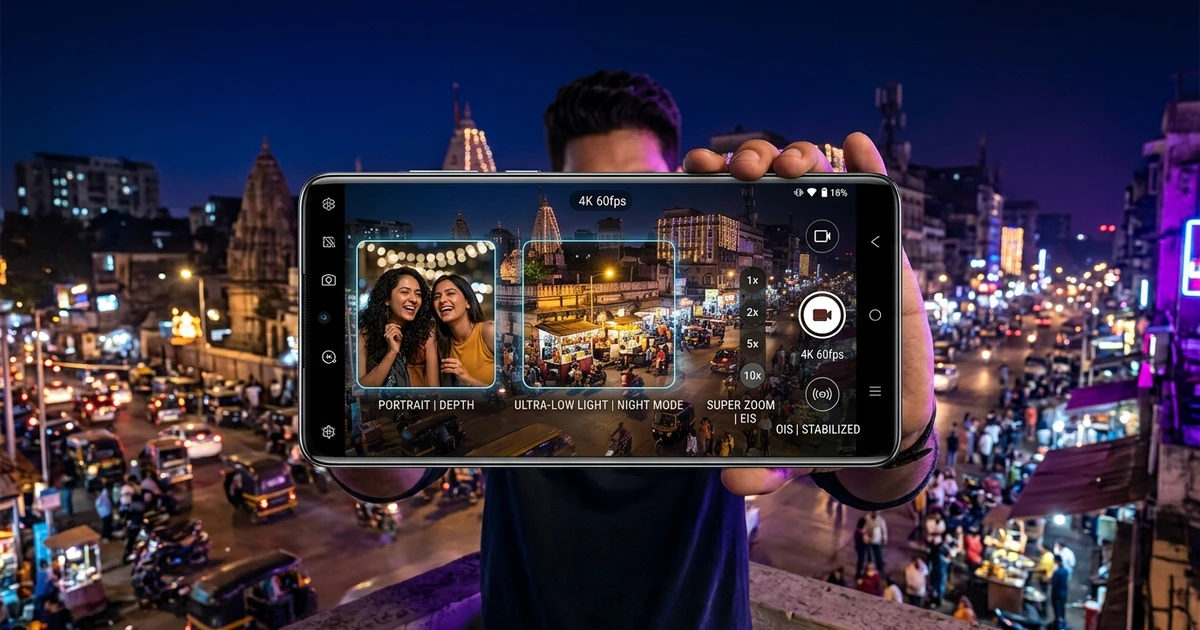
    Camera is often the deciding factor. A Motorola camera phone may focus on portrait shots, night scenes, zoom, wide angle framing, or content creation. Do not judge camera quality by megapixels alone. Look at sensor claims, stabilisation, zoom features, processing, and whether the camera supports the content you actually create.

    Battery is equally important. A long lasting battery helps commuters, adventurers, students, and business users. Charging support also matters because fast top ups can change daily convenience.

    Performance depends on chipset, RAM, storage, software optimisation, and thermal control. If you play games, edit videos, or switch between work apps, choose stronger hardware. If your usage is calls, payments, social media, and streaming, a balanced Moto G model may be enough.

    For Android platform context, review official Android phone guidance before comparing device experiences.

    Premium 5G Android Phones, Flip Designs, and moto ai

    The premium segment brings design, performance, camera, and software together. Buyers often compare Motorola Edge and Razr because they want latest Android phones that look distinctive and feel powerful. A flip form factor adds personality, while moto ai and advanced imaging can support smarter, faster, more expressive everyday use for professionals and creators.

    The flip category is ideal for users who want personality and practicality. A Motorola Razr brings a bold form factor that stands apart from standard bar style smartphones. If style, compact carrying, and premium design matter to you, explore the motorola Razr family.

    Motorola Edge phones suit users who want advanced camera systems, premium design, 5G performance, and a polished Android experience. They can be a strong fit for content creators, photographers, and ambitious professionals.

    moto ai can also improve the Motorola experience by making interactions feel smarter and more personalised. When comparing latest models, check how AI enabled features support camera, productivity, search, and daily assistance.

    If you are researching deeply, this demo guide to latest premium Android phones can help you understand how premium features translate into everyday value.

    Check Offers, Support, and the Complete Motorola Experience

    Price matters, but the complete Motorola experience includes offers, delivery, accessories, service, repair status, and order tracking. Smart buyers compare the device, final checkout value, and ecosystem around it. This approach is especially useful when buying phones from an official India focused e commerce storefront with product variants and support visibility.

    Before you buy, review the sale price, MRP, inclusive tax details, colour options, storage variants, and bank offers where available. Offers can make a premium model more accessible or help you upgrade storage.

    Also think beyond the smartphone. Accessories can improve the Motorola experience. Moto Buds support entertainment and calls. TurboPower chargers support charging convenience. Moto Watch options add wearable utility. You can explore motorola accessories if you want to complete your setup.

    Support matters after purchase. Check order tracking, repair status, and official support options. For security and platform awareness, Google provides useful information through its Android safety resources.

    Before checkout, use this quick buying checklist:

    • Confirm your main use case.
    • Compare camera features, not only megapixels.
    • Check battery capacity and charging support.
    • Review storage and colour variants.
    • Compare offers and final checkout price.
    • Consider accessories that fit your usage.
    • Check order, repair, and support options.

    You can also review this checklist before buying premium Android phones for a more structured decision process.

    Frequently Asked Questions About Motorola Phones

    Common buying questions usually focus on value, camera, battery, 5G, durability, and form factor. Clear answers help buyers avoid confusion and choose with confidence. Whether you are considering Moto G, Motorola Edge, or Razr, match the phone category with real usage before comparing offers, accessories, support, and final prices online.

    Which phones are best for photography?

    Photography focused buyers should compare camera hardware, processing, zoom capability, low light support, stabilisation, and storage. A good camera phone should help you capture everyday moments, portraits, landscapes, and social content with confidence, while also supporting smooth sharing through the Android ecosystem.

    If mobile photography is your priority, consider Motorola Edge models and camera focused premium devices first. Look for claims around sensor quality, zoom, stabilisation, AI assisted imaging, and display accuracy. Content creators should also check storage, video features, battery, and audio accessory compatibility.

    Are flip phones practical for daily use?

    Modern flip phones are designed for buyers who want premium design without giving up core smartphone utility. They can be practical for users who value style, compact carrying, and a distinctive Android experience, while still expecting performance, camera capability, and access to everyday apps.

    A flip model suits you if design is a major buying factor. It is also useful if you want a device that feels different from standard smartphones. Compare durability details, display experience, camera functions, and battery expectations before choosing a Razr model.

    How should I compare latest phones before buying?

    The simplest method is to shortlist by category, then compare daily value. Start with your budget and use case. Then compare camera, battery, display, performance, Android experience, design, offers, and support. This approach prevents specification overload and makes the buying decision more confident.

    Start with the product family. Choose Razr for flip design, Edge for premium features, and Moto G for value focused 5G utility. Then compare offers, storage, colour, delivery, and accessories. For more context, read before buying latest premium Android phones.

    Conclusion

    Phones should match your life, not just your budget. The right motorola choice depends on camera needs, battery expectations, premium design preferences, 5G usage, Android experience, durability, and available offers. Razr suits buyers who want a bold flip design. Edge suits premium users who want advanced features. Moto G suits practical buyers who want balanced value. Compare models carefully, review support, and check current offers before checkout. Explore the latest motorola phones today and choose the device that completes your Motorola experience with confidence.

  • Platform Selection Guide for Better Leads

    Platform Selection Guide for Better Leads

    Digital marketing can look simple until budgets rise, leads slow down, and reporting becomes unclear. Business owners often ask how to find the best option without wasting months on tools, agencies, or disconnected campaigns. This guide explains how to choose a digital marketing approach that supports lead generation, automation, optimization, and ROI. You will learn what to compare, which signals matter, and how an AI powered software platform can help your team make better marketing decisions with less manual effort.

    Key Takeaways

    1. The best digital marketing choice starts with clear business goals, not channel trends.
    2. Strong platforms connect lead generation, marketing automation, media execution, and performance analysis.
    3. AI search optimization, CRM tracking, and ROI reporting now matter as much as SEO and paid ads.

    Why the Best Digital Marketing Choice Starts With Goals

    The best digital marketing solution is not always the most popular tool or the largest agency. It is the option that connects your business goal, customer journey, budget, media channels, lead quality, and reporting needs into one clear system that your team can execute, measure, improve, and scale with confidence.

    Many companies begin with a channel decision. They ask whether SEO, Google Ads, social media, maps, or AI search will work better. That question matters, but it comes too early. Start with the outcome you need. A clinic may need patient inquiries. A real estate firm may need qualified buyer leads. A SaaS startup may need demo bookings.

    Once the goal is clear, digital marketing becomes easier to evaluate. Your team can define target audiences, expected lead quality, cost limits, campaign timelines, and reporting needs. This also helps you avoid vague promises. A useful platform or partner should explain how each activity supports the final business outcome.

    For example, Leadmetrics focuses on AI powered software for digital marketing and lead generation. That means the work does not stop at publishing content or launching ads. It connects strategy, execution, automation, optimization, CRM tracking, and ROI reporting. If your team needs a structured growth system, explore how tailor made digital marketing strategies can align campaigns with business goals.

    Digital Marketing Goals to Define First

    Digital marketing goals should be specific enough to guide budget, media planning, automation, lead scoring, and reporting decisions. Before selecting a platform, define whether your business needs more inquiries, higher quality leads, lower acquisition costs, faster campaign execution, better local visibility, or stronger AI search presence across customer discovery journeys.

    A clear goal prevents scattered marketing execution. For example, a local healthcare provider may prioritize maps optimization and call tracking. A B2B company may focus on demo requests, CRM visibility, and account based follow up. When your objective is measurable, every channel becomes easier to compare.

    Compare Digital Marketing Channels by Intent and ROI

    Every digital marketing channel plays a different role in the buyer journey, so it should be judged by intent and business impact. SEO builds organic visibility, paid ads create faster demand capture, social media supports trust, maps improve local discovery, and AI search optimization helps brands appear where modern buyers ask questions.

    A strong digital marketing plan rarely depends on one channel. The best approach combines channels based on customer intent. Search is useful when people already know their problem. Paid ads help test offers and generate faster traffic. Social media builds familiarity. Maps optimization is critical for local businesses. AI search optimization helps users discover your brand through generative AI assistants.

    Use this simple comparison process before investing.

    1. Identify the buyer stage each channel serves.
    2. Estimate the time needed to see meaningful results.
    3. Review the cost of content, media, and management.
    4. Check how leads will be captured and qualified.
    5. Confirm how ROI will be measured.

    This process keeps your media investment focused. It also prevents the common mistake of judging all channels by the same metric. SEO may need time before conversion improves. Paid ads may deliver traffic quickly, but they need landing page optimization and lead tracking. Social media may support consideration before direct inquiries rise.

    Google also recommends building search visibility around helpful content and technically sound websites. You can review the Google Search Central SEO starter guide for foundational guidance on organic optimization. For businesses that want to improve organic visibility with automation, AI driven search engine optimization can support ongoing analysis and execution.

    Digital Marketing Channel Scorecard

    A digital marketing channel scorecard helps leaders compare SEO, paid ads, social media, maps, AI search, and content by intent, speed, cost, conversion strength, and reporting clarity. This makes investment decisions more practical because each channel is evaluated by its role in lead generation, not by vanity metrics alone.

    Score each channel against your immediate business need. If you need local calls, maps and Google Business optimization may deserve priority. If you need faster demand capture, Google Ads and landing page optimization may matter more. If your market depends on trust, SEO content and social media can support the decision journey.

    Evaluate AI Powered Software, Automation, and Lead Generation

    AI powered software should help your team move faster without losing control over marketing quality or budget decisions. The right platform should support campaign planning, content generation, publishing, optimization, lead generation, CRM visibility, expense tracking, and performance analysis so decision makers can see what is working and what needs improvement.

    The best digital marketing platform should reduce scattered work. Many teams manage SEO in one tool, paid ads in another, social media separately, leads in spreadsheets, and reports in slide decks. This creates delays. It also makes ROI difficult to understand.

    AI powered software can solve this problem when it combines execution and insight. Look for features that help with:

    1. Strategy creation based on your business category.
    2. SEO, paid ads, social media, maps, and AI search optimization.
    3. Content generation, scheduling, and publishing workflows.
    4. Lead capture, CRM integration, and interaction tracking.
    5. Expense tracking and ROI analysis.

    Lead generation is especially important. Traffic alone does not grow revenue. Your platform should show which channels generate qualified leads and which campaigns need optimization. If your team wants a practical framework, read AI lead generation best practices for smarter growth for ways to improve lead quality and conversion.

    A good system should also help teams test campaigns. You can compare landing pages, audience segments, ad messages, and content formats. This turns digital marketing into a continuous improvement process instead of a one time campaign. For deeper campaign testing ideas, see testing digital marketing campaigns for better lead generation.

    Check Reporting, CRM Visibility, and Performance Analysis

    The best digital marketing option gives business leaders clear visibility into performance across media spend, lead generation, and revenue signals. Reports should not only show clicks, impressions, and followers. They should connect media investment, lead quality, CRM progress, conversion strength, cost efficiency, and ROI so teams can make confident budget decisions.

    Reporting separates professional marketing from guesswork. A business owner or CEO should be able to answer three questions quickly. Which channels generate leads? Which leads are qualified? Which campaigns justify more investment?

    If the answer is unclear, the platform or process is incomplete. Modern marketing teams need dashboards that connect activity with outcomes. This includes SEO rankings, ad spend, social media engagement, map visibility, AI search presence, form submissions, calls, CRM status, and revenue contribution where available.

    Performance analysis should guide decisions. If Google Ads generates leads but few sales, the issue may be lead quality. If SEO traffic grows but inquiries do not, the landing page may need conversion optimization. If social media engagement rises but no pipeline follows, the content may need stronger offers and calls to action.

    Think with Google highlights the value of measurement in improving marketing decisions. Their data and measurement insights show why teams need better signals across the customer journey. Businesses can also use marketing optimization guidance for better lead generation to improve campaigns through structured analysis.

    Before choosing a vendor or platform, ask for proof of process. Case studies, client stories, and measurable examples help you understand whether the solution can support your business model. You can review Leadmetrics case studies to see how industry context, challenges, and results can be assessed before making a decision.

    Digital Marketing Reporting Questions

    Digital marketing reporting should help leaders understand what happened, why it happened, and what to improve next. Strong dashboards connect campaigns, channels, leads, CRM updates, expenses, and ROI signals so your team can stop depending on disconnected reports and start making faster, data driven optimization decisions.

    Ask whether the system can show lead source, lead status, media cost, conversion rate, and campaign performance in one view. Also check whether it supports decision making for future budgets. Reporting should not only summarize past activity. It should guide the next marketing action.

    Use This Checklist to Find the Best Fit

    Choosing the best digital marketing solution becomes easier when you use a structured checklist before investing. The right fit should match your goals, support your channels, improve automation, strengthen AI search visibility, manage leads, provide transparent reporting, and help your team optimize campaigns based on performance data rather than assumptions.

    Use this checklist before you sign with a platform, agency, or software provider.

    1. Does it support your main business goal?

    If your priority is qualified leads, the solution must include lead generation workflows. If your priority is local visibility, maps optimization should be included. If your priority is discoverability in AI answers, AI search optimization must be part of the plan.

    1. Does it connect channels in one system?

    A connected system helps you manage SEO, paid ads, social media, maps, AI search, content, and reporting from one place. This saves time and reduces manual coordination.

    1. Does it include marketing automation?

    Automation should help with repetitive work. This may include content publishing, reporting, follow ups, campaign alerts, and lead routing.

    1. Does it measure ROI clearly?

    You need more than traffic data. Ask how the platform tracks media spend, lead quality, CRM progress, and performance analysis.

    1. Does it support future search behaviour?

    Buyers now use search engines, maps, social platforms, and AI assistants. AI search optimization helps your business stay visible across these discovery journeys. Leadmetrics offers a dedicated AI search optimization feature for businesses that want visibility beyond traditional search.

    1. Does it fit your team capacity?

    Some teams need software that supports in house execution. Others need guided onboarding and expert support. Choose a solution that matches your internal skills, time, and budget.

    1. Does it help you improve over time?

    Digital marketing is not a fixed plan. The best systems keep learning from performance data. They help your team adjust campaigns, refine content, improve landing pages, and reduce wasted spend.

    If a solution meets these conditions, it is likely a stronger fit than a tool that only solves one channel problem.

    Conclusion

    Finding the best digital marketing option is not about chasing every new tool. It is about choosing a system that connects business goals, lead generation, media execution, marketing automation, AI search optimization, CRM visibility, and ROI reporting into one practical growth process that your team can measure, improve, and scale.

    Digital marketing works best when every activity connects to a measurable business outcome. Start with your goal, compare channels by intent, evaluate AI powered software, and demand clear reporting. The right platform should help your team save time, improve optimization, and generate qualified leads with better performance analysis. If you want a unified AI powered approach for digital marketing and lead generation, you can book a demo with Leadmetrics and explore how your business can build a smarter growth system.

  • Test Data Guide for Premium Android Phones

    Test Data Guide for Premium Android Phones

    Test data helps you choose latest premium Android phones with confidence. For motorola buyers in India, the latest phones bring camera upgrades, battery strength, durability, flip design, moto ai, and strong offers. This guide explains what to test before you buy. You will learn how to compare phones for photography, content creation, travel, entertainment, and everyday use without getting lost in technical language.

    Key Takeaways

    1. Test the camera, battery, durability, display, performance, and software experience before choosing premium Android phones.
    2. motorola buyers should compare flip design, Moto G value, Motorola Edge performance, and accessory support based on real needs.
    3. Use official product pages, support links, and buying guides to match the latest phones with your lifestyle and budget.

    Why Test Data Matters for Latest Premium Android Phones

    Test data helps you move beyond surface level specifications and compare how a smartphone performs in India focused use cases like photography, streaming, commuting, gaming, and long battery days. It also makes premium 5G devices, flip phones, offers, and Android experiences easier to judge against your actual routine, budget, and ownership expectations.

    Many buyers start with price, design, or the newest launch banner. That is natural, but it is not enough. A premium smartphone should match how you actually use your device each day.

    A creator may value camera stabilization, storage, display brightness, and audio. An adventurer may focus on battery, durability, charging, and reliable 5G. A premium buyer may want a distinctive flip phone with refined materials and moto ai experiences.

    Compare product details with a focused guide such as Demo Guide to Latest Premium Android Phones. This helps you connect product claims with practical buying checks.

    The goal is simple. Use test data to choose a phone that feels powerful on day one and remains dependable after months of daily use.

    How to Test Camera Data on Latest Premium Android Phones

    Camera specifications matter when they connect directly to real shooting needs such as portraits, low light scenes, travel photos, reels, video calls, and social content. A useful test checks sensor details, zoom, image processing, stabilization, selfie output, lighting consistency, storage support, and how quickly the camera responds during everyday use.

    A strong camera is not only about megapixels. Buyers should examine the full camera experience. Look at the main sensor, ultra wide support, telephoto or periscope capability, AI zoom, portrait quality, night performance, and video features.

    motorola product messaging includes advanced claims on selected models. These include 50MP periscope lens with 50x AI super zoom pro and 50MP Sony LYT camera positioning. Treat these as starting points for comparison. Then test the fit against your routine.

    Use this simple camera checklist:

    1. Do you shoot more portraits, landscapes, products, or videos?
    2. Do you need strong low light performance for indoor content?
    3. Do you use zoom often during travel or events?
    4. Do you record reels, vlogs, or long video clips?
    5. Do you prefer natural photos or vivid social ready output?

    If photography is your priority, explore the Motorola Edge family. It is positioned around premium design, advanced camera systems, 5G, and performance. You can also read Test Checklist Before Buying Premium Android Phones for a broader buying framework.

    For Android platform context, buyers can review the official Android features overview. It explains how Android supports daily productivity, privacy, apps, and device flexibility.

    Latest Premium Android Phones Battery, Durability, and Performance Checks

    A phone that performs well only in short demos may disappoint during long workdays, travel, streaming, gaming, and camera heavy usage. Strong test data reviews battery size, charging support, chipset capability, storage, display efficiency, thermal control, and durability together, so you understand how the device supports real life beyond first impressions.

    Battery is one of the most practical test areas for Indian smartphone buyers. A large battery can support long commutes, office use, social media, maps, entertainment, and weekend travel. Charging support matters too, especially when you need quick top ups during a packed day.

    Durability also deserves attention. A phone may look premium, but daily usage includes drops, dust, pocket wear, travel, heat, and long screen time. Review the product page for durability claims, build materials, display protection, and water resistance references where available.

    Performance testing should include:

    1. App switching and multitasking.
    2. Gaming stability and heat handling.
    3. Camera launch speed.
    4. 5G connectivity support.
    5. Storage options for photos and video.
    6. Audio quality for entertainment and calls.

    For value focused users, the Moto G family can be a strong place to compare battery, durability, 5G, and offer led options. For premium buyers, Edge and Razr phones may offer more design led and performance led choices.

    If you are still narrowing options, read Before Buying Latest Premium Android Phones. It can help you rank specifications by actual lifestyle priority instead of launch excitement alone.

    Test Flip Design and Latest Premium Android Phones Experience

    Flip phones and premium Android devices are about daily feel, not just specifications. Test how the design supports calls, content, camera use, multitasking, portability, and style. The best motorola experience should feel seamless across hardware, software, moto ai, display quality, accessories, support, and the way the phone fits your routine.

    The flip format brings a different kind of premium smartphone experience. It is compact, stylish, and distinctive. For many buyers, it also creates a more expressive daily device. Before choosing a flip phone, test whether the form factor matches your routine.

    Ask direct questions before purchase:

    1. Do you want a phone that stands out visually?
    2. Do you value compact pocket comfort?
    3. Will the cover display improve quick actions?
    4. Do you shoot photos or videos hands free?
    5. Do you prefer a premium design first experience?

    Explore the official Motorola Razr collection if flip phones India is your key interest. The Razr family is positioned for premium buyers who want distinctive design and an advanced Android experience.

    Display testing is equally important. Look for brightness, colour quality, refresh rate, outdoor readability, and comfort during long content sessions. A strong display improves camera previews, gaming, social media, streaming, and productivity.

    The broader Motorola experience can also include moto ai, Ready For, accessories, and support services. If you want to complete your ecosystem, visit motorola accessories and compare Moto Buds, Moto Watch, TurboPower chargers, and other connected products.

    Test Offers, Support, and Ownership Confidence

    The final buying decision should include more than device specifications because ownership continues after checkout. A smart test process checks price, offers, delivery, order tracking, repair status, warranty support, accessories, and long term usability. This helps you judge the complete Motorola experience, not only the phone shown on the product page.

    Offers can change the value equation. A premium 5G phone may become more accessible during discounts, exchange bonuses, bank offers, or special sale campaigns. Always review the final price, included taxes, delivery information, and payment options before you decide.

    Use this ownership checklist:

    1. Confirm the product variant, colour, RAM, and storage.
    2. Compare MRP, sale price, and discount clearly.
    3. Check available offers and payment options.
    4. Review delivery timelines and order tracking.
    5. Understand support, repair status, and warranty routes.
    6. Add compatible accessories only if they serve a real need.

    The official motorola India storefront supports direct purchase actions, product listings, pricing, cart, login, orders, track order, and repair status. This makes the complete buying journey easier for users who prefer an India focused ecommerce experience.

    For compliance awareness in India, shoppers can also review the Bureau of Indian Standards product certification information. It is useful for understanding the role of regulated product categories and certification frameworks in India.

    A Simple Test Framework for Every Buyer

    Every buyer can use a practical scoring framework to compare phones with more clarity. Rate each model across camera, battery, durability, display, software, design, performance, offers, and support. This keeps the decision objective while still allowing personal preference, lifestyle needs, and budget to shape the final choice.

    Use a simple score from one to five for each category. One means not important or weak fit. Five means essential or strong fit.

    Score these areas before purchase:

    1. Camera quality for your content needs.
    2. Battery life for your daily schedule.
    3. Durability for travel and active use.
    4. Display quality for streaming and reading.
    5. Performance for gaming and multitasking.
    6. moto ai and software features.
    7. Premium design and hand feel.
    8. 5G and connectivity support.
    9. Current offers and final price.
    10. Support, delivery, and repair confidence.

    A photographer may give camera a five and design a three. A business user may score battery, performance, and support higher. A premium buyer may place flip design and display at the top.

    This keeps the decision personal, but not random. It turns test data into a clear buying method.

    Conclusion

    Test data gives every motorola buyer a sharper way to choose the latest premium Android phones. Instead of relying only on launch buzz, compare camera strength, battery life, durability, performance, flip design, moto ai, offers, and support. Explore the official motorola smartphones range, read buying guides, and score each phone against your daily routine. Whether you are a creator, photographer, adventurer, all rounder, or premium buyer, the right Motorola experience should feel powerful, practical, and ready for life in India. Choose with confidence.

  • Test Data Guide for Latest Premium Android Phones

    Test Data Guide for Latest Premium Android Phones

    Test data can make the difference between buying a phone that looks impressive and choosing one that truly fits your life. For motorola buyers in India, the latest premium Android phones offer camera upgrades, battery strength, durability, flip design, moto ai, and strong offers. This guide explains what to test before you buy, which specifications matter, and how to read product details with confidence. You will learn how to compare phones for photography, content creation, travel, entertainment, and everyday use without getting lost in technical language.

    Suggested hero image alt text: Test data checklist for latest premium motorola Android phones with camera, battery, durability, design, and offers.

    Key Takeaways

    1. Test the camera, battery, durability, display, performance, and software experience before choosing premium Android phones.
    2. motorola buyers should compare flip design, Moto G value, Motorola Edge performance, and accessory support based on real needs.
    3. Use official product pages, support links, and buying guides to match the latest phones with your lifestyle and budget.

    Why Test Data Matters Before Buying Premium Phones

    Test data helps you move beyond surface level specifications and understand how a smartphone performs in everyday India focused use cases, including photography, content creation, streaming, commuting, gaming, and long battery days. A structured test approach also helps you compare premium 5G devices, flip phones, offers, and Android experiences with greater clarity before purchase.

    Many buyers start with price, design, or the newest launch banner. That is understandable, but it is not enough. A premium smartphone should match how you actually use your device each day.

    For example, a creator may value camera stabilization, storage, display brightness, and audio. An adventurer may focus on battery, durability, charging, and reliable 5G. A premium buyer may want a distinctive flip phone with refined materials and moto ai experiences.

    Start by browsing the official motorola smartphones range. Then compare that information with a focused guide such as Demo Guide to Latest Premium Android Phones. This helps you connect product claims with practical buying checks.

    The goal is simple. Use test data to choose a phone that feels powerful on day one and remains dependable after months of daily use.

    How to Test Camera Data for Real Use

    Camera specifications matter most when they connect to real shooting situations, such as portraits, low light scenes, travel photos, reels, video calls, and social media content. A useful test looks at sensor details, zoom features, image processing, stabilization, selfie performance, and how consistently the camera handles different lighting conditions.

    A strong camera is not only about megapixels. Buyers should examine the full camera experience. Look at the main sensor, ultra wide support, telephoto or periscope capability, AI zoom, portrait quality, night performance, and video features.

    motorola product messaging includes advanced claims on selected models, such as 50MP periscope lens with 50x AI super zoom pro and 50MP Sony LYT camera positioning. Treat these as starting points for comparison, then test the fit against your routine.

    Use this simple camera checklist:

    1. Do you shoot more portraits, landscapes, products, or videos?
    2. Do you need strong low light performance for indoor content?
    3. Do you use zoom often during travel or events?
    4. Do you record reels, vlogs, or long video clips?
    5. Do you prefer natural photos or vivid social ready output?

    If photography is your priority, explore the Motorola Edge family. It is positioned around premium design, advanced camera systems, 5G, and performance. You can also read Test Checklist Before Buying Premium Android Phones for a broader buying framework.

    For Android platform context, buyers can also review the official Android features overview. It helps explain how Android experiences support daily productivity, privacy, apps, and device flexibility.

    Battery, Durability, and Performance Test Checks

    A phone that performs well only in short demos may disappoint during long workdays, travel, streaming, gaming, and camera heavy usage. Battery size, charging support, chipset capability, storage, display efficiency, thermal control, and durability claims should be reviewed together because real performance depends on how these features work as a complete system.

    Battery is one of the most practical test areas for Indian smartphone buyers. A large battery can support long commutes, office use, social media, maps, entertainment, and weekend travel. Charging support matters too, especially when you need quick top ups during a packed day.

    Durability also deserves attention. A phone may look premium, but daily usage includes drops, dust, pocket wear, travel, heat, and long screen time. Buyers should review the product page for durability claims, build materials, display protection, and water resistance references where available.

    Performance testing should include:

    1. App switching and multitasking.
    2. Gaming stability and heat handling.
    3. Camera launch speed.
    4. 5G connectivity support.
    5. Storage options for photos and video.
    6. Audio quality for entertainment and calls.

    For value focused users, the Moto G family can be a strong place to compare battery, durability, 5G, and offer led options. For premium buyers, the Edge and Razr families may offer more design led and performance led choices.

    If you are still narrowing options, read Before Buying Latest Premium Android Phones. It can help you rank specifications by actual lifestyle priority instead of only by launch excitement.

    Test Flip Design, Display, and Motorola Experience

    Flip phones and premium Android devices are as much about daily feel as they are about specifications, so buyers should test how the design supports calls, content, camera use, multitasking, portability, and style. The best motorola experience should feel seamless across hardware, software, moto ai, display quality, and connected accessories.

    The flip format brings a different kind of premium smartphone experience. It is compact, stylish, and distinctive. For many buyers, it also creates a more expressive daily device. Before choosing a flip phone, test whether the form factor matches your routine.

    Ask direct questions before purchase:

    1. Do you want a phone that stands out visually?
    2. Do you value compact pocket comfort?
    3. Will the cover display improve quick actions?
    4. Do you shoot photos or videos hands free?
    5. Do you prefer a premium design first experience?

    Explore the official Motorola Razr collection if flip phones India is your key interest. The Razr family is positioned for premium buyers who want distinctive design and an advanced Android experience.

    Display testing is equally important. Look for brightness, colour quality, refresh rate, outdoor readability, and comfort during long content sessions. A strong display improves camera previews, gaming, social media, streaming, and productivity.

    The broader Motorola experience can also include moto ai, Ready For, accessories, and support services. If you want to complete your ecosystem, visit motorola accessories and compare Moto Buds, Moto Watch, TurboPower chargers, and other connected products.

    Test Offers, Support, and Ownership Confidence

    The final buying decision should include more than device specifications because ownership includes price, offers, delivery, order tracking, repair status, warranty support, accessories, and long term usability. A smart test process checks the complete purchase journey, from product comparison to checkout and post purchase assistance on official motorola India channels.

    Offers can change the value equation. A premium 5G phone may become more accessible during discounts, exchange bonuses, bank offers, or special sale campaigns. Always review the final price, included taxes, delivery information, and payment options before you decide.

    Use this ownership checklist:

    1. Confirm the product variant, colour, RAM, and storage.
    2. Compare MRP, sale price, and discount clearly.
    3. Check available offers and payment options.
    4. Review delivery timelines and order tracking.
    5. Understand support, repair status, and warranty routes.
    6. Add compatible accessories only if they serve a real need.

    The official motorola India storefront supports direct purchase actions, product listings, pricing, cart, login, orders, track order, and repair status. This makes the complete buying journey easier for users who prefer an India focused ecommerce experience.

    For deeper comparison, use internal buying resources such as Test Checklist Before Buying Premium Android Phones and Demo Guide to Latest Premium Android Phones. These pages support a more confident decision when comparing latest premium phones.

    For compliance awareness in India, shoppers can also review the Bureau of Indian Standards product certification information. It is useful for understanding the role of regulated product categories and certification frameworks in India.

    A Simple Test Framework for Every Buyer

    Every buyer can use a practical test framework by scoring each phone across camera, battery, durability, display, software, design, performance, offers, and support. This approach keeps the decision objective while still allowing personal preference, whether you want a premium flip device, a camera focused model, or a value packed Android smartphone.

    Use a simple score from one to five for each category. One means not important or weak fit. Five means essential or strong fit.

    Score these areas before purchase:

    1. Camera quality for your content needs.
    2. Battery life for your daily schedule.
    3. Durability for travel and active use.
    4. Display quality for streaming and reading.
    5. Performance for gaming and multitasking.
    6. moto ai and software features.
    7. Premium design and hand feel.
    8. 5G and connectivity support.
    9. Current offers and final price.
    10. Support, delivery, and repair confidence.

    A photographer may give camera a five and design a three. A business user may score battery, performance, and support higher. A premium buyer may place flip design and display at the top.

    This keeps the decision personal, but not random. It turns test data into a clear buying method.

    Conclusion

    Test data gives every motorola buyer a sharper way to choose the latest premium Android phones. Instead of relying only on launch buzz, compare camera strength, battery life, durability, performance, flip design, moto ai, offers, and support. Explore official product pages, read buying guides, and score each phone against your daily routine. Whether you are a creator, photographer, adventurer, all rounder, or premium buyer, the right Motorola experience should feel powerful, practical, and ready for your life in India. Start with the official smartphone range and choose with confidence.

  • Testing Digital Marketing Campaigns for Better Lead Generation

    Testing Digital Marketing Campaigns for Better Lead Generation

    Testing digital marketing campaigns is where digital marketing becomes measurable. Many businesses publish ads, landing pages, blogs, and social media posts without knowing what actually improves lead generation. That creates wasted media spend, weak optimization, and unclear ROI. This guide explains how CEOs, CTOs, IT Directors, business owners, and marketing teams can use testing to make better digital decisions. You will learn what to test, how to build a reliable framework, and how AI powered software turns campaign experiments into qualified lead growth. For a related starting point, read this guide on testing your digital marketing strategy.

    Key Takeaways

    • Testing helps teams identify which digital marketing activities improve lead generation, media performance, and ROI.
    • A strong testing framework connects campaign data, landing page optimization, automation, CRM insights, and lead quality.
    • AI powered software can make testing faster by analyzing patterns across SEO, ads, social media, maps, and AI search visibility.

    Why Testing Digital Marketing Campaigns Matters

    Testing digital marketing campaigns gives decision makers evidence before they scale budgets, content plans, or media activity across digital channels. Instead of relying on assumptions, teams can compare messages, audiences, landing pages, formats, and lead sources. This improves marketing optimization because every change is judged by measurable performance, qualified lead quality, and business ROI.

    A business may believe that more traffic means more leads. Testing often proves that the best traffic is not always the largest traffic source. For example, a paid search campaign may deliver fewer visitors than a social campaign, but generate better inquiries and stronger sales conversations. This is why testing should measure lead quality, not only clicks.

    Digital marketing teams should connect campaign performance to real business outcomes. That includes form submissions, calls, demo requests, CRM movement, and revenue influence. When testing becomes part of daily optimization, teams reduce wasted media spend and invest in channels that create qualified leads.

    Google also supports this evidence based approach through tools such as Google Ads experiments, which help advertisers compare campaign changes before applying them broadly.

    Testing Digital Marketing Strategy Across the Buyer Journey

    Testing your digital marketing strategy also means evaluating the full customer journey, not only one campaign element. A useful strategy test compares how prospects discover the business, engage with media, visit landing pages, submit inquiries, and move into sales conversations. This gives leadership a clearer view of what creates actual pipeline.

    A CEO or business owner may ask, “Which channel should we invest in next?” The answer should come from testing and performance analysis. SEO may generate steady organic inquiries. Paid ads may create faster demand. Maps optimization may bring local leads. AI search optimization may improve visibility in generative AI platforms.

    The best strategy test compares these channels using common metrics. Track cost, lead quality, conversion rate, time to conversion, and CRM movement. This creates a practical view of which digital activity supports growth. Leadmetrics helps businesses connect these workflows through AI powered software, automation, reporting, and lead tracking.

    For a broader view of optimization workflows, explore this marketing optimization guide for better lead generation.

    A Practical Testing Framework for Lead Generation

    An effective testing framework starts with one clear question, one measurable goal, and one controlled change. This keeps campaign learning clean and reliable. When teams test too many variables at once, they cannot identify what caused the result. That weakens optimization, slows lead generation decisions, and makes ROI reporting harder for leadership teams.

    A simple framework can help any business test with more discipline:

    1. Define the business goal
      Decide whether the test should improve leads, cost per lead, conversion rate, sales qualified inquiries, or ROI.

    2. Choose one variable
      Test one change at a time, such as headline, call to action, audience, ad creative, form length, or landing page layout.

    3. Set a success metric
      Use a metric that connects to business value. Avoid judging a test only by impressions or likes.

    4. Run the test long enough
      Give campaigns enough time to collect useful data. Short tests can create misleading results.

    5. Review lead quality
      Check whether the test attracts serious prospects, not just more form fills.

    6. Apply the learning
      Scale the winning variation and document the insight for future campaigns.

    Testing Campaign Variables That Affect ROI

    Media testing works best when teams connect ad engagement to landing page behavior and final lead quality. A creative may attract clicks, but still fail if the landing page does not match buyer intent. Strong testing follows the user from first impression to inquiry, CRM status, and sales outcome.

    Start with the message. Test whether prospects respond better to problem focused, benefit focused, or proof based content. Then test media formats such as search ads, short videos, carousels, and social posts. Finally, review the landing page experience.

    A landing page should answer three questions quickly:

    1. What problem does this solve?
    2. Why should the prospect trust this business?
    3. What action should the visitor take next?

    Nielsen Norman Group explains that usability testing helps teams observe how real users interact with digital experiences. That principle applies directly to landing pages, forms, and lead capture journeys.

    Teams should prioritize tests that can directly improve revenue, lead quality, and marketing efficiency. Not every experiment deserves attention. The best first tests usually focus on high traffic pages, high spend campaigns, weak conversion points, and channels where leadership needs clearer ROI before increasing investment.

    Useful first tests include:

    1. Website headline clarity
      Test whether a specific value proposition improves inquiry rates.

    2. Call to action wording
      Compare direct actions such as book a demo, get a consultation, or request an audit.

    3. Lead form length
      Test whether fewer fields increase submissions without reducing lead quality.

    4. Paid media audience segments
      Compare high intent search audiences against broader awareness audiences.

    5. Local visibility pages
      Test content and conversion paths for city or service based pages.

    6. AI search ready content
      Test whether structured, conversational content improves visibility in AI search experiences.

    For organic visibility, teams can also use AI driven search engine optimization to improve how pages perform across search engines and digital discovery journeys.

    How AI Improves Testing and Marketing Automation

    AI improves testing by processing more data faster than manual campaign reviews. It can identify patterns across SEO, paid ads, social media, maps, AI search, CRM activity, and lead outcomes. This helps teams move from basic reporting to smarter optimization, automation, performance analysis, and stronger lead generation across every digital marketing channel.

    Traditional testing often happens in silos. The SEO team reviews rankings. The paid media team reviews cost per click. The sales team reviews lead quality. This creates fragmented decision making. AI powered software can connect these signals and show which activities support better lead generation.

    For example, AI can help identify:

    1. Which keywords attract higher quality inquiries.
    2. Which ad messages reduce wasted spend.
    3. Which landing pages convert visitors into qualified leads.
    4. Which locations need stronger maps optimization.
    5. Which content themes may perform in AI search results.
    6. Which leads need faster sales follow up.

    Leadmetrics AI helps businesses create, execute, automate, and optimize digital marketing strategies across channels. Teams can connect paid ads, SEO, social media, maps, CRM insights, and ROI reporting within one AI led workflow. To improve campaign spend decisions, explore Google Ads optimization for better media performance.

    Testing With AI Powered Marketing Automation

    Testing can fail when teams measure the wrong metrics, change too many variables, or stop before enough data is collected. These mistakes create false confidence and poor budget decisions. A reliable testing culture needs patience, clean data, and a clear link between marketing activity and lead generation outcomes.

    The most common mistake is optimizing for vanity metrics. A post may receive strong engagement, but generate no serious inquiries. A campaign may reduce cost per click, but bring lower quality prospects. A landing page may increase submissions, but create more unqualified leads for sales.

    Avoid these testing mistakes:

    1. Testing without a clear hypothesis
      Every test should answer a specific business question.

    2. Changing too many elements
      If headline, audience, offer, and budget change together, the result becomes unclear.

    3. Ignoring CRM data
      Marketing reports should include lead status, follow up quality, and sales feedback.

    4. Ending tests too early
      Short campaigns may reflect timing, not real performance.

    5. Copying competitors blindly
      Competitor tactics may not match your audience, market, offer, or budget.

    6. Failing to document learnings
      Without documentation, teams repeat old mistakes and lose strategic insight.

    Businesses can review practical success patterns through Leadmetrics case studies, especially when evaluating how digital marketing automation supports measurable growth.

    Conclusion

    Testing digital marketing campaigns turns everyday marketing activity into measurable insight. It helps teams understand which media, landing pages, messages, channels, and automation workflows generate qualified leads. By connecting tests to CRM data, ROI reporting, and AI powered optimization, businesses can make clearer decisions and scale digital marketing with more confidence.

    Testing is essential for modern digital marketing because it turns activity into insight. It helps teams improve media performance, landing pages, lead generation, automation, and ROI with clear evidence. Start with one business goal, test one variable, connect results to lead quality, and scale what works. For CEOs, CTOs, IT Directors, entrepreneurs, and business owners, the priority is not more random marketing activity. The priority is smarter optimization. With AI powered software from Leadmetrics, testing digital marketing campaigns becomes a reliable process for qualified lead growth. To see how this connects to business outcomes, explore the leads growth guide for AI digital marketing success.

  • AI Lead Generation Best Practices for Smarter Growth

    AI Lead Generation Best Practices for Smarter Growth

    AI lead generation is no longer a future idea for digital marketing teams. It is now a practical growth engine for businesses that need better lead quality, stronger media performance, and clearer ROI. Many CEOs, CTOs, IT Directors, and business owners ask the same question: what are the best ways to use AI without adding complexity? This guide explains practical methods to use intelligent automation, data driven strategy, and marketing optimization across search, paid ads, social media, maps, CRM, and reporting.

    Key Takeaways

    1. AI lead generation works best when strategy, execution, optimization, and lead tracking connect in one digital marketing workflow.
    2. Businesses can improve lead generation by using automation for SEO, paid media, social media, maps, and AI search optimization.
    3. The strongest ROI comes from better targeting, faster execution, and performance analysis instead of isolated tools.

    Why AI Lead Generation Matters for Digital Marketing

    AI lead generation helps businesses move from manual campaign execution to intelligent marketing optimization, where every channel supports measurable growth. It connects audience data, campaign performance, CRM signals, and ROI reporting so decision makers can focus on qualified leads instead of isolated traffic, clicks, or disconnected digital activity across complex teams.

    Many businesses still manage digital marketing in disconnected pieces. One tool manages ads, another handles social media, another tracks website leads, and another stores customer conversations. This creates reporting gaps, duplicated work, and wasted media spend.

    AI solves this by connecting customer data, campaign performance, and lead signals into one decision system. For example, a business can identify which search keywords bring qualified leads, which landing pages convert better, and which media campaigns waste budget. Leadmetrics supports this connected approach through AI powered software that helps teams create, execute, automate, and optimize marketing from a single platform.

    The value is not just speed. The real advantage is better prioritization. Instead of guessing what to publish or where to spend, teams can use data driven recommendations to focus on the channels most likely to generate qualified leads.

    A strong strategy starts with knowing where customers search, what they compare, and which messages influence action. AI can process this information faster than manual research. If your team wants a deeper framework, read this Marketing Optimization Guide for Better Lead Generation. It explains how optimization links strategy with measurable business outcomes.

    The productivity case is also becoming stronger. McKinsey estimates that generative AI could add between $2.6 trillion and $4.4 trillion in annual economic value across use cases. Marketing and sales are among the functions with major potential because teams can use AI to improve analysis, personalization, content workflows, and lead follow up.

    Best Ways to Use AI for Lead Generation

    AI lead generation should improve how teams identify opportunities, produce content, manage campaigns, qualify prospects, and measure outcomes. When applied with reliable data and clear goals, it reduces repetitive work, strengthens digital visibility, and helps businesses focus on activities that generate revenue instead of activity reports or vanity metrics alone.

    Lead generation depends on three things: visibility, conversion, and follow up. AI can improve each stage when teams use it with clear goals and reliable data.

    Here are practical ways businesses can apply it:

    1. Improve search visibility with intent based keyword planning.
    2. Optimize paid ads by reducing wasted spend.
    3. Generate social media content ideas based on audience behavior.
    4. Improve Google Business Profile and maps visibility.
    5. Personalize landing pages for different customer segments.
    6. Score leads based on engagement and conversion signals.
    7. Track campaign ROI through connected performance reports.

    These methods work best when they share data. If paid ads, SEO, social media, and CRM data stay separate, decision makers cannot see the full journey. A unified platform helps connect the dots between marketing activity and actual lead generation.

    For businesses comparing tools and workflows, the Leads Growth Guide for AI Digital Marketing Success is a useful supporting resource.

    AI also improves CRM automation. Not every inquiry has the same value. Some visitors are researching. Others are ready to buy. Manual lead review often delays response and reduces conversion potential.

    AI can assign priority based on signals such as page visits, form submissions, campaign source, repeat engagement, and location. For example, a prospect who visits a service page, reads a guide, and requests a consultation should receive faster follow up than a casual blog reader.

    Speed matters. A widely cited Harvard Business Review study found that companies contacting leads within one hour were nearly seven times more likely to have meaningful conversations with decision makers than those that waited longer. This is why CRM automation, lead scoring, and instant routing can directly affect conversion quality.

    How AI Improves SEO, Maps, and AI Search Optimization

    AI improves digital visibility by helping businesses optimize content, service pages, local listings, and machine readable assets for modern discovery platforms. This includes Google, Bing, maps, ChatGPT, Gemini, Meta AI, and other generative answer engines that influence customer decisions before they visit a website, request a consultation, or contact sales.

    Traditional SEO still matters, but search behavior is changing. Customers now discover businesses through search engines, map results, social platforms, and generative AI tools. This means businesses need broader visibility across the full discovery journey.

    AI driven SEO can help teams identify content gaps, improve page relevance, create better topic clusters, and monitor rankings. Maps optimization can improve local discovery for clinics, restaurants, real estate offices, retail stores, and service businesses. AI search optimization helps brands appear in answer engines where customers ask direct questions.

    Leadmetrics offers dedicated capabilities for AI Search Optimization, supporting businesses that want visibility beyond standard keyword rankings.

    Authoritative guidance from Google Search Central reinforces the importance of helpful, accessible, well structured content. That principle applies across both classic search and AI assisted discovery.

    Many business owners ask, “Why does my company not appear when customers ask ChatGPT or Gemini for recommendations?” The answer usually involves content clarity, authority signals, and structured coverage.

    AI search tools prefer content that is easy to understand, specific, and aligned with user questions. A vague service page may not perform well. A detailed guide that explains services, locations, industries, use cases, and outcomes has a better chance of being referenced.

    This is why generative engine optimization is becoming important. Businesses should create content that answers real customer questions, not just keyword variations.

    Building a Unified AI Marketing Workflow

    A unified AI marketing workflow connects content planning, campaign execution, publishing, lead capture, CRM tracking, and ROI reporting. It gives decision makers one view of performance and helps teams improve every stage of customer acquisition, from digital discovery to qualified lead generation, sales follow up, and budget optimization decisions faster.

    The best results come when businesses stop treating marketing as separate tasks. SEO, paid ads, social media, maps, AI search, and CRM should work together.

    A unified workflow can look like this:

    1. Identify customer demand through search and campaign data.
    2. Create content and landing pages around high intent topics.
    3. Distribute content through social media and paid campaigns.
    4. Capture leads through forms, calls, and consultation requests.
    5. Track interactions in CRM.
    6. Measure ROI by channel, campaign, and lead quality.
    7. Use insights to optimize the next campaign cycle.

    This workflow improves accountability. A CEO can see which channels produce revenue opportunities. A CTO can evaluate system integration. A marketing head can optimize spend. A business owner can understand whether digital marketing activity is turning into qualified leads.

    It also improves campaign testing. A common mistake is judging campaigns only by impressions or clicks. These metrics show activity, not business impact. The better question is: which campaign produced leads that sales teams can actually use?

    AI can compare creatives, audiences, keywords, landing pages, and conversion signals across channels. It can also identify budget leakage. For example, a business may find that mobile traffic converts well on maps but poorly on landing pages. That insight can guide changes in design, copy, and targeting.

    This approach supports cost savings because teams stop spending on underperforming segments sooner. It also helps teams invest more confidently in the channels that produce stronger lead generation outcomes. For a broader execution checklist, review these Digital Marketing Best Practices for Lead Generation.

    Common Mistakes to Avoid With AI

    AI delivers value only when businesses use it with clear goals, clean data, and connected execution. Poor prompts, disconnected tools, weak tracking, and generic content can reduce impact, even when the technology is powerful and the team has strong marketing experience across digital channels, media planning, and lead management workflows.

    Many companies start with tools before defining outcomes. This creates confusion and makes performance harder to measure.

    Avoid these common mistakes:

    1. Using AI only for content generation without strategy.
    2. Ignoring lead quality and tracking only traffic.
    3. Running paid campaigns without conversion analysis.
    4. Publishing generic content that does not answer buyer questions.
    5. Treating AI search optimization as optional.
    6. Keeping CRM data separate from marketing reports.
    7. Measuring activity instead of ROI.

    The solution is simple but disciplined. Start with business goals. Define what a qualified lead means. Connect digital channels. Review performance regularly. Then use AI to improve each step.

    Clean data is especially important. AI recommendations are only as strong as the signals behind them. If call tracking, form data, CRM stages, ad spend, and landing page conversions are incomplete, the system may optimize for the wrong outcomes. Reliable reporting helps decision makers identify which campaigns create real pipeline, not just traffic spikes.

    Conclusion

    AI lead generation works best when strategy, execution, optimization, and reporting operate as one connected system. Businesses that combine search visibility, paid media control, maps optimization, social media consistency, CRM automation, and ROI analysis can turn digital marketing activity into a more predictable source of qualified leads and revenue growth.

    AI lead generation gives businesses a better way to manage digital marketing, media optimization, automation, CRM, and ROI analysis. The best approach is not to use isolated tools, but to connect strategy, execution, lead tracking, and reporting. Businesses that combine search visibility, paid ads control, social media consistency, maps optimization, and AI search readiness can build a stronger growth system. If you want to improve marketing operations with AI powered software, book a demo with Leadmetrics and explore a smarter way to generate qualified leads.

  • motorola Best Ways to Choose Android Phones

    motorola Best Ways to Choose Android Phones

    motorola makes the choice of an Android smartphone more exciting, but also more detailed. Buyers now compare camera systems, premium 5G performance, battery life, durability, flip design, moto ai features, storage, offers, and support before they decide. This guide explains the best ways to choose phones for everyday use, photography, content creation, travel, work, and entertainment. If you are exploring the broader motorola experience in India, use these practical checkpoints before you shop.

    Key Takeaways

    • Choose motorola phones by lifestyle first, then compare camera, battery, design, durability, Android experience, and premium 5G features.
    • Flip phones, Edge models, and Moto G devices serve different users, so match the range with your budget and daily use.
    • Check offers, accessories, support options, and product comparison pages before making a final purchase.

    motorola Best Ways to Match Phones With Your Lifestyle

    The strongest smartphone choice begins with use case clarity, not only specifications. A photographer, content creator, traveller, student, business user, and value focused buyer will need different strengths from the same Android ecosystem, so match the phone range to your daily routine before you compare price or offers.

    The first question is simple. What do you need your smartphone to do every day? If you shoot photos often, focus on camera hardware, stabilisation, storage, display quality, and AI enabled editing features. If you travel or work long hours, battery and charging should move higher on your list.

    Premium buyers may prefer advanced design and flagship level features in the Motorola Edge phones. Style conscious users may look at Motorola Razr flip phones for a distinctive form factor. Value focused users can explore the Moto G family for practical Android features, battery, 5G, and offers.

    A good way to start is to write your top three needs:

    • Camera and video creation
    • Battery and fast charging
    • Premium design and display
    • Durability for active use
    • 5G performance and storage
    • Flip phone style and compactness
    • Budget, discounts, and exchange value

    This makes the shopping journey sharper. It also helps you avoid paying for features you may not use.

    motorola Camera Checks for Photos and Content

    Camera performance matters most when your phone is your main creative tool. Instead of looking only at megapixels, compare sensor quality, zoom capability, low light results, video stability, front camera needs, display accuracy, and storage options for large photo and video files.

    For photographers and content creators, camera choice should be practical. A higher megapixel number can help, but it is not the only factor. Look for features such as optical zoom, ultra wide shooting, portrait quality, AI zoom, night photography, and video stability.

    motorola product messaging includes camera focused claims across selected models, such as periscope lens features, AI zoom, Sony sensor positioning, and DXO related product claims where listed. Treat those details as model specific benefits. Always verify the exact specification on the product page before buying.

    If you create reels, tutorials, travel videos, or product photos, also check the display and audio experience. A brighter screen helps outdoors. Larger storage helps if you shoot in high resolution. A capable Android phone should support your camera work from capture to upload.

    For a deeper shopping framework, read this checklist before buying premium Android phones. It helps you review camera, display, processor, software, and overall value before checkout.

    motorola Battery and Durability for Long Days

    Battery and durability decide how dependable a smartphone feels after the first week of use. Buyers who travel, commute, game, stream, or work outdoors should compare battery capacity, charging speed, build quality, protection features, heat management, and after sales support before they choose a phone.

    A strong battery is not only about size. It is also about how the phone manages power. A balanced Android device should handle calls, messaging, video, navigation, camera use, and entertainment without making you worry by evening.

    Some motorola product messaging highlights large battery capacities and charging features across selected phones. If battery is your top priority, compare the exact model capacity, charger support, display refresh rate, processor efficiency, and your own usage pattern.

    Durability also matters. Adventurers and everyday all rounders should check build materials, screen protection details, water resistance claims where listed, and support options. Do not assume every model has the same durability features. Read the official product page carefully.

    The best way to judge battery needs is to ask one direct question. Will this phone support my longest normal day? If the answer is yes, the device is more likely to feel dependable after months of use.

    motorola Flip and Premium Design Choices

    Design is no longer only about appearance. It shapes how you hold, carry, open, view, and use your smartphone. Flip phones, slim premium phones, fabric finishes, curved displays, and refined colours can influence both style and function in daily use.

    A flip phone is ideal for users who want a bold design and a compact feel. The form factor stands apart from standard phones and gives the device a more distinctive lifestyle appeal. Premium buyers may also value the way a flip phone looks during calls, photos, and social moments.

    For slab style phones, design still matters. Weight, grip, finish, button placement, camera module shape, and colour options all affect daily comfort. A premium 5G Android phone should feel refined, but it should also be practical.

    If you are comparing the latest premium phones, use this demo guide to latest premium Android phones to structure your evaluation. It can help you understand what to check before you decide between design led and performance led devices.

    The best design is the one you enjoy using every day. A phone can be powerful, but it should also feel right in your hand.

    Compare Android Performance, moto ai, and Software Experience

    Performance is about the complete Motorola experience, not only benchmark style numbers. A capable Android phone should feel fast across apps, camera use, gaming, browsing, navigation, multitasking, AI features, security updates, and connected workflows that support both productivity and entertainment.

    Performance depends on processor, RAM, storage, software optimisation, display refresh rate, and network support. A premium 5G phone should manage demanding apps smoothly. A value focused phone should still feel reliable for daily communication, social media, entertainment, and payments.

    moto ai can add smarter assistance across supported experiences. Buyers interested in AI enabled convenience should check which features are available on the specific model they are considering. Software features can vary by device and update cycle.

    Android also brings a broad app ecosystem. For security and workplace related context, Google shares official information about Android security and device protection principles. This is useful if you use your smartphone for work, payments, and personal data.

    When comparing performance, do not rely on one specification. Review these points together:

    • Processor and 5G support
    • RAM and storage variant
    • Display refresh rate and brightness
    • Camera processing speed
    • Battery optimisation
    • Android version and updates
    • moto ai and connected features
    • Audio and connectivity options

    If you use a phone for work, also explore Ready For style connected use cases where available. The right smartphone should move easily between entertainment, productivity, and communication.

    Check Offers, Accessories, and the Complete Motorola Experience

    The best purchase decision includes more than the phone itself. Offers, bank discounts, accessories, chargers, earbuds, wearables, tablets, laptops, order tracking, repair status, and support services can improve value and create a more complete connected device experience.

    Offers can change the final decision. On an India focused e commerce storefront, buyers often compare MRP, sale price, discount percentage, bank benefits, exchange options, and no cost EMI availability. Always review the final cart value before you purchase.

    Accessories also extend the motorola experience. A TurboPower charger, Moto Buds, Moto Watch, or Moto Pen Ultra can make the device more useful. You can browse compatible motorola accessories if you want audio, charging, wearable, or productivity additions.

    Connected device buyers may also explore tablets, laptops, smart TVs, audio products, and appliances. This matters if you prefer one brand ecosystem across work, entertainment, and home technology.

    India’s mobile ecosystem continues to expand, and the GSMA Mobile Economy India resource offers broader context on mobile connectivity trends. For buyers, the practical takeaway is clear. Choose a phone that supports both current needs and future habits.

    Before checkout, confirm these details:

    • Exact model name and variant
    • Colour and storage option
    • Final price after offers
    • Delivery details
    • Warranty and support route
    • Repair status and order tracking access
    • Return or cancellation terms where applicable
    • Compatible accessories

    This final review prevents confusion and gives you more confidence before buying.

    Conclusion

    Choosing the right motorola smartphone becomes easier when you follow a structured process. Start with your lifestyle, compare camera and battery, review premium 5G performance, consider flip or classic design, check Android software features, and complete the decision with offers, support, and accessories.

    The best ways to choose motorola phones are simple but powerful. Know your daily needs, match them with the right range, verify model specific camera, battery, durability, design, and moto ai features, then compare offers before you buy. Premium users can look at Edge or Razr devices, while value focused buyers can explore Moto G options. To make your next decision sharper, compare the latest premium Android phones and choose the device that fits your life with confidence.

  • Checklist Before Buying Premium Android Phones

    Checklist Before Buying Premium Android Phones

    Premium android phones should do more than look impressive. They should feel powerful, refined, reliable and ready for real life. Test your next smartphone choice before you buy it. A premium android phone should support daily use across camera, battery, durability, design and performance. This guide gives you a formal, practical checklist for evaluating latest motorola phones in India. You will learn how to compare premium 5G features, flip design, moto ai experiences, accessories, offers and support. Use it as a clear buying framework before exploring before buying latest premium android phones.

    Key Takeaways

    1. A smart test starts with your use case, such as photography, content creation, gaming, travel or daily work.

    2. Premium android phones should be judged by camera quality, battery life, durability, android experience, design and long term value.

    3. The best Motorola experience includes the right smartphone, useful accessories, support access and active offers.

    Why a Test Checklist Matters for Latest Android Phones

    Buying a smartphone is no longer just about choosing the highest specification sheet. A proper test helps you match the device to your lifestyle, budget and performance expectations, especially when you compare premium 5G models, flip phones, Moto G devices, Edge family phones and connected accessories in India before making a confident purchase.

    A good test protects you from buying based only on looks or discounts. It brings structure to your decision. Start with your primary use case. A photographer may prioritise camera sensors, zoom, low light output and stabilisation. A content creator may value storage, display quality, battery, audio and editing performance. An all rounder may want balanced design, reliable 5G, dependable battery and practical durability.

    Motorola India offers multiple paths for different buyers through its official smartphones collection. This makes a checklist valuable because each family serves a different purpose. The Razr range speaks to premium flip buyers. The Edge family focuses on advanced experiences. The Moto G family supports value conscious 5G buyers. A structured test helps you compare these choices with confidence.

    For a broader understanding of the official android ecosystem, you can also review the Android platform to understand how device experiences connect with apps, security and personalisation. For a deeper companion guide, read the demo guide to latest premium Android phones.

    Premium android phones start with your use case

    Your first test should be personal. If you shoot travel videos, camera and battery matter most. If you attend long work calls, performance, audio and charging become important. If you want a statement device, a premium flip design may be the strongest fit.

    For example, a content creator may need a phone that can record video, switch apps, upload files and stay active through a full day. A traveller may value a large battery, strong display visibility and practical durability. This is why premium android phones should be tested around real routines, not only product cards.

    Test premium android phones for Camera, Battery and 5G Performance

    The camera, battery and premium 5G performance define how a phone behaves beyond the showroom. A clear test should examine real usage, not only numbers. Look at how the phone captures movement, handles long days, supports streaming, manages heat, switches between apps and performs during demanding multitasking across work, entertainment and travel.

    Camera evaluation should go beyond megapixels. Check daylight detail, portrait edge detection, video stability, zoom quality and low light clarity. If you create reels, product videos or travel content, record sample footage in different lighting conditions. A premium camera phone should help you create without slowing your workflow.

    Battery is equally important. Ask how the device supports a full day of calls, social apps, maps, streaming and camera use. A large battery can be valuable, but charging speed, software optimisation and display efficiency also matter.

    Use this quick test before choosing:

    1. Open the camera and switch between portrait, wide, zoom and video modes.

    2. Check display brightness outdoors and indoors.

    3. Run your common apps together for multitasking.

    4. Review battery capacity, charging support and real usage needs.

    5. Confirm 5G compatibility for your region and network plan.

    The motorola Edge family is relevant for users seeking premium design, pro level camera experiences and advanced performance. If your needs are more everyday focused, compare the Moto G family for practical 5G, battery and value.

    Premium android phones camera test example

    A practical camera test gives clearer answers than a specification list. If a model highlights a 50MP periscope lens with 50x AI super zoom pro, test the same subject at normal zoom, medium zoom and long zoom. Then compare clarity, colour, detail and hand shake control.

    Also record a short video indoors and outdoors. This helps you judge stabilisation, skin tones and audio pickup. For premium android phones, this real test is more useful than checking only the largest camera number.

    Battery and 5G test for premium Android phones

    Battery capacity should be tested against your daily pattern. For example, a phone promoted with a segment best 7000mAh battery and 30W charging should be checked for your actual mix of calling, maps, camera, streaming and gaming.

    A simple benchmark is to test two hours of mixed use. Try social apps, camera recording, video streaming and navigation. Then review heat, battery drop and charging speed. This helps you understand whether the premium 5G experience fits your routine.

    Test Flip Design, Durability and Everyday Comfort

    Premium design should deliver beauty and utility at the same time. A flip phone or slim android smartphone must feel comfortable, reliable and distinctive. Your test should include hinge feel, hand grip, pocketability, finish quality, display interaction and the confidence that the device can handle movement, commuting, travel and everyday active use.

    Design is emotional, but it should also be practical. A premium flip phone creates a bold statement, yet the experience must feel natural. Test how the phone opens, closes, sits in one hand and fits in your pocket. If you travel often, commute daily or use your phone while moving, comfort matters.

    Durability should also be part of the decision. Check the finish, frame feel, display protection information and water resistance details where available. Adventurers and all rounders should pay close attention to battery strength, build confidence and usability in active conditions.

    Before buying a flip phone, ask:

    1. Does the form factor match your daily routine?

    2. Is the outer screen useful for quick actions?

    3. Does the hinge feel smooth and stable?

    4. Does the design support one hand use?

    5. Does the device feel premium without feeling fragile?

    The motorola Razr range is built for buyers who want a distinctive premium flip experience. It is especially relevant for users who value design, portability and a modern Motorola experience.

    Premium android phones should feel durable every day

    Everyday comfort can change how much you enjoy your phone. A device may look premium, but it must still survive pockets, commutes, long calls and fast one hand use. Test the grip, weight and button placement before you decide.

    A flip phone buyer should also check outer display usefulness. If you can view key alerts, manage simple actions and open the phone smoothly, the design adds real value. Premium android phones should combine style with practical confidence.

    Test moto ai, Android Experience and Connected Accessories

    A smartphone becomes more valuable when its software and connected devices support how you work, create and relax. Test moto ai features, android usability, accessory compatibility and ecosystem value. The right combination can help your phone become a stronger daily productivity, entertainment, travel, calling, charging and content creation companion over time.

    Software should feel fast, clean and useful. When you test a device, explore navigation, app switching, camera tools, privacy controls and personalisation. moto ai can add smarter assistance and a more intuitive mobile experience when available on supported models. For professionals and creators, these software layers can improve daily convenience.

    The Motorola experience is also wider than phones. Accessories can improve calls, music, charging and mobility. If you attend meetings, edit content or travel often, audio and charging accessories can make a real difference.

    Consider this ecosystem checklist:

    1. Pair the phone with wireless audio if you create or consume media.

    2. Check charging needs for home, office and travel.

    3. Explore tablets or laptops if you need a larger work screen.

    4. Review support access for orders, repairs and service.

    5. Compare bundle value and seasonal offers before purchase.

    You can explore Motorola accessories to complete your setup with Moto Buds, Moto Watch, TurboPower chargers and other add ons. If productivity is a priority, the official tablet range can extend your digital workflow. You can also keep a quick device shortlist using this Motorola phone comparison note while reviewing options.

    Premium Android phones and the complete Motorola experience

    A strong Motorola experience does not stop at the phone. The right accessory can improve work calls, entertainment, travel and charging. For example, Moto Buds can support audio needs, while TurboPower chargers can help users who move between home, office and travel.

    If you create content, test audio recording and playback with wireless buds. If you travel often, check charging speed and cable convenience. Premium android phones become more useful when the surrounding ecosystem fits your life.

    Test Offers, Support and Long Term Motorola Experience

    Price matters, but value is larger than the sale number. A final test should include offers, warranty expectations, order tracking, repair status access and long term support routes. A strong purchase decision combines premium features, correct variants, practical accessories, transparent pricing and confidence after checkout across the complete Motorola experience.

    Indian buyers often compare discounts, bank offers, exchange benefits and sale prices. This is sensible. However, the lowest price is not always the strongest value. Compare the full package. Check the device family, storage variant, colour option, charging needs, accessory bundle and after sales support path.

    The official motorola India storefront is built for direct purchase flows, including pricing, offers, cart, login, orders and support links. This is useful for buyers who want clarity before checkout. Look for inclusive tax details, available offers and delivery information.

    A final test should include:

    1. Confirm the correct storage and colour variant.

    2. Check current offers and bank discounts.

    3. Compare device family based on use case.

    4. Review order tracking and repair status options.

    5. Save support resources before completing the purchase.

    For brand context, explore motorola India to understand the wider product ecosystem and innovation story. Before finalising your shortlist, revisit this premium android phones buying guide and compare your priorities against real usage needs.

    External industry bodies such as the GSMA also provide useful context on mobile connectivity and digital technology trends, which can help buyers understand the wider value of 5G adoption. If you want another internal reference while comparing choices, review this latest phones checklist.

    Conclusion

    A strong smartphone purchase starts with a clear test. Review camera quality, battery life, premium 5G performance, durability, flip design, moto ai features, android experience, accessories, offers and support. This approach helps you choose premium android phones based on real needs, not only attractive specifications. Whether you want a premium flip device, a camera focused Edge phone or a value conscious Moto G model, use this checklist before you buy. Then explore the official Motorola experience and choose the phone that fits your life with confidence.