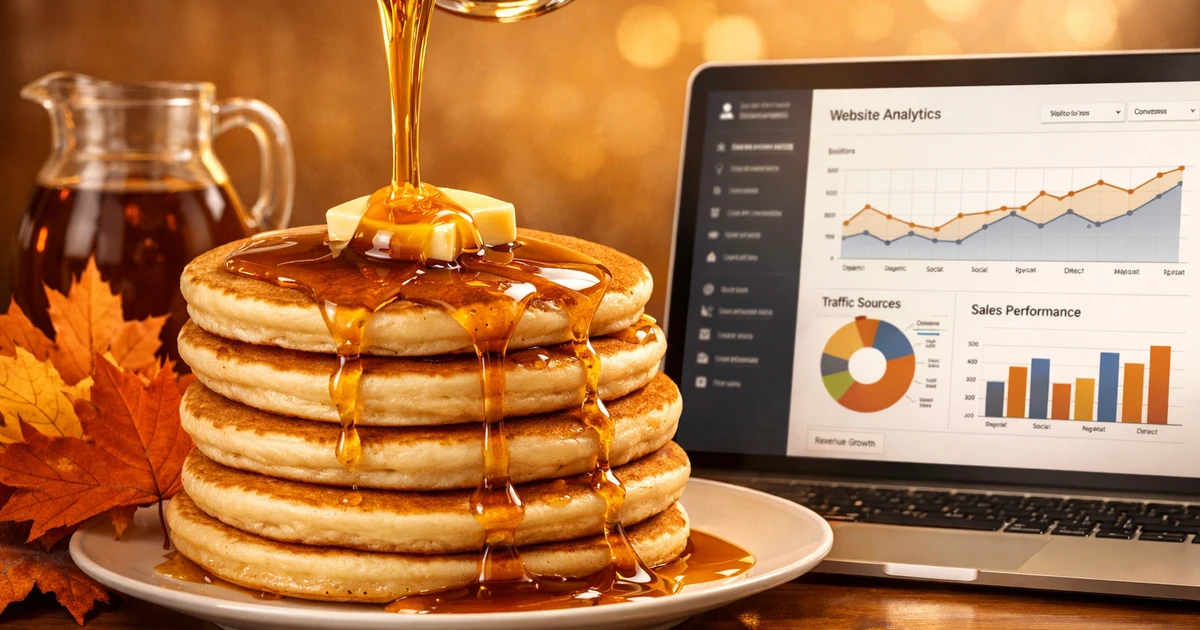
A strong maple syrup marketing guide helps food brands turn search demand into sales. Maple syrup has rich storytelling potential, seasonal demand, and clear buyer intent. The challenge is not just selling a bottle. The real goal is building trust, proving quality, and creating measurable revenue. This guide explains how maple syrup brands can use SEO, content, data analytics, lead generation, and AI-powered optimization to create high-quality results. A focused plan starts with tailor-made digital marketing strategies.
Key Takeaways
edited

- Maple syrup brands need clear positioning around quality, origin, taste, and use cases.
- SEO, ecommerce content, and AI-powered campaign optimization can turn seasonal demand into consistent lead generation.
- A tailor-made digital marketing strategy helps brands improve visibility, conversions, and repeat purchases.
Maple Syrup Marketing Guide: Why Digital Strategy Matters
Maple syrup buyers compare taste, purity, price, origin, and brand trust before purchasing. A strong digital strategy answers those questions early. It guides shoppers across search engines, social platforms, product pages, and email campaigns. It also builds confidence before buyers choose another syrup, retailer, or private label alternative at checkout.
Food buyers are more informed than ever. They search for pure maple syrup, compare organic maple syrup options, read labels, and look for recipes before they buy. This creates a clear opportunity. Brands can influence decisions long before checkout.
A strong strategy starts with clarity. Is your maple syrup premium, organic, local, family made, sustainable, or ideal for cooking? Each angle creates different content, keyword, and campaign opportunities.
Maple syrup marketing guide for positioning
A premium brand can focus on origin, grading, taste notes, and gifting. A health focused brand can explain natural sweeteners and recipe swaps. An ecommerce brand can promote bundles, subscriptions, and seasonal gift boxes.
Authoritative education also builds trust. The USDA maple syrup grading standards help buyers understand color, taste, and quality. Brands that explain these details clearly reduce purchase hesitation.
How Maple Syrup SEO Captures High Intent Buyers
Maple syrup SEO works best when brands target buyer questions, product comparisons, recipes, and commercial searches. By matching content to search intent, brands can rank for terms that attract shoppers at every stage. This supports early research, final purchase decisions, product page optimization, and stronger ecommerce lead generation over time.
Search behavior around maple syrup is diverse. Some users want to know whether it is healthier than sugar. Others want the best maple syrup for pancakes, coffee, baking, cocktails, or gifting. These searches reveal intent.
A smart SEO plan should include content for:
- Informational searches, such as what is pure maple syrup.
- Commercial searches, such as best organic maple syrup.
- Recipe searches, such as maple syrup glaze for salmon.
- Product searches, such as dark maple syrup gift box.
- Local searches, such as maple syrup near me.
Maple syrup SEO for buyer intent
Brands often make the mistake of optimizing only product pages. That limits visibility. Blog posts, recipe guides, comparison pages, and FAQ content can bring buyers into the funnel earlier.
For example, an article on using maple syrup in coffee can link to a product bundle. A guide to maple syrup grades can link to dark, amber, and golden varieties. This supports ecommerce conversion and builds topical authority.
Leadmetrics helps brands improve visibility through AI driven search engine optimization. With AI-powered keyword analysis and optimization, brands can identify content gaps, improve rankings, and convert organic traffic into lead generation opportunities.
Content That Builds Trust and Product Value
The best maple syrup content does more than describe a product. It teaches buyers how to choose, use, store, and enjoy it with confidence. Helpful guides improve trust, increase time on site, and give search engines stronger signals that your brand deserves visibility for relevant buyer questions and product comparisons.
Content should answer real buyer questions. A shopper may not understand the difference between golden, amber, dark, and very dark syrup. Another may wonder whether pure maple syrup is different from pancake syrup.
Clear explanations create confidence. According to the Cornell Maple Program, maple production depends on tree sap collection, boiling, filtering, and careful quality control. Explaining this process helps customers value the product.
Strong content ideas include:
- A beginner guide to maple syrup grades.
- Recipe collections for breakfast, marinades, desserts, and drinks.
- Storage tips for opened bottles.
- A comparison of pure maple syrup and artificial pancake syrup.
- Seasonal gift guides for holidays and corporate gifting.
- Behind the scenes stories from farms or producers.
- Sustainability content about forest management and sourcing.
Maple syrup marketing ideas for customer trust
Brands should also use content to handle objections. If buyers think the product is expensive, explain yield, production time, quality, and flavor concentration. If buyers worry about sugar, discuss serving size and use cases without making unsupported health claims.
This type of content supports trust and optimization. It also gives paid campaigns and social posts stronger landing pages. A recipe guide can attract early traffic. A product comparison page can support buyers closer to purchase.
Data Analytics and Lead Generation for Maple Syrup Growth
AI-powered data analytics helps maple syrup brands understand demand patterns, customer segments, content performance, and campaign efficiency. Instead of relying on guesswork, teams can use real customer behavior to improve positioning, ad spend, email timing, ecommerce conversion rates, and long term lead generation across each seasonal buying cycle with clarity.
Maple syrup demand often rises around holidays, winter recipes, gifting periods, and breakfast focused campaigns. Data analytics helps brands see which moments drive revenue. It also shows which channels deserve more investment.
For example, analytics may show that recipe traffic peaks before Thanksgiving. Gift bundle searches may increase in December. Customers who buy dark syrup may also return faster than first time buyers of smaller bottles.
These insights can improve:
- Seasonal ad planning.
- Product bundle strategy.
- Email campaign timing.
- Landing page optimization.
- Keyword prioritization.
- Customer retention campaigns.
AI-powered tools can analyze large datasets faster than manual reporting. They can identify which pages attract qualified visitors. They can also show which ads produce profitable sales and which content supports repeat purchases.
For maple syrup brands, this matters because margins, shipping costs, and seasonality affect profitability. A high traffic campaign is not enough. Brands need high-quality results that connect visibility with revenue.
Leadmetrics explains these principles in AI powered digital marketing for SMBs. The same approach applies to food brands that want efficient growth without wasting budget on broad campaigns.
Maple syrup marketing guide for lead capture
Lead generation should capture customer interest before and after purchase. Search brings shoppers in. Social content builds appetite. Email turns first time buyers into repeat customers through offers, recipes, subscriptions, and seasonal launches.
Effective lead generation can include:
- Recipe download forms.
- Seasonal gift guide signups.
- First order discount popups.
- Product quiz funnels.
- Corporate gifting inquiry forms.
- Subscription waitlists.
- Loyalty and referral programs.
Social media also plays a major role. Maple syrup is visual, sensory, and recipe friendly. Short videos can show syrup pours, glazes, cocktails, baking ideas, and breakfast boards. These formats can drive traffic to optimized landing pages.
Paid search can capture ready buyers. Paid social can create awareness and retarget website visitors. Email can bring people back when demand rises.
The key is integration. Each channel should support the next step. A user who watches a recipe video should see a relevant product page. A shopper who abandons checkout should receive a useful reminder. A holiday buyer should receive a future gift campaign.
Leadmetrics brings this together with AI lead generation for businesses. With optimization across search, social, and paid channels, brands can build a measurable growth engine.
Conclusion
A maple syrup marketing guide works best when it connects product storytelling with SEO, AI-powered data analytics, lead generation, and continuous optimization. Buyers want quality, clarity, and confidence before they purchase. Your strategy should answer their questions, guide their choices, and make repeat buying easy. With a tailor-made approach, maple syrup brands can turn seasonal interest into consistent demand and high-quality results. To find missed opportunities in content, tracking, ads, and conversion paths, request a marketing audit or book a demo today.
Leave a Reply