
11111111111111111111111111111111
Category: Uncategorized
-

RAM Complete Guide for Faster Business Performance
RAM decides how quickly your computer can work with active tasks. If your browser, CRM, spreadsheets, design tools, or AI powered marketing software feel slow, memory may be the hidden bottleneck. For business owners and marketing professionals, RAM is not just a technical specification. It affects workflow speed, data analytics, lead generation, campaign reporting, and daily productivity. This guide explains what RAM does, how much you need, and how to plan smart upgrades that support optimization and high quality results.
Key takeaways

- RAM stores active work so your system can switch tasks quickly.
- The right RAM capacity improves data analytics, creative production, automation, and lead generation workflows.
- Smart memory optimization helps teams avoid overspending while building faster business systems.
What RAM Does for Modern Business Systems
RAM, also called random access memory, gives your computer temporary workspace for active applications, open files, browser tabs, and background tools. More available memory helps systems respond faster when teams run marketing dashboards, analytics tools, CRM software, video calls, and AI powered platforms at the same time during busy workdays.
RAM is different from storage. Storage keeps files long term, while RAM handles what your device is using right now. When RAM runs out, your system borrows slower storage space, which can cause delays. This matters in marketing operations because teams often work across many live tools.
A campaign manager may use a CRM, ad platform, reporting dashboard, spreadsheet, and browser research at once. If your team is building AI powered workflows, explore how automation fits wider growth planning in this AI powered digital marketing guide.
For a simple definition, IBM explains computer memory as a key component that helps processors access active data quickly through computer memory concepts. In practical terms, RAM reduces waiting time between tasks. It helps people stay focused instead of losing time to frozen tabs, slow dashboards, or delayed file exports.
Microsoft lists 4 GB of RAM as a minimum requirement for Windows 11 in its Windows 11 device specifications. That figure is useful as a baseline, but business users usually need more headroom. Minimum requirements allow the system to run. They do not guarantee smooth multitasking across CRM tools, analytics dashboards, presentation software, and video calls.
Check these RAM capacity signals during a normal workday:
- Reports take too long to refresh.
- CRM pages lag during sales follow up.
- Design files slow down when several assets are open.
- Marketing automation tools delay while other apps run.
- Data analytics dashboards perform poorly during meetings.
- Browser tabs reload while switching between campaign tools.
You do not need to guess whether memory is the problem. Check your operating system performance monitor while your usual tools are open. If memory use stays close to full, your system may need more RAM. Common warning signs include slow file exports, delayed dashboard loading, poor video call stability, and sluggish creative software.
For technical readers who want to understand low level computing foundations, this 8086 assembly language guide gives useful context on how systems handle instructions and memory.
RAM Capacity, Speed, and Upgrade Planning
RAM performance depends on more than size. Speed, generation, latency, motherboard support, and processor compatibility all affect real outcomes. DDR5 memory can support modern workloads well, but the best choice depends on the full system, the role of each user, and the daily applications that create business value.
Businesses often focus only on capacity. That is understandable, but speed and compatibility also matter. A modern workstation may support DDR5 memory, while older systems may only support DDR4. Faster RAM can help certain workloads, but many everyday business tasks benefit more from having enough total capacity.
Optimization begins with the actual workflow. If your team mostly uses email, documents, CRM, and browser based dashboards, balanced capacity matters most. If you edit video, process large datasets, or run local AI tools, both capacity and speed become more important.
A simple role based plan is often better than a single company wide specification:
- Light office use may need modest RAM for email, documents, and calls.
- Marketing multitasking needs more headroom for tabs, CRM, and dashboards.
- Design, analytics, and video work need stronger capacity.
- Local AI workloads need careful workstation planning.
- Leadership devices should support smooth reporting and presentation workflows.
RAM upgrades can waste money when businesses buy incompatible modules, overspend on speed they cannot use, or ignore the real source of slow performance. A smart upgrade plan connects memory choices to workload needs, device limits, software demands, and measurable productivity gains before any purchase decision is made.
The biggest mistake is buying RAM without checking system support. Laptops and desktops have limits on memory type, capacity, and speed. Some laptops also have soldered memory that cannot be upgraded. Another mistake is assuming every slow device needs more RAM. Sometimes storage health, malware, browser extensions, or outdated software cause the issue.
Avoid these errors:
- Buying DDR5 memory for a DDR4 only device.
- Mixing incompatible RAM sizes or speeds without checking support.
- Upgrading memory when the storage drive is the real bottleneck.
- Ignoring warranty rules on business laptops.
- Buying premium modules for basic office tasks.
For broader digital growth, memory decisions should support the tools your team uses every day. If your operations rely on search visibility, content workflows, and campaign analysis, connect hardware planning with AI driven search engine optimization. The goal is not to buy the most expensive device. The goal is to remove friction from the systems that produce leads, insights, and revenue.
RAM for AI Powered Marketing and Data Analytics
Modern marketing teams depend on data analytics, automation, design tools, CRM systems, and lead generation platforms. RAM helps these applications stay responsive when teams compare campaign data, manage audiences, create content, and review performance. Better memory planning supports faster decisions, stronger optimization, and more consistent high quality results across business operations.
AI powered marketing does not only live in the cloud. Even cloud platforms need a responsive local device for browsing, reporting, uploading creative files, joining calls, and managing dashboards. When the device slows down, execution slows down. That delay affects campaign changes, sales follow up, and reporting accuracy.
McKinsey reported that 65 percent of surveyed organizations regularly used generative AI in 2024, nearly double the share from its previous survey, according to its State of AI research. This shift increases the need for reliable systems. Teams now review more data, test more content, and move between more platforms during everyday work.
A marketing professional may run several tasks at once:
- Review Google Ads performance.
- Export CRM leads.
- Analyse website traffic.
- Edit landing page copy.
- Prepare a client report.
- Join a strategy call.
- Use an AI powered tool to improve campaign messaging.
That multitasking needs enough RAM. It also needs a tailor made system setup. Lead generation teams can improve output when devices, workflows, and AI powered tools work together. For practical growth ideas, read this guide on AI lead generation for businesses.
Before you purchase RAM, ask direct questions. What tools does the user open every day? How many browser tabs stay active? Does the role involve design, video, spreadsheets, coding, or data analytics? Will the team use AI powered content, reporting, or optimization platforms more often next year?
Business context matters. A sales team, content team, and analytics team do not need the same setup. Strong technology planning should match role based needs, just like tailor made digital marketing strategies match goals, channels, and budgets.
A practical RAM review can include three steps. First, monitor memory usage during normal work. Second, group users by role and workload. Third, compare upgrade costs against time lost through slow tools. This keeps decisions direct, measurable, and linked to business outcomes.
Conclusion
RAM decisions should connect technology, team workflow, and growth planning. When businesses choose memory by role, avoid incompatible upgrades, and support AI powered marketing tools, they protect speed and productivity. The final step is ongoing optimization, where hardware, software, and data analytics work together to produce high quality results at scale.
RAM plays a direct role in business speed, data analytics, lead generation, and daily optimization. The best choice depends on workload, device compatibility, software demands, and future growth plans. Do not buy memory based only on a large number or a premium label. Start with how your team works, then match capacity and speed to real tasks. If your business wants AI powered marketing systems that deliver high quality results, pair better hardware decisions with smarter strategy. Visit the Leadmetrics blog for more practical growth guides.
-

gat 5 Marketing Lessons for Los Santos Growth Teams
gat 5 is often searched by players looking for GTA 5, but business owners can learn more than gameplay from its open world success. Los Santos works because it feels alive, responsive, and built around player intent. That same thinking applies to digital marketing. When brands use AI-powered systems, data analytics, lead generation, and optimization together, they can create tailor-made journeys that feel relevant at every touchpoint.
Key Takeaways

- gat 5 and Los Santos show how detailed audience journeys can improve attention, engagement, and retention.
- Marketers can use AI-powered data analytics to turn customer behaviour into tailor-made campaigns.
- High-quality results come from constant optimization, not one time campaign launches.
Why gat 5 Still Captures Marketing Attention
gat 5 remains relevant because it combines world building, user choice, repeat engagement, and cultural conversation in one experience. For marketers, the lesson is clear. Customers stay engaged when every interaction feels meaningful, timely, and connected to a larger journey across channels, content, offers, and community touchpoints that support measurable business growth.
The official Rockstar Games GTA V page shows how a lasting product can keep attracting attention through strong positioning and continuous visibility. The game does not rely on one message. It offers exploration, missions, status, entertainment, and identity.
Marketers can apply the same principle. A brand should not depend on one ad, one landing page, or one social post. It needs a connected ecosystem. That includes search visibility, social proof, automated follow up, and clear conversion paths.
This is where AI-powered marketing becomes practical. Instead of guessing what buyers want, businesses can study behaviour and build personalized campaigns. A structured approach like an AI-powered digital marketing test guide for growth helps teams test ideas before scaling spend.
How gat 5 Search Intent Reveals Buyer Behaviour
When someone types gat 5 instead of GTA 5, they may still expect the right result. That small search variation shows why businesses must understand intent, misspellings, related phrases, and real customer language. Strong optimization means matching how people actually search, not only how internal teams describe the offer.
Search behaviour is rarely clean. Customers use shortcuts, typos, local phrases, and incomplete questions. If a business ignores those signals, it misses demand. The same applies to people searching for products, services, or solutions.
For example, a customer may search “best AI marketing tool” one day and “how to get more leads” the next. Both searches can belong to the same buyer journey. AI-powered data analytics helps connect those scattered signals and turn them into practical lead generation actions.
Google processes trillions of searches each year, according to public statements from Google Search. Many of those searches include new phrases, partial questions, or evolving intent. That makes keyword optimization more than a ranking task. It becomes a way to understand customer demand before competitors respond.
What Los Santos Teaches About Customer Journeys
Los Santos works because every district, mission, and interaction feels connected to a broader experience. Businesses can use the same journey design mindset by mapping awareness, consideration, conversion, and retention into one measurable system supported by data analytics, lead generation planning, automation, and continuous campaign optimization across every important digital channel.
Los Santos gives players freedom, but it still guides them. There are missions, side activities, rewards, and reminders. A good marketing funnel should work the same way. It should never feel random.
A prospect may first discover your brand through a blog. Then they compare solutions, read testimonials, request an audit, and book a demo. Each step must feel natural and useful.
This is why brands need tailor-made digital marketing strategies rather than generic campaign templates. Leadmetrics supports tailor-made digital marketing strategies that connect channels and improve decision making.
Strong journey design also improves conversion quality. You attract people who understand your value, not just people who clicked an ad. The goal is not more traffic alone. The goal is more qualified movement through every stage of the customer path.
Think of your funnel like a city map. Search content may be one entry point. Paid ads may be another. Social media, referrals, and email can all bring people into the journey.
gat 5 Funnel Mapping for Better Lead Generation
The mistake many businesses make is treating these channels separately. That creates broken experiences. A user clicks an ad, reaches a weak landing page, and receives no useful follow up.
A better system uses shared data. Every touchpoint informs the next one. This approach supports optimization because your team sees what moves prospects forward. If your current funnel feels disconnected, a marketing test guide for AI-powered growth teams can help prioritize what to test first.
Here is a concrete example. A B2B software company may get 5,000 monthly website visits, but only 40 demo requests. That is a 0.8 percent visitor to demo rate. If the team improves landing page relevance, adds behaviour based email nurturing, and retargets high intent visitors, even a move to 1.5 percent can nearly double demo volume without increasing traffic.
That is why customer journey optimization matters. Small improvements across connected steps can create high-quality results. The best growth systems do not depend on one viral moment. They depend on clear paths, helpful prompts, and consistent learning.
Using Data Analytics Like an Open World Map
An open world game helps players make decisions through signals, locations, objectives, and feedback. Marketers need similar visibility. Data analytics turns scattered campaign activity into a clear map of what customers do, where they drop off, which messages create action, and which decisions produce high-quality results across lead generation campaigns.
In gat 5, players use maps, icons, and mission prompts to decide what to do next. Without those signals, the world would feel confusing. Marketing has the same problem when teams lack clean data.
Data analytics helps answer key questions:
- Which channels bring qualified leads?
- Which landing pages convert best?
- Which messages create engagement?
- Which campaigns waste budget?
- Which audiences deserve more focus?
These answers improve lead generation. They also reduce wasted effort. Instead of launching more campaigns, marketers can improve the right campaigns.
Take Two Interactive, the parent company behind Rockstar Games, maintains detailed investor relations reporting. This shows how important performance tracking is for major entertainment businesses. Marketing teams should adopt the same discipline at their own scale.
What gat 5 Can Teach About Campaign Signals
gat 5 also proves that engagement depends on feedback loops. Players act, receive rewards, and adjust their behaviour. Marketing campaigns should follow the same pattern by testing creative, offers, landing pages, audiences, and follow up sequences using measurable performance data.
Optimization is not a final step. It is the operating system for growth. Every campaign should produce learning, even when results are mixed.
For example, a low conversion landing page is not just a failure. It is a signal. The offer may be unclear. The call to action may be weak. The audience may need a different message.
A simple test can reveal the problem. If a landing page receives 1,000 visits and 20 enquiries, the conversion rate is 2 percent. If a stronger headline and clearer proof section lift enquiries to 35, the rate becomes 3.5 percent. That single page now generates 75 percent more leads from the same traffic.
AI-powered tools can help detect these patterns faster. They can compare campaign performance, identify drop off points, and suggest improvements. This supports high-quality results because decisions come from evidence. Businesses can also use an AI marketing audit to uncover hidden gaps across search, ads, social, and conversion paths.
Turning Entertainment Strategy Into Lead Generation
The business lesson from gat 5 is not about copying a game. It is about understanding why immersive systems work. Brands that combine audience insight, strong positioning, useful content, automation, and optimization can create marketing experiences that attract, nurture, and convert better leads while improving efficiency across every campaign cycle.
Entertainment brands understand attention. They create reasons for people to return. Businesses can do the same through useful content, smart remarketing, social engagement, and automated nurturing.
A simple lead generation system may include:
- Search content that answers real buyer questions
- Paid campaigns focused on high intent audiences
- Landing pages matched to each offer
- Email follow up based on behaviour
- Retargeting for warm prospects
- Reporting that shows pipeline impact
The key is consistency. A prospect should never wonder what to do next. Every asset should guide them toward a useful action.
This is also where AI-powered execution matters. Manual campaign management can become slow and inconsistent. With automation, teams can respond faster and keep campaigns aligned with customer behaviour.
Using gat 5 Engagement Lessons in Marketing Automation
A tailor-made system performs better because it reflects your audience, offer, market, budget, and sales process. Instead of copying generic tactics, businesses should build a repeatable growth engine that uses data analytics and optimization to improve each campaign cycle.
No two businesses need the exact same marketing plan. A local service brand, a B2B software company, and an ecommerce store each require different journeys. That is why generic strategies often fail.
A strong system starts with clear goals. Do you need more booked calls, demo requests, store visits, or qualified enquiries? Once that goal is clear, every campaign can be built backward from it.
For example, a local service business may prioritize Google Business visibility and maps optimization. A B2B company may focus on search content, retargeting, and nurture emails. An ecommerce brand may need product page optimization, paid search, and cart recovery. Each system uses different tactics, but the growth principle stays the same.
Leadmetrics supports AI-powered strategy, execution, and performance improvement. You can explore more insights on the Leadmetrics blog or review the platform approach through AI-driven search engine optimization. The goal is simple. Build a growth engine that learns, adapts, and improves.
Conclusion
gat 5 may look like an unusual marketing reference, but its success offers useful lessons. Los Santos shows the power of connected experiences, clear signals, audience choice, and constant feedback. Businesses can apply the same principles through AI-powered campaigns, data analytics, lead generation, tailor-made strategy, and ongoing optimization. If your marketing feels fragmented, now is the time to build a smarter system. Start with better insight, test consistently, and use automation to deliver high-quality results across every customer touchpoint. For a deeper next step, explore the AI-powered digital marketing test guide for growth.
-

Maple Syrup Marketing Guide for Modern Food Brands
A strong maple syrup marketing guide helps food brands turn search demand into sales. Maple syrup has rich storytelling potential, seasonal demand, and clear buyer intent. The challenge is not just selling a bottle. The real goal is building trust, proving quality, and creating measurable revenue. This guide explains how maple syrup brands can use SEO, content, data analytics, lead generation, and AI-powered optimization to create high-quality results. A focused plan starts with tailor-made digital marketing strategies.
Key Takeaways
edited

- Maple syrup brands need clear positioning around quality, origin, taste, and use cases.
- SEO, ecommerce content, and AI-powered campaign optimization can turn seasonal demand into consistent lead generation.
- A tailor-made digital marketing strategy helps brands improve visibility, conversions, and repeat purchases.
Maple Syrup Marketing Guide: Why Digital Strategy Matters
Maple syrup buyers compare taste, purity, price, origin, and brand trust before purchasing. A strong digital strategy answers those questions early. It guides shoppers across search engines, social platforms, product pages, and email campaigns. It also builds confidence before buyers choose another syrup, retailer, or private label alternative at checkout.
Food buyers are more informed than ever. They search for pure maple syrup, compare organic maple syrup options, read labels, and look for recipes before they buy. This creates a clear opportunity. Brands can influence decisions long before checkout.
A strong strategy starts with clarity. Is your maple syrup premium, organic, local, family made, sustainable, or ideal for cooking? Each angle creates different content, keyword, and campaign opportunities.
Maple syrup marketing guide for positioning
A premium brand can focus on origin, grading, taste notes, and gifting. A health focused brand can explain natural sweeteners and recipe swaps. An ecommerce brand can promote bundles, subscriptions, and seasonal gift boxes.
Authoritative education also builds trust. The USDA maple syrup grading standards help buyers understand color, taste, and quality. Brands that explain these details clearly reduce purchase hesitation.
How Maple Syrup SEO Captures High Intent Buyers
Maple syrup SEO works best when brands target buyer questions, product comparisons, recipes, and commercial searches. By matching content to search intent, brands can rank for terms that attract shoppers at every stage. This supports early research, final purchase decisions, product page optimization, and stronger ecommerce lead generation over time.
Search behavior around maple syrup is diverse. Some users want to know whether it is healthier than sugar. Others want the best maple syrup for pancakes, coffee, baking, cocktails, or gifting. These searches reveal intent.
A smart SEO plan should include content for:
- Informational searches, such as what is pure maple syrup.
- Commercial searches, such as best organic maple syrup.
- Recipe searches, such as maple syrup glaze for salmon.
- Product searches, such as dark maple syrup gift box.
- Local searches, such as maple syrup near me.
Maple syrup SEO for buyer intent
Brands often make the mistake of optimizing only product pages. That limits visibility. Blog posts, recipe guides, comparison pages, and FAQ content can bring buyers into the funnel earlier.
For example, an article on using maple syrup in coffee can link to a product bundle. A guide to maple syrup grades can link to dark, amber, and golden varieties. This supports ecommerce conversion and builds topical authority.
Leadmetrics helps brands improve visibility through AI driven search engine optimization. With AI-powered keyword analysis and optimization, brands can identify content gaps, improve rankings, and convert organic traffic into lead generation opportunities.
Content That Builds Trust and Product Value
The best maple syrup content does more than describe a product. It teaches buyers how to choose, use, store, and enjoy it with confidence. Helpful guides improve trust, increase time on site, and give search engines stronger signals that your brand deserves visibility for relevant buyer questions and product comparisons.
Content should answer real buyer questions. A shopper may not understand the difference between golden, amber, dark, and very dark syrup. Another may wonder whether pure maple syrup is different from pancake syrup.
Clear explanations create confidence. According to the Cornell Maple Program, maple production depends on tree sap collection, boiling, filtering, and careful quality control. Explaining this process helps customers value the product.
Strong content ideas include:
- A beginner guide to maple syrup grades.
- Recipe collections for breakfast, marinades, desserts, and drinks.
- Storage tips for opened bottles.
- A comparison of pure maple syrup and artificial pancake syrup.
- Seasonal gift guides for holidays and corporate gifting.
- Behind the scenes stories from farms or producers.
- Sustainability content about forest management and sourcing.
Maple syrup marketing ideas for customer trust
Brands should also use content to handle objections. If buyers think the product is expensive, explain yield, production time, quality, and flavor concentration. If buyers worry about sugar, discuss serving size and use cases without making unsupported health claims.
This type of content supports trust and optimization. It also gives paid campaigns and social posts stronger landing pages. A recipe guide can attract early traffic. A product comparison page can support buyers closer to purchase.
Data Analytics and Lead Generation for Maple Syrup Growth
AI-powered data analytics helps maple syrup brands understand demand patterns, customer segments, content performance, and campaign efficiency. Instead of relying on guesswork, teams can use real customer behavior to improve positioning, ad spend, email timing, ecommerce conversion rates, and long term lead generation across each seasonal buying cycle with clarity.
Maple syrup demand often rises around holidays, winter recipes, gifting periods, and breakfast focused campaigns. Data analytics helps brands see which moments drive revenue. It also shows which channels deserve more investment.
For example, analytics may show that recipe traffic peaks before Thanksgiving. Gift bundle searches may increase in December. Customers who buy dark syrup may also return faster than first time buyers of smaller bottles.
These insights can improve:
- Seasonal ad planning.
- Product bundle strategy.
- Email campaign timing.
- Landing page optimization.
- Keyword prioritization.
- Customer retention campaigns.
AI-powered tools can analyze large datasets faster than manual reporting. They can identify which pages attract qualified visitors. They can also show which ads produce profitable sales and which content supports repeat purchases.
For maple syrup brands, this matters because margins, shipping costs, and seasonality affect profitability. A high traffic campaign is not enough. Brands need high-quality results that connect visibility with revenue.
Leadmetrics explains these principles in AI powered digital marketing for SMBs. The same approach applies to food brands that want efficient growth without wasting budget on broad campaigns.
Maple syrup marketing guide for lead capture
Lead generation should capture customer interest before and after purchase. Search brings shoppers in. Social content builds appetite. Email turns first time buyers into repeat customers through offers, recipes, subscriptions, and seasonal launches.
Effective lead generation can include:
- Recipe download forms.
- Seasonal gift guide signups.
- First order discount popups.
- Product quiz funnels.
- Corporate gifting inquiry forms.
- Subscription waitlists.
- Loyalty and referral programs.
Social media also plays a major role. Maple syrup is visual, sensory, and recipe friendly. Short videos can show syrup pours, glazes, cocktails, baking ideas, and breakfast boards. These formats can drive traffic to optimized landing pages.
Paid search can capture ready buyers. Paid social can create awareness and retarget website visitors. Email can bring people back when demand rises.
The key is integration. Each channel should support the next step. A user who watches a recipe video should see a relevant product page. A shopper who abandons checkout should receive a useful reminder. A holiday buyer should receive a future gift campaign.
Leadmetrics brings this together with AI lead generation for businesses. With optimization across search, social, and paid channels, brands can build a measurable growth engine.
Conclusion
A maple syrup marketing guide works best when it connects product storytelling with SEO, AI-powered data analytics, lead generation, and continuous optimization. Buyers want quality, clarity, and confidence before they purchase. Your strategy should answer their questions, guide their choices, and make repeat buying easy. With a tailor-made approach, maple syrup brands can turn seasonal interest into consistent demand and high-quality results. To find missed opportunities in content, tracking, ads, and conversion paths, request a marketing audit or book a demo today.
-

gat 5 Marketing Lessons From Los Santos Growth Playbook
gat 5 is often searched by players looking for GTA 5, but business owners can learn more than gameplay from its open world success. Los Santos works because it feels alive, responsive, and built around player intent. That same thinking applies to digital marketing. When brands use AI powered systems, data analytics, lead generation, and optimization together, they can create tailor made journeys that feel relevant at every touchpoint.
Key Takeaways
- gat 5 and Los Santos show how detailed audience journeys can improve attention, engagement, and retention.
- Marketers can use AI powered data analytics to turn customer behaviour into tailor made campaigns.
- High quality results come from constant optimization, not one time campaign launches.
Why gat 5 Still Captures Marketing Attention
gat 5 remains relevant because it combines world building, user choice, repeat engagement, and cultural conversation in one experience. For marketers, the lesson is clear. Customers stay engaged when every interaction feels meaningful, timely, and connected to a larger journey across channels, content, offers, and community touchpoints.
The official Rockstar Games GTA V page shows how a lasting product can keep attracting attention through strong positioning and continuous visibility. The game does not rely on one message. It offers exploration, missions, status, entertainment, and identity.
Marketers can apply the same principle. A brand should not depend on one ad, one landing page, or one social post. It needs a connected ecosystem. That includes search visibility, social proof, automated follow up, and clear conversion paths.
This is where AI powered marketing becomes practical. Instead of guessing what buyers want, businesses can study behaviour and build personalized campaigns. A structured approach like an AI powered digital marketing test guide for growth helps teams test ideas before scaling spend.
When someone types gat 5 instead of GTA 5, they may still expect the right result. That small search variation shows why businesses must understand intent, misspellings, related phrases, and real customer language. Strong optimization means matching how people actually search, not only how internal teams describe the offer.
Search behaviour is rarely clean. Customers use shortcuts, typos, local phrases, and incomplete questions. If a business ignores those signals, it misses demand. The same applies to people searching for products, services, or solutions.
For example, a customer may search “best AI marketing tool” one day and “how to get more leads” the next. Both searches can belong to the same buyer journey. AI powered data analytics helps connect those scattered signals and turn them into practical lead generation actions.
What Los Santos Teaches About Customer Journeys
Los Santos works because every district, mission, and interaction feels connected to a broader experience. Businesses can use the same journey design mindset by mapping awareness, consideration, conversion, and retention into one measurable system supported by data analytics, lead generation planning, and continuous campaign optimization.
Los Santos gives players freedom, but it still guides them. There are missions, side activities, rewards, and reminders. A good marketing funnel should work the same way. It should never feel random.
A prospect may first discover your brand through a blog. Then they compare solutions, read testimonials, request an audit, and book a demo. Each step must feel natural and useful.
This is why brands need tailor made digital marketing strategies rather than generic campaign templates. Leadmetrics supports tailor made digital marketing strategies that connect channels and improve decision making.
Strong journey design also improves conversion quality. You attract people who understand your value, not just people who clicked an ad. The goal is not more traffic alone. The goal is more qualified movement through every stage of the customer path.
Think of your funnel like a city map. Search content may be one entry point. Paid ads may be another. Social media, referrals, and email can all bring people into the journey.
The mistake many businesses make is treating these channels separately. That creates broken experiences. A user clicks an ad, reaches a weak landing page, and receives no useful follow up.
A better system uses shared data. Every touchpoint informs the next one. This approach supports optimization because your team sees what moves prospects forward. If your current funnel feels disconnected, a marketing test guide for AI powered growth teams can help prioritize what to test first.
Using Data Analytics Like an Open World Map
An open world game helps players make decisions through signals, locations, objectives, and feedback. Marketers need similar visibility. Data analytics turns scattered campaign activity into a clear map of what customers do, where they drop off, and which actions create high quality results.
In gat 5, players use maps, icons, and mission prompts to decide what to do next. Without those signals, the world would feel confusing. Marketing has the same problem when teams lack clean data.
Data analytics helps answer key questions:
- Which channels bring qualified leads?
- Which landing pages convert best?
- Which messages create engagement?
- Which campaigns waste budget?
- Which audiences deserve more focus?
These answers improve lead generation. They also reduce wasted effort. Instead of launching more campaigns, marketers can improve the right campaigns.
Take Two Interactive, the parent company behind Rockstar Games, maintains detailed investor relations reporting. This shows how important performance tracking is for major entertainment businesses. Marketing teams should adopt the same discipline at their own scale.
gat 5 also proves that engagement depends on feedback loops. Players act, receive rewards, and adjust their behaviour. Marketing campaigns should follow the same pattern by testing creative, offers, landing pages, audiences, and follow up sequences using measurable performance data.
Optimization is not a final step. It is the operating system for growth. Every campaign should produce learning, even when results are mixed.
For example, a low conversion landing page is not just a failure. It is a signal. The offer may be unclear. The call to action may be weak. The audience may need a different message.
AI powered tools can help detect these patterns faster. They can compare campaign performance, identify drop off points, and suggest improvements. This supports high quality results because decisions come from evidence. Businesses can also use an AI marketing audit to uncover hidden gaps across search, ads, social, and conversion paths.
Turning Entertainment Strategy Into Lead Generation
The business lesson from gat 5 is not about copying a game. It is about understanding why immersive systems work. Brands that combine audience insight, strong positioning, useful content, automation, and optimization can create marketing experiences that attract, nurture, and convert better leads.
Entertainment brands understand attention. They create reasons for people to return. Businesses can do the same through useful content, smart remarketing, social engagement, and automated nurturing.
A simple lead generation system may include:
- Search content that answers real buyer questions
- Paid campaigns focused on high intent audiences
- Landing pages matched to each offer
- Email follow up based on behaviour
- Retargeting for warm prospects
- Reporting that shows pipeline impact
The key is consistency. A prospect should never wonder what to do next. Every asset should guide them toward a useful action.
This is also where AI powered execution matters. Manual campaign management can become slow and inconsistent. With automation, teams can respond faster and keep campaigns aligned with customer behaviour.
A tailor made system performs better because it reflects your audience, offer, market, budget, and sales process. Instead of copying generic tactics, businesses should build a repeatable growth engine that uses data analytics and optimization to improve each campaign cycle.
No two businesses need the exact same marketing plan. A local service brand, a B2B software company, and an ecommerce store each require different journeys. That is why generic strategies often fail.
A strong system starts with clear goals. Do you need more booked calls, demo requests, store visits, or qualified enquiries? Once that goal is clear, every campaign can be built backward from it.
Leadmetrics supports AI powered strategy, execution, and performance improvement. You can explore more insights on the Leadmetrics blog or review the platform approach through AI driven search engine optimization. The goal is simple. Build a growth engine that learns, adapts, and improves.
Conclusion
gat 5 may look like an unusual marketing reference, but its success offers useful lessons. Los Santos shows the power of connected experiences, clear signals, audience choice, and constant feedback. Businesses can apply the same principles through AI powered campaigns, data analytics, lead generation, tailor made strategy, and ongoing optimization. If your marketing feels fragmented, now is the time to build a smarter system. Start with better insight, test consistently, and use automation to deliver high quality results across every customer touchpoint. For a deeper next step, explore the AI powered digital marketing test guide for growth.
-

Tom and Jerry Mobile Gaming Guide for Faster Reactions
Tom and Jerry still feels fast because every chase is a test of timing, reaction, and control. That same energy fits modern mobile gaming, where one late input can decide a match. For redmagic fans, the classic cat and mouse formula is more than nostalgia. It is a simple way to understand speed, cooling, design, and player focus. In this guide, we break down what the chase teaches gamers about quick thinking, better setups, and a smoother global gaming experience.
Key Takeaways
- Tom and Jerry works because it turns speed, timing, and recovery into repeatable action.
- Mobile gaming rewards the same skills, especially fast reactions, smart positioning, and stable performance.
- redmagic hardware, cooling, and control tools help players build a stronger chase style experience.
Why Tom and Jerry Still Feels Like Gaming
The classic cat and mouse chase works because it rewards timing, awareness, and recovery, the same skills players use in mobile gaming. When you watch the screen like a ranked match, each trap, dodge, and comeback becomes a lesson in speed, control, and smart decision making under pressure during every round.
The show has lasted because the action is simple, visual, and instantly understood. According to the official Warner Bros Tom and Jerry page, the characters remain popular because their rivalry is built around constant motion and playful conflict. That is also how many great games work.
A chase scene has clear stakes. One character attacks, the other escapes, then the momentum flips. In gaming, that looks like a clutch retreat, a perfect counter, or a last second objective steal.
The best players do not only move fast. They read patterns. Tom often fails because he rushes without adapting. Jerry survives because he watches, waits, and uses the map. That mindset applies to shooters, racing games, fighting games, and battle royale matches.
If you enjoy tactical mobile play, the redmagic global store shows how the brand connects gaming phones, tablets, accessories, and control gear into one focused experience.
Tom and Jerry Timing Lessons for Mobile Gamers
Tom and Jerry timing works because every chase depends on reading movement before it happens. Mobile gamers can use the same idea by studying enemy routes, waiting for pressure moments, and choosing cleaner inputs. Strong timing turns raw speed into control, helping players avoid panic and dominate close fights.
Timing is the hidden skill behind every chase. Fast hands help, but the player who reads the next move first usually controls the fight. In mobile gaming, this means watching patterns, predicting danger, and acting before the screen becomes chaotic.
Think about a ranked shooter match. A rival peeks the same corner twice. A slower player reacts after seeing movement. A smarter player prepares the crosshair before the rival appears. That is chase logic in gaming form.
Use this mindset during every round:
- Watch routes before pushing.
- Notice repeated enemy habits.
- Keep your camera centered.
- Save key actions for pressure moments.
- Reset when the fight becomes messy.
Timing turns speed into control. It helps you dominate without wasting movement.
Build Faster Reactions and redmagic Control
Tom and Jerry style action teaches a core gaming truth. Reactions matter, but prediction matters more. Players who understand enemy movement, cooldown timing, route control, and pressure moments can move earlier, aim cleaner, and reduce mistakes before the screen becomes chaotic or the match begins to break down.
Fast reactions start before the input. The funniest chase moments often happen because Jerry sees danger before Tom finishes the plan. That is predictive play. In mobile gaming, predictive play helps you pre aim corners, rotate sooner, and avoid panic tapping.
A player with better timing can outperform a player with pure speed. This is why touch response, stable frames, and physical control options matter. If your phone stutters during a fight, your brain may react correctly, but your input arrives late.
For players who want more control, the REDMAGIC Shadow Blade Gamepad 3 can support a more console like mobile gaming feel. It is useful for players who prefer physical buttons during action games, cloud gaming, or longer sessions.
Tom and Jerry Reaction Checklist
A Tom and Jerry reaction checklist helps players separate true reflex problems from setup mistakes. Before competitive sessions, check your grip, thumb comfort, control layout, audio cues, and recovery habits. These small details improve gaming consistency because they keep your hands calm when a chase, fight, or objective moment becomes intense.
A chase based reaction style is not random. It depends on simple habits that keep your hands calm and your decisions clean. Before you blame your reflexes, check whether your setup and routine support fast play.
Use this checklist before competitive sessions:
- Watch movement before attacking.
- Learn where opponents escape.
- Keep your thumb position relaxed.
- Avoid wasting abilities too early.
- Use sound cues when available.
- Recover quickly after mistakes.
Recovery matters as much as reaction. Jerry rarely wins by never making mistakes. He wins because he recovers fast. In ranked matches, recovery means repositioning, healing, cooling down your nerves, and returning with a better angle.
Create a redmagic Gaming Setup for Chase Energy
A strong chase style setup needs more than a fast chipset. It needs a balanced design that supports cooling, battery endurance, display clarity, and precise inputs. redmagic focuses on gaming engineered hardware, so players can chase, dodge, fight, and recover with fewer distractions during long sessions across global mobile titles.
A great chase never stops for lag. Your gaming setup should aim for the same feeling. A good mobile gaming experience depends on four practical pillars.
Performance
Fast apps, quick loading, and smooth gameplay help you stay in control. On a gaming phone, performance is not just about peak power. It is about sustained FPS when the match lasts longer than expected.Cooling
Heat changes how a phone feels and performs. Active cooling and thermal design help reduce performance drops during long sessions. This is important when you play competitive games, emulation, or graphically intense titles.Control
Touch controls work for casual play, but serious players often want more options. Shoulder triggers, gamepads, and responsive screens help reduce input delay and improve comfort.Battery
A long chase needs power. Battery endurance and fast charging reduce the stress of playing while watching your percentage fall.The REDMAGIC 11S Pro is positioned around this complete gaming stack. Its listed features include Snapdragon 8 Elite Gen 5 Leading Version, RedCore R4 gaming chip, AquaCore liquid cooling, 7,500 mAh battery, 80W wired and wireless fast charging, 144Hz AMOLED display, and 520Hz shoulder triggers.
Those features matter because mobile gaming is not a single benchmark. It is a full match experience. Your phone must handle heat, response, display motion, touch input, and power draw at the same time.
Tom and Jerry Inspired Setup Routine
A Tom and Jerry inspired setup routine keeps your device ready before the chase starts. Players should tune controls, clean the display, check battery, confirm network strength, and activate gaming tools when available. This routine protects focus, supports smoother reactions, and reduces avoidable mistakes during long mobile gaming sessions.
Start with your control layout. Place your most used actions where your thumbs rest naturally. If you stretch too often, you increase mistakes. In shooters, keep aim, fire, crouch, jump, and reload within easy reach.
Next, tune your display settings. A higher refresh rate can make movement feel smoother when the game supports it. Brightness also matters. If the screen is too dim, tracking fast movement becomes harder.
Use this pre match routine:
- Close background apps.
- Check battery level.
- Confirm network strength.
- Clean the display.
- Set brightness for the room.
- Activate game mode if available.
- Test controls before ranked play.
This routine feels basic, but it reduces avoidable errors. Tom usually loses because one small detail goes wrong. Gamers lose the same way. A notification, low battery warning, warm device, or slippery grip can ruin an otherwise strong match.
Games and Setup Tips for Better Mobile Play
Fans of chase based comedy often enjoy games with pressure, quick decisions, and playful strategy. The best picks include mobile shooters, arena games, racing titles, platform games, and survival modes where movement, timing, and map awareness decide whether you dominate or get caught in the final moment.
If you like chase energy, look for games that reward movement and creativity. The theme is not just cartoons. It is the rhythm of pursuit and escape.
Good game types include:
- Battle royale games where rotation decides survival.
- Mobile shooters where peek timing wins fights.
- Racing games with sudden overtakes.
- Platform games with traps and movement puzzles.
- Fighting games where counters punish careless attacks.
- Strategy games where baiting creates advantage.
This is where a gaming phone can change the experience. A brighter display helps you track movement. Better cooling helps maintain sustained FPS. Faster controls help you react before the rival player finishes the attack.
If you play war strategy titles, the World War Games mobile guide can help you think about planning, positioning, and battlefield decisions. The same thinking applies to chase based play. You win by understanding pressure before it reaches you.
For long sessions, cooling accessories can also help. The REDMAGIC Cryo Cooler 8 Pro is designed for players who want extra thermal support when gameplay gets intense. That matters when one ranked push turns into several hours of matches.
Britannica notes that Tom and Jerry became famous for visual comedy, timing, and slapstick action. Those same ideas translate well to gaming because players instantly understand momentum. Someone is chasing. Someone is escaping. Someone is about to make a mistake.
Audio can help too. Many games use footsteps, reload sounds, engine noise, or ability cues. Use earphones when sound gives a competitive edge. Keep volume at a safe level, but make sure important cues are clear.
Your physical comfort matters during longer sessions. Use a case or grip that keeps the phone stable. Clean the screen before playing. Charge before long matches, and avoid starting ranked games with low battery.
redmagic builds around this reality. The brand message, Win More Games, works because winning depends on more than one spec. It depends on the complete gaming experience, from hardware design to cooling and control.
Conclusion: Tom and Jerry Energy, redmagic Control
Tom and Jerry remains useful for gamers because it makes performance easy to understand. The chase shows timing, pressure, recovery, and control in a playful way. In mobile gaming, those lessons become practical fast. Better cooling supports longer sessions. Better controls support cleaner inputs. Better design supports comfort and focus. If you want to push beyond every limit, build a setup that helps you react, recover, and dominate. Explore redmagic gear, refine your playstyle, and Win More Games with a smoother global gaming experience.
-

World War Games: Complete Guide for Mobile Players123
World war games bring strategy, pressure, and split second decisions into one intense gaming experience. For mobile players, the best titles are not only about battlefield action. They are about map awareness, resource control, timing, teamwork, and device performance. This guide explains how world war inspired games work, what makes them exciting, and how to build a smoother setup for serious play. If you want a stronger global gaming experience, the redmagic global gaming ecosystem gives players hardware built around speed, cooling, control, and design.
Key Takeaways
- World war games combine history inspired settings with tactical gameplay, shooter mechanics, and strategy based progression.
- Strong gaming hardware improves control, cooling, battery endurance, and sustained FPS during long matches.
- redmagic devices and accessories support a more focused global gaming experience for players who want to Win More Games.
Why World War Games Still Feel Competitive
World war games remain popular because they turn large scale conflict into structured missions, tactical choices, and high pressure objectives. Players need more than aim, since positioning, communication, timing, and reliable hardware all shape outcomes. The best sessions feel competitive because every decision connects strategy, teamwork, device performance, and respect for history inspired settings.
The appeal comes from scale. A world war setting can include infantry pushes, vehicle combat, defensive lines, aerial pressure, and resource based strategy. That variety gives players more ways to win.
Some games focus on first person shooting. Others use real time strategy, squad tactics, or base management. The common thread is decision making under pressure.
A good world war game rewards players who can read the battlefield. You need to know when to push, when to defend, and when to conserve resources. That is why many serious players choose gaming focused hardware instead of a regular phone.
What Makes World War Games Different
World war games stand apart because they combine tactical pressure with large scale objectives. A match can shift from close range action to long range planning in seconds.
That mix rewards players who stay calm, read the map, and use reliable gear. It also creates a stronger sense of progress because every squad move, upgrade, and defensive choice affects the wider mission.
The global audience for gaming is also massive. Newzoo estimated 3.42 billion players worldwide in 2024, showing why competitive mobile genres keep growing across regions. Within that audience, war themed shooters and strategy games attract players who want teamwork, tension, and tactical depth.
Historical themes add weight to the experience. Developers often draw inspiration from real events, weapons, uniforms, and locations. Players who want more context can explore trusted archives such as the Imperial War Museums to understand the history behind many game settings.
Responsible design also matters. War themed games should respect history and avoid treating real suffering as a simple spectacle. The International Committee of the Red Cross notes that international humanitarian law exists to limit the effects of armed conflict. That context can help players and creators approach war inspired content with more awareness.
For players who care about gaming history and innovation, the redmagic About page also explains the brand’s focus on performance, design, and global gaming hardware development.
World War Shooter Gameplay Needs Speed And Control
In world war shooter gameplay, reaction time matters because one delayed input can lose a lane, squad fight, or objective. Smooth touch response, shoulder triggers, audio clarity, and stable frame rates help players stay locked in. Better control never replaces skill, but it gives skilled players a dependable way to execute fast decisions.
Shooter gameplay demands fast inputs. You may need to aim, fire, crouch, reload, and change position almost at the same time. Touch only controls can feel crowded during intense fights.
This is where hardware based control helps. A device with responsive triggers can make aiming and firing feel more natural. Players who want console style comfort can explore the redmagic Shadow Blade Gamepad 3 for supported mobile games.
Audio matters too. Footsteps, reloads, vehicles, and nearby combat cues help players react before enemies appear. A good headset or low latency earphones can make the battlefield easier to read. Players who want wired audio for responsive gaming can also explore redmagic Magic Sound earphones.
World War Games Control Checklist
World war games often punish hesitation. A slow reload, missed tap, or dropped frame can break a push. That is why serious players look for hardware that supports quick reactions and sustained FPS during heavy scenes.
A strong control setup can include:
- Shoulder triggers for aim and fire actions.
- A gamepad for longer sessions and comfort.
- Clear audio gear for tactical awareness.
- A fast display for smoother target tracking.
- Stable cooling to reduce performance dips.
The goal is not to automate skill. The goal is to remove friction. When the device responds quickly, your decisions feel sharper.
For competitive mobile gaming, speed is not only about the processor. It is about the full chain from touch input to display response. When that chain feels instant, every match feels cleaner.
Mobile War Games Setup For Strategy And Long Sessions
A strong mobile war games setup balances performance, cooling, battery, visibility, and comfort for long sessions. Players often focus only on graphics settings, yet extended matches expose weak hardware quickly. Heat, battery drain, hand fatigue, and unstable FPS can reduce focus before the final objective, campaign mission, or alliance battle arrives.
The best setup starts with a gaming phone that can sustain performance. A regular flagship may run a demanding game well at first. The real test comes after thirty minutes of heavy action.
Cooling is a major factor. Heat can lead to frame drops, slower response, and uncomfortable grip. redmagic focuses on active cooling and gaming engineered design so players can keep pushing beyond every limit.
Battery is another key part of the setup. World war campaigns, ranked shooter sessions, and strategy battles can run long. A bigger battery and fast charging support reduce the pressure to stop early.
For players building a stronger mobile station, the redmagic 11S Pro is designed around performance, cooling, control, battery, and sustained FPS. It fits the needs of players who want a dedicated gaming experience rather than a phone that only happens to run games.
Best Settings For World War Game Sessions
The right settings can make world war game sessions smoother without sacrificing awareness. Start with a stable frame rate target, then adjust graphics quality based on heat and battery use.
Here is what to prioritize:
- A high refresh display for smoother tracking.
- Strong cooling for stable performance.
- Shoulder triggers or controller support for better control.
- Large battery capacity for longer sessions.
- Clear audio for tactical awareness.
- Enough storage for large games and updates.
World war strategy games look slower than shooters, but they still benefit from strong hardware. Large maps, many units, base upgrades, and online battles can strain a device. Smooth scrolling, faster loading, and a stable connection make planning easier.
Strategy games are about control at scale. You may manage troops, supply routes, production, research, and alliances. A laggy device can make that experience frustrating.
On mobile, small delays can affect timing. If the map stutters while you move units or switch menus, you lose clarity. If battery drains too quickly, long campaigns become harder to finish.
A larger display can improve visibility. It helps you read terrain, monitor resources, and react to movement across the map. Players who prefer big screen tactical play can explore the redmagic Astra Gaming Tablet for a broader gaming experience.
World war strategy also teaches patience. The best players do not always rush. They gather information, bait opponents, manage resources, and strike when the timing is right.
That mindset connects with redmagic design. The goal is not only peak speed. It is sustained performance when the battle gets long.
Choosing REDMAGIC For World War Gaming
Choosing a device for world war gaming means looking beyond benchmark numbers and launch day performance. The right gaming device should manage heat, hold frames, respond quickly, and stay comfortable through pressure. For serious players, the key question is whether the phone stays reliable when the match reaches its most demanding moment.
A world war game feels better when the device disappears into the action. You should focus on the mission, not on heat, lag, or battery warnings.
redmagic builds gaming hardware around that idea. Active cooling, high refresh displays, responsive controls, and performance focused chips are not just spec sheet details. They support practical gameplay outcomes.
Cooling keeps performance steadier during long sessions. For extra thermal support, players can consider redmagic cooling accessories such as the redmagic Cryo Cooler 8 Pro. This is especially useful for players who push demanding graphics settings.
Display quality also shapes immersion. A fast screen helps track enemy movement and follow rapid camera motion. If you play connected or want a wider view at your desk, the redmagic 4K Gaming Monitor can extend the setup beyond mobile.
A good device should match your play style. Shooter players need speed, triggers, audio, and smooth frames. Strategy players need battery life, screen clarity, and stable multitasking. Hybrid players need all of it.
If you play short casual matches, many modern phones can work. If you play ranked sessions, long campaigns, or high graphics modes, a gaming engineered phone makes more sense.
Look for these signs before choosing:
- Does the device have real cooling support?
- Can it maintain performance during long play?
- Is the display fast enough for action games?
- Does the battery support extended sessions?
- Are there accessories for control and comfort?
- Does the brand support a broader gaming ecosystem?
redmagic positions its devices for players who want more than standard phone performance. The brand focuses on speed, cooling, control, battery, and design for a global gaming audience.
That matters because world war games often combine visual intensity with tactical pressure. When the map fills with explosions, vehicles, and squad movement, weaker hardware can lose stability. Better hardware keeps your attention on the objective.
Conclusion
World war games continue to attract players because they mix history inspired settings with tactical depth, action, and strategy. To enjoy them fully, you need more than fast thumbs. You need stable performance, reliable cooling, strong control, clear visuals, and enough battery for long sessions. redmagic builds gaming engineered devices and accessories for players who want to dominate every match and Win More Games. If you are ready to push beyond every limit, explore the redmagic comparison page or shop the redmagic 11S Pro to build a setup that matches your ambition.
-
Mango Marketing Strategy Complete Guide for Growth
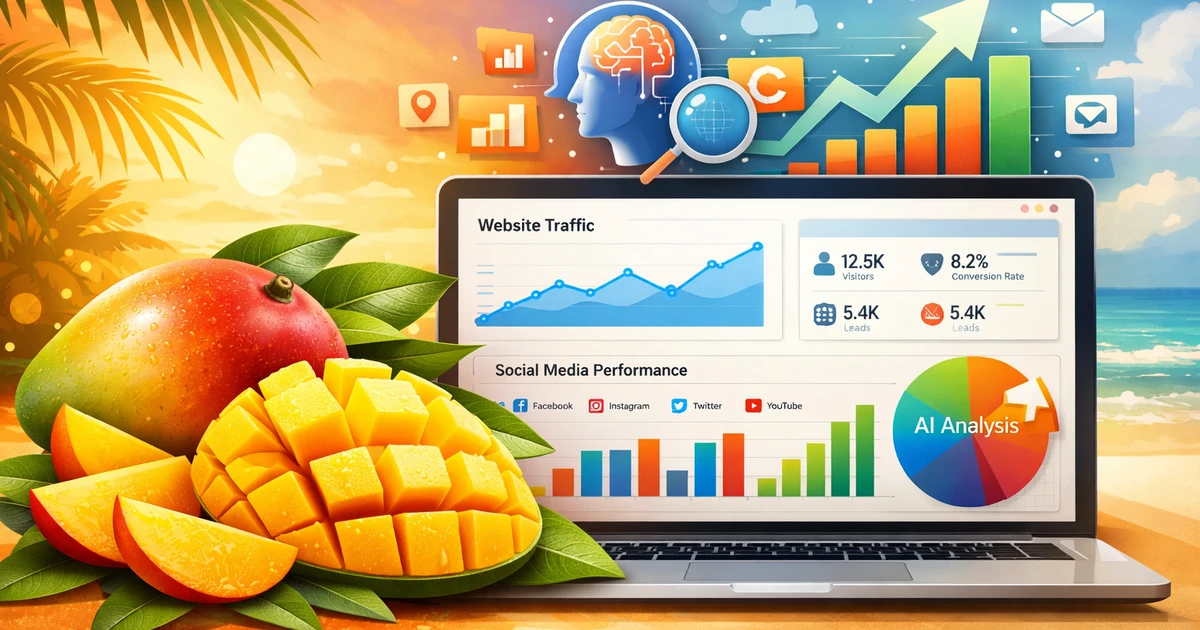
Mango marketing strategy matters when a product is loved, seasonal, visual, and highly competitive. Business owners, growers, distributors, cafes, ecommerce stores, and food brands need more than attractive images to win attention. They need clear positioning, data analytics, lead generation, and optimization across every channel. This guide explains how to turn mango demand into measurable growth using AI powered planning, tailor made campaigns, and practical digital marketing systems that deliver high quality results. For more practical growth ideas, explore the Leadmetrics marketing blog.
Key takeaways
edited

- A strong mango marketing strategy starts with buyer intent, seasonality, and clear audience segmentation.
- AI powered tools improve content planning, lead generation, campaign optimization, and customer follow up.
- Mango brands can grow faster by combining SEO, social proof, paid ads, and conversion focused landing pages.
Mango Marketing Strategy Starts With Demand Signals
The best mango marketing strategy begins with understanding when people search, why they buy, and what proof they need before choosing a seller. Demand can shift by season, location, price, freshness, gifting needs, and delivery speed, so brands must use data analytics before creating content, ads, offers, or lead generation campaigns.
A mango business should first map demand signals across search, social media, marketplaces, and customer conversations. For example, a grocery brand may notice searches for ripe mango delivery during peak season, while a restaurant may see higher interest in mango desserts before summer menus launch.
Use these signals to decide what to promote. Do not market every mango product in the same way. Fresh mango boxes, pulp, smoothies, desserts, and corporate gift packs all need different messages.
A practical demand map should include:
- Buyer type, such as household, restaurant, retailer, or gift buyer
- Buying trigger, such as taste, freshness, price, origin, or convenience
- Channel preference, such as Google Search, Instagram, WhatsApp, or ecommerce
- Conversion path, such as call, form, checkout, or store visit
According to FAOSTAT crop data, mangoes sit within a large global agricultural category with strong international relevance. That means competition is not only local. Even small brands need a professional digital presence.
If your team wants an AI powered system for search visibility, Leadmetrics digital marketing services can support keyword planning, content optimization, and performance tracking for competitive markets.
Mango Marketing Strategy Buyer Personas
Seasonal campaigns work better when each mango buyer persona receives a message that matches their intent. A family may care about sweetness and ripeness, while a retailer may care about supply consistency, margin, and delivery. Persona based planning helps brands build tailor made promotions instead of generic posts that fail to convert.
Start with three or four buyer personas. Keep them simple, but specific. A household buyer may search for how to buy sweet mangoes online. A cafe owner may search for bulk mango pulp supplier. A corporate buyer may want premium mango gift boxes.
Each persona needs its own offer and landing page message. For example, a household buyer responds to freshness, reviews, and same day delivery. A cafe owner needs bulk pricing, quality assurance, and repeat supply options.
This approach also improves paid advertising. Instead of one campaign for everyone, create separate ad groups for each intent. That makes campaign optimization easier because you can see which audience delivers the best return.
Build a Mango Content Engine for Search and Trust
Content helps mango brands answer buyer questions before competitors do. Search optimized articles, product pages, recipes, buying guides, and comparison content can improve visibility while building trust. The goal is not just traffic. The goal is to guide interested buyers toward enquiries, orders, subscriptions, store visits, or repeat purchases.
A strong content engine answers real questions. People may ask what type of mango is sweetest, how to store mangoes, where to buy mangoes online, or whether mango pulp is good for restaurants. Each question can become a content asset.
Google recommends creating helpful, reliable, people first content through its Search Central fundamentals. For mango businesses, this means content should be specific, useful, and based on genuine product knowledge.
Examples of useful mango content include:
- A buying guide for choosing ripe mangoes
- A comparison of mango varieties by taste and use
- A recipe page for mango smoothies and desserts
- A supplier page for hotels, cafes, and restaurants
- A seasonal preorder page for premium mango boxes
This is where AI powered marketing becomes efficient. AI can find search patterns, cluster topics, and recommend updates. Human teams should still verify claims, add product expertise, and keep the brand voice authentic.
Mango Marketing Strategy SEO Questions
Mango SEO content should match the exact questions buyers ask before purchase. Searchers want practical answers about freshness, taste, price, origin, delivery, storage, and usage. When content directly answers those questions, it attracts qualified visitors and creates a smoother path from discovery to lead generation or online purchase.
Do not create content only around high volume terms. Use detailed buyer questions too. A customer who searches where to buy fresh mangoes for office gifting has stronger intent than someone who only searches mango.
Good search topics include:
- How to market mangoes online during peak season
- Best way to sell mango gift boxes to businesses
- How to promote fresh mango delivery locally
- What mango variety is best for smoothies
- How restaurants can buy mango pulp in bulk
Each page should have a clear call to action. For example, a blog about mango storage can invite readers to order a fresh box. A guide for cafes can include a supplier enquiry form.
A clean site structure also matters. Link recipe pages to product pages. Link variety guides to ordering pages. Link B2B content to bulk enquiry forms. These internal paths turn education into conversion.
Use Data Analytics to Improve Mango Lead Generation
Data analytics turns mango marketing from guesswork into measurable action. Instead of judging campaigns by likes or impressions alone, brands can track which keywords, ads, offers, locations, and landing pages generate real enquiries. This improves lead generation, reduces wasted budget, and helps teams focus on channels that create high quality results.
Lead generation for mango brands can include order forms, retailer enquiries, WhatsApp clicks, catering requests, newsletter signups, and demo style requests for wholesale buyers. The right conversion depends on the business model.
Track every important action. If people call after seeing a Google ad, track calls. If restaurants request price lists, track form submissions. If customers abandon checkout, track the drop off point.
Useful metrics include:
- Cost per lead
- Conversion rate by landing page
- Search term performance
- Repeat purchase rate
- Average order value
- Revenue by campaign
- Enquiry quality by audience segment
Data also reveals weak points. A campaign may get many clicks but few leads. That could mean the landing page lacks trust signals, price clarity, or delivery information. Optimization should focus on the problem, not just the ad.
For companies that want more automated lead capture, an AI marketing audit can help reveal gaps in tracking, content, ads, and conversion paths.
Mango Marketing Strategy Channel Optimization
Mango campaign optimization should connect search, social media, email, landing pages, and retargeting into one growth system. A buyer may discover a mango brand on Instagram, compare options on Google, read reviews, and return through an ad. Tracking this journey helps teams spend smarter and improve every conversion step.
A practical mango campaign can run across four stages.
First, attract attention with visual content. Mangoes are colourful, emotional, and highly shareable. Use close up product visuals, recipe videos, harvest stories, and customer reviews.
Second, capture intent through search campaigns. People actively looking for fresh mango delivery or bulk mango supplier are closer to purchase.
Third, build trust with proof. Show sourcing details, freshness standards, testimonials, delivery areas, and refund policies. If your brand has strong customer feedback, place it where buyers make decisions. Leadmetrics also highlights the value of trust through its client testimonials.
Fourth, retarget interested users. Someone who viewed a mango gift box page may return if they see a limited season offer.
This is where tailor made digital marketing strategies work better than fixed templates. Every mango business has different margins, locations, stock cycles, and buyer groups.
Convert Mango Interest Into Sales With Better Landing Pages
Traffic alone does not grow a mango business. Landing pages must explain the offer quickly, remove uncertainty, and make the next action simple. Whether the goal is online orders, wholesale enquiries, or store visits, the page should combine persuasive copy, proof, fast loading, and clear conversion focused design.
A landing page for mango sales should answer five questions immediately.
- What mango product is available?
- Why is it better or different?
- Where can customers get it?
- How fresh is it?
- What should they do next?
For B2C pages, use product images, delivery details, pricing, reviews, and simple ordering. For B2B pages, include bulk supply details, minimum order quantity, certifications if available, and a short enquiry form.
Avoid asking for too much information. A wholesale lead form may need name, business type, phone, location, and quantity. It does not need a long questionnaire at the first step.
Landing pages also need trust signals. These can include customer photos, restaurant logos, harvest details, quality checks, and clear support information. Small improvements can lift conversion rates without increasing ad spend.
If your brand already has traffic but few enquiries, review your content, tracking, page speed, and offer clarity before increasing budget. Strong optimization makes every visit more valuable.
FAQs About Mango Marketing Strategy
Business owners often ask how to promote mango products online without wasting money. The answer depends on audience, location, margin, seasonality, and sales channel. A focused mango marketing strategy uses search intent, social proof, data analytics, and lead generation workflows to turn short seasonal demand into repeat business.
What is the best way to market mangoes online?
The best way is to combine search visibility, strong visuals, clear offers, and simple conversion paths. Use SEO content for buyer questions, social media for visual demand, and paid ads for high intent searches.
How can mango sellers get more wholesale leads?
Create dedicated B2B landing pages for restaurants, retailers, cafes, and corporate buyers. Add pricing guidance, supply capacity, delivery areas, and a short enquiry form. Then use lead generation campaigns to reach high intent buyers.
Can AI powered marketing help seasonal mango businesses?
Yes. AI powered tools can forecast content opportunities, group keywords, optimize campaigns, and identify weak conversion points. Human expertise still matters because freshness, sourcing, and customer trust require real brand knowledge.
Conclusion: Turn Mango Demand Into Measurable Growth
A profitable mango marketing strategy connects audience insight, content, data analytics, lead generation, and continuous optimization. Brands that plan around buyer intent can create high quality results during peak season and beyond. With AI powered systems and tailor made campaigns, mango businesses can compete more efficiently and convert interest into sales.
Mango marketing strategy works best when every channel supports a clear buyer journey. Start with demand signals, define buyer personas, publish helpful content, build stronger landing pages, and use data analytics to improve each campaign. This approach turns short seasonal interest into better lead generation and more repeat sales. Mango demand is real, but attention moves fast in crowded markets. If you want a smarter growth system built for measurable optimization, contact Leadmetrics to plan your next AI powered campaign.
-

Tom and Jerry Mobile Gaming Guide for Faster Reactions
Tom and Jerry still feels fast because every chase is a test of timing, reaction, and control. That same energy fits modern mobile gaming, where one late input can decide a match. For redmagic fans, the classic cat and mouse formula is more than nostalgia. It is a simple way to understand speed, cooling, design, and player focus. In this guide, we break down what the chase teaches gamers about quick thinking, better setups, and a smoother global gaming experience.
Key Takeaways
- Tom and Jerry works because it turns speed, timing, and recovery into repeatable action.
- Mobile gaming rewards the same skills, especially fast reactions, smart positioning, and stable performance.
- redmagic hardware, cooling, and control tools help players build a stronger chase style experience.
Why Tom and Jerry Still Feels Like Gaming
The classic cat and mouse chase works because it rewards timing, awareness, and recovery, the same skills players use in mobile gaming. When you watch the screen like a ranked match, each trap, dodge, and comeback becomes a lesson in speed, control, and smart decision making under pressure during every round.
The show has lasted because the action is simple, visual, and instantly understood. According to the official Warner Bros Tom and Jerry page, the characters remain popular because their rivalry is built around constant motion and playful conflict. That is also how many great games work.
A chase scene has clear stakes. One character attacks, the other escapes, then the momentum flips. In gaming, that looks like a clutch retreat, a perfect counter, or a last second objective steal.
The best players do not only move fast. They read patterns. Tom often fails because he rushes without adapting. Jerry survives because he watches, waits, and uses the map. That mindset applies to shooters, racing games, fighting games, and battle royale matches.
If you enjoy tactical mobile play, the redmagic global store shows how the brand connects gaming phones, tablets, accessories, and control gear into one focused experience.
Tom and Jerry Timing Lessons for Mobile Gamers
Tom and Jerry timing works because every chase depends on reading movement before it happens. Mobile gamers can use the same idea by studying enemy routes, waiting for pressure moments, and choosing cleaner inputs. Strong timing turns raw speed into control, helping players avoid panic and dominate close fights.
Timing is the hidden skill behind every chase. Fast hands help, but the player who reads the next move first usually controls the fight. In mobile gaming, this means watching patterns, predicting danger, and acting before the screen becomes chaotic.
Think about a ranked shooter match. A rival peeks the same corner twice. A slower player reacts after seeing movement. A smarter player prepares the crosshair before the rival appears. That is chase logic in gaming form.
Use this mindset during every round:
- Watch routes before pushing.
- Notice repeated enemy habits.
- Keep your camera centered.
- Save key actions for pressure moments.
- Reset when the fight becomes messy.
Timing turns speed into control. It helps you dominate without wasting movement.
Build Faster Reactions and redmagic Control
Tom and Jerry style action teaches a core gaming truth. Reactions matter, but prediction matters more. Players who understand enemy movement, cooldown timing, route control, and pressure moments can move earlier, aim cleaner, and reduce mistakes before the screen becomes chaotic or the match begins to break down.
Fast reactions start before the input. The funniest chase moments often happen because Jerry sees danger before Tom finishes the plan. That is predictive play. In mobile gaming, predictive play helps you pre aim corners, rotate sooner, and avoid panic tapping.
A player with better timing can outperform a player with pure speed. This is why touch response, stable frames, and physical control options matter. If your phone stutters during a fight, your brain may react correctly, but your input arrives late.
For players who want more control, the REDMAGIC Shadow Blade Gamepad 3 can support a more console like mobile gaming feel. It is useful for players who prefer physical buttons during action games, cloud gaming, or longer sessions.
Tom and Jerry Reaction Checklist
A Tom and Jerry reaction checklist helps players separate true reflex problems from setup mistakes. Before competitive sessions, check your grip, thumb comfort, control layout, audio cues, and recovery habits. These small details improve gaming consistency because they keep your hands calm when a chase, fight, or objective moment becomes intense.
A chase based reaction style is not random. It depends on simple habits that keep your hands calm and your decisions clean. Before you blame your reflexes, check whether your setup and routine support fast play.
Use this checklist before competitive sessions:
- Watch movement before attacking.
- Learn where opponents escape.
- Keep your thumb position relaxed.
- Avoid wasting abilities too early.
- Use sound cues when available.
- Recover quickly after mistakes.
Recovery matters as much as reaction. Jerry rarely wins by never making mistakes. He wins because he recovers fast. In ranked matches, recovery means repositioning, healing, cooling down your nerves, and returning with a better angle.
Create a redmagic Gaming Setup for Chase Energy
A strong chase style setup needs more than a fast chipset. It needs a balanced design that supports cooling, battery endurance, display clarity, and precise inputs. redmagic focuses on gaming engineered hardware, so players can chase, dodge, fight, and recover with fewer distractions during long sessions across global mobile titles.
A great chase never stops for lag. Your gaming setup should aim for the same feeling. A good mobile gaming experience depends on four practical pillars.
Performance
Fast apps, quick loading, and smooth gameplay help you stay in control. On a gaming phone, performance is not just about peak power. It is about sustained FPS when the match lasts longer than expected.Cooling
Heat changes how a phone feels and performs. Active cooling and thermal design help reduce performance drops during long sessions. This is important when you play competitive games, emulation, or graphically intense titles.Control
Touch controls work for casual play, but serious players often want more options. Shoulder triggers, gamepads, and responsive screens help reduce input delay and improve comfort.Battery
A long chase needs power. Battery endurance and fast charging reduce the stress of playing while watching your percentage fall.The REDMAGIC 11S Pro is positioned around this complete gaming stack. Its listed features include Snapdragon 8 Elite Gen 5 Leading Version, RedCore R4 gaming chip, AquaCore liquid cooling, 7,500 mAh battery, 80W wired and wireless fast charging, 144Hz AMOLED display, and 520Hz shoulder triggers.
Those features matter because mobile gaming is not a single benchmark. It is a full match experience. Your phone must handle heat, response, display motion, touch input, and power draw at the same time.
Tom and Jerry Inspired Setup Routine
A Tom and Jerry inspired setup routine keeps your device ready before the chase starts. Players should tune controls, clean the display, check battery, confirm network strength, and activate gaming tools when available. This routine protects focus, supports smoother reactions, and reduces avoidable mistakes during long mobile gaming sessions.
Start with your control layout. Place your most used actions where your thumbs rest naturally. If you stretch too often, you increase mistakes. In shooters, keep aim, fire, crouch, jump, and reload within easy reach.
Next, tune your display settings. A higher refresh rate can make movement feel smoother when the game supports it. Brightness also matters. If the screen is too dim, tracking fast movement becomes harder.
Use this pre match routine:
- Close background apps.
- Check battery level.
- Confirm network strength.
- Clean the display.
- Set brightness for the room.
- Activate game mode if available.
- Test controls before ranked play.
This routine feels basic, but it reduces avoidable errors. Tom usually loses because one small detail goes wrong. Gamers lose the same way. A notification, low battery warning, warm device, or slippery grip can ruin an otherwise strong match.
Games and Setup Tips for Better Mobile Play
Fans of chase based comedy often enjoy games with pressure, quick decisions, and playful strategy. The best picks include mobile shooters, arena games, racing titles, platform games, and survival modes where movement, timing, and map awareness decide whether you dominate or get caught in the final moment.
If you like chase energy, look for games that reward movement and creativity. The theme is not just cartoons. It is the rhythm of pursuit and escape.
Good game types include:
- Battle royale games where rotation decides survival.
- Mobile shooters where peek timing wins fights.
- Racing games with sudden overtakes.
- Platform games with traps and movement puzzles.
- Fighting games where counters punish careless attacks.
- Strategy games where baiting creates advantage.
This is where a gaming phone can change the experience. A brighter display helps you track movement. Better cooling helps maintain sustained FPS. Faster controls help you react before the rival player finishes the attack.
If you play war strategy titles, the World War Games mobile guide can help you think about planning, positioning, and battlefield decisions. The same thinking applies to chase based play. You win by understanding pressure before it reaches you.
For long sessions, cooling accessories can also help. The REDMAGIC Cryo Cooler 8 Pro is designed for players who want extra thermal support when gameplay gets intense. That matters when one ranked push turns into several hours of matches.
Britannica notes that Tom and Jerry became famous for visual comedy, timing, and slapstick action. Those same ideas translate well to gaming because players instantly understand momentum. Someone is chasing. Someone is escaping. Someone is about to make a mistake.
Audio can help too. Many games use footsteps, reload sounds, engine noise, or ability cues. Use earphones when sound gives a competitive edge. Keep volume at a safe level, but make sure important cues are clear.
Your physical comfort matters during longer sessions. Use a case or grip that keeps the phone stable. Clean the screen before playing. Charge before long matches, and avoid starting ranked games with low battery.
redmagic builds around this reality. The brand message, Win More Games, works because winning depends on more than one spec. It depends on the complete gaming experience, from hardware design to cooling and control.
Conclusion: Tom and Jerry Energy, redmagic Control
Tom and Jerry remains useful for gamers because it makes performance easy to understand. The chase shows timing, pressure, recovery, and control in a playful way. In mobile gaming, those lessons become practical fast. Better cooling supports longer sessions. Better controls support cleaner inputs. Better design supports comfort and focus. If you want to push beyond every limit, build a setup that helps you react, recover, and dominate. Explore redmagic gear, refine your playstyle, and Win More Games with a smoother global gaming experience.
-
Friday Sale Marketing Guide for Smarter Lead Generation
A Friday sale can create fast demand, but traffic alone does not build revenue. Many businesses discount products, boost ads, and post on social media without a clear lead generation system behind the campaign. The result is short term attention with weak follow up. This guide explains how to plan a Friday campaign using AI powered digital marketing, automation, and channel optimization so your campaign attracts qualified leads and improves ROI.
Key Takeaways
- A successful Friday promotion needs more than a discount. It needs audience targeting, digital asset optimization, and conversion tracking.
- AI powered marketing helps businesses plan offers, automate execution, and improve lead generation across search, paid media, and social channels.
- Platforms like Leadmetrics AI help connect campaigns, analytics, CRM visibility, and ROI reporting in one digital marketing workflow.
Why a Friday Sale Needs a Lead Generation Strategy
A Friday promotion works best when every click has a next step, every offer has a target audience, and every campaign channel supports lead generation. Instead of treating the sale as a short promotion, businesses should build a complete digital marketing system that captures demand, qualifies interest, and follows up with prospects after the campaign ends.
A discount can bring attention, but attention does not always become revenue. The real value of a Friday campaign comes from the leads, customer insights, and remarketing audiences it creates. For example, an education provider can promote a limited admission consultation, while a real estate business can drive site visits and inquiry calls. Both need landing pages, forms, tracking, CRM updates, and follow up automation.
Set one Friday sale conversion goal
Start by defining one clear campaign goal. Do you want product purchases, demo bookings, quote requests, store visits, WhatsApp inquiries, or newsletter signups? Once the goal is clear, every channel can support it. Your website, Google Ads, organic search, Google Business Profile, and social media should all point toward the same conversion action.
Businesses can also use AI driven search engine optimization to prepare campaign pages before sale traffic arrives. This helps search engines understand the offer, category, location, and user intent. It also improves the chance of attracting buyers who are already searching for deals, business solutions, or service discounts.
Google has repeatedly highlighted that shoppers research across several digital touchpoints before they decide. Its consumer shopping behavior insights show why brands must support discovery, comparison, and action across search, ads, websites, and local listings. The same behaviour appears in B2B and local service markets. People compare value, credibility, reviews, availability, and response speed.
That means your Friday campaign must answer questions quickly and make the next step simple. A visitor should instantly understand the offer, trust the brand, and know what to do next. If the buyer has to search for pricing, contact details, location, or booking options, the campaign loses momentum.
Build a Friday Sale Offer Around Qualified Leads
A strong Friday sale offer should attract the right buyer, not just the highest number of visitors. The best campaigns connect offer design with lead quality, customer intent, and measurable ROI. This helps marketing teams avoid low value inquiries and focus on prospects who are more likely to convert after the campaign.
The offer is the center of your campaign. It should be specific, time bound, and easy to understand. A generic message like “big discount today” creates curiosity, but it does not explain why a buyer should act now. A stronger offer connects urgency with a clear business benefit.
For example, an SMB software company can offer a free growth audit for the first fifty demo requests. A healthcare clinic can promote a Friday consultation slot campaign. A retailer can offer a bundle deal tied to loyalty signup. A local service business can create a limited booking window for high demand appointments.
Use these questions before launching your offer:
- Who is the ideal lead for this campaign?
- What problem does the offer solve?
- What action should the visitor take?
- What data should the form collect?
- What follow up happens after submission?
- Which channel will likely bring the best qualified leads?
This planning step helps prevent wasted media spend. It also supports better segmentation. A visitor who downloads a guide may need nurturing, while a visitor who books a demo needs fast sales follow up.
Leadmetrics focuses on AI powered digital marketing and lead generation because campaign performance depends on the full journey. If you want a deeper framework for improving lead quality, read this related guide on a framework for smarter AI lead generation.
Make your Friday sale offer qualify intent
A Friday offer should also protect margin. Heavy discounts can create demand, but they may attract poor fit buyers if the offer is too broad. Instead, design an offer that filters for intent. A free audit, limited consultation, demo bonus, priority booking, or value added bundle can bring stronger leads than a flat price cut.
This is especially important for startups, SMBs, healthcare providers, real estate businesses, education providers, and financial service teams. These businesses often need qualified leads, not casual browsers. Their campaign success depends on inquiry quality, follow up speed, and conversion visibility.
Use AI Powered Digital Marketing to Coordinate Channels
AI powered digital marketing helps teams move faster during a Friday sale by automating content planning, campaign optimization, audience analysis, and lead tracking. This matters because sale periods are short. Businesses need to adjust bids, creatives, landing pages, and follow up workflows quickly while maintaining a consistent customer experience across channels.
Campaigns often fail because teams work in disconnected tools. One person edits the landing page, another runs ads, another schedules social posts, and another checks leads manually. By the time performance issues appear, the sale window may be almost over.
AI powered automation helps by connecting data and execution. It can support campaign tasks such as:
- Creating offer based content for landing pages and social media
- Identifying keywords with stronger conversion intent
- Optimizing PPC bids and audience segments
- Tracking inquiry sources in a mini CRM
- Reviewing digital asset performance
- Highlighting channels with better ROI potential
- Scheduling follow up messages for new leads
For example, if a Google Ads campaign is bringing clicks but few inquiries, AI based analytics can help identify weak landing page sections, unclear calls to action, or mismatched keywords. If social media is generating engagement but not leads, automation can route visitors toward a stronger lead magnet or form.
A unified approach matters because customers rarely follow one straight path. A buyer may discover your offer on Instagram, search your business on Google, check reviews on maps, and then submit a form from your website. Leadmetrics supports this kind of multi channel optimization through connected digital marketing workflows, analytics, and automation.
You can explore how AI improves campaign planning through tailor made digital marketing strategies. This is useful for SMBs and mid market teams that need speed without losing strategic control.
Align every channel before Friday sale traffic arrives
The same coordination should apply to PPC, SEO, social media, and maps. Performance marketing works best when channels share one message. If your ad says one thing, your landing page says another, and your social media posts promote a different benefit, users hesitate. Consistency improves trust and reduces friction.
For PPC, create campaigns around specific offer intent. Do not send all traffic to a generic homepage. Use dedicated landing pages with clear calls to action. Google Ads can be powerful during sale periods, but the campaign needs close tracking. You can learn more about Google Ads optimization if paid media is a key part of your campaign.
For SEO, publish campaign content early. Search engines need time to crawl and understand pages. Include product categories, service benefits, location relevance, and frequently asked questions. This helps capture people researching before the sale begins.
For social media, use content that explains the value behind the offer. Short videos, carousel posts, customer education, and countdown content can all support demand generation. If your team manages several channels, AI driven social media optimization can help simplify publishing, scheduling, and content performance review.
For maps optimization, local businesses should update Google Business Profile information. Add correct hours, location details, offer related posts, phone numbers, and booking links. This is especially important for clinics, restaurants, stores, real estate offices, and service providers. Nearby buyers often move quickly when they find a relevant local offer.
Google’s retail marketing insights also reinforce the need to meet buyers across search, video, commerce, and local discovery moments. HubSpot’s state of marketing research highlights the growing role of automation, personalization, and analytics in improving campaign efficiency. The lesson is clear. Your campaign should not depend on one channel alone.
Track Friday Sale ROI and Improve the Next Campaign
A Friday sale should create measurable business value after the campaign ends. Teams should track more than clicks, impressions, and form fills. The stronger approach is to connect campaign cost, lead quality, conversion progress, customer follow up, and revenue visibility so decision makers can understand real ROI.
Many businesses stop measuring too early. They celebrate traffic spikes and inquiry volume, but they do not check whether those inquiries became qualified leads. This creates a reporting gap. A campaign can look successful in media dashboards while performing poorly for sales teams.
Track these metrics during and after your campaign:
- Cost per lead by channel
- Lead quality by source
- Landing page conversion rate
- Form completion rate
- Call and WhatsApp inquiry volume
- Demo booking rate
- Sales follow up time
- Conversion from lead to customer
- Return on ad spend where revenue data is available
- Repeat engagement from remarketing audiences
This kind of reporting helps business owners make better decisions. If PPC brings costly but high quality leads, it may deserve more budget. If social media brings cheap but weak inquiries, it may need better targeting or stronger offer messaging. If maps brings local calls, your local optimization should continue beyond the sale.
Leadmetrics is built for businesses that want visibility across digital marketing performance, expense tracking, lead generation, and ROI analysis. Instead of treating every channel as a separate activity, the platform helps connect campaign execution with measurable outcomes.
If your team wants to review current digital assets before the next sale campaign, start with a digital marketing audit. It can help identify gaps in SEO, PPC, maps, social media, website performance, and lead capture.
Friday sale checklist for better follow up
A simple checklist keeps campaign execution focused and measurable. Before launching, businesses should confirm that the offer, landing page, ad campaigns, tracking, social content, maps presence, and follow up workflows are ready. This reduces last minute errors and gives teams a clearer path from traffic generation to qualified lead conversion.
Use this checklist before launch:
- Define the campaign goal and target audience.
- Build a dedicated landing page for the offer.
- Add clear calls to action above the fold.
- Connect forms, calls, and chat to lead tracking.
- Prepare Google Ads campaigns with focused keywords.
- Schedule social media content before launch day.
- Update Google Business Profile details for local intent.
- Test mobile page speed and form submission.
- Set up remarketing audiences for follow up.
- Review performance daily during the campaign.
- Send fast follow up messages to high intent leads.
- Measure lead quality after the sale ends.
This checklist is useful for startups, SMBs, and mid market businesses that want better marketing control. It also helps in house teams reduce manual work. When each task connects to a clear lead generation outcome, the Friday campaign becomes more than a seasonal promotion.
For broader planning, you can also read this related post on a framework for smarter lead generation. It explains how structured campaign thinking improves lead quality and marketing efficiency.
Conclusion
A Friday sale can deliver more than short term traffic when it is built around qualified leads, automation, digital optimization, and ROI tracking. Start with a clear offer, align SEO, PPC, social media, and maps, then use AI powered analytics to improve execution. The goal is not just to attract visitors. The goal is to convert interest into measurable business opportunities. If you want to plan smarter campaigns with AI powered digital marketing, book a demo with Leadmetrics and see how connected optimization can support your next Friday sale.