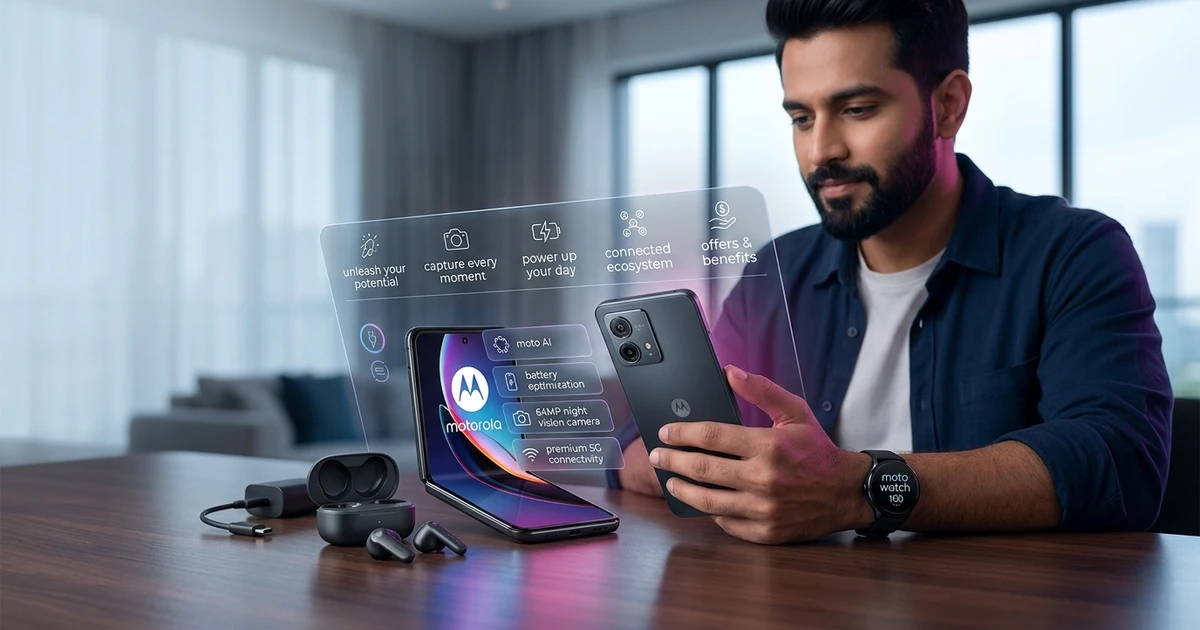
Category: Uncategorized

  • motorola Best Ways to Choose Android Phones

    motorola Best Ways to Choose Android Phones

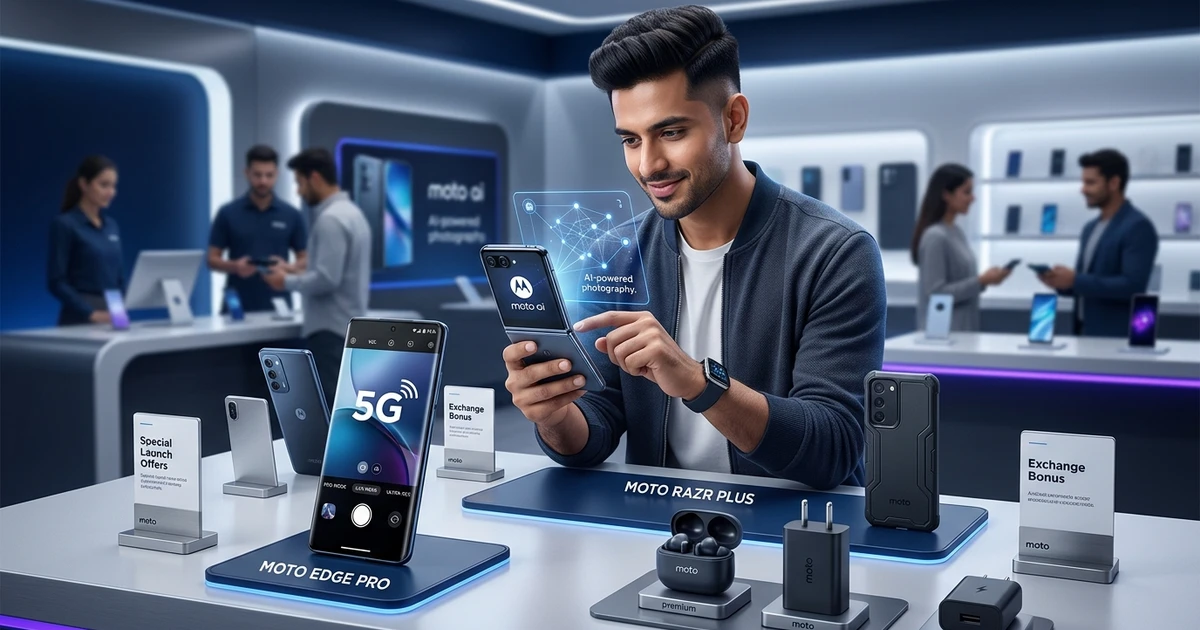
    motorola makes the choice of an Android smartphone more exciting, but also more detailed. Buyers now compare camera systems, premium 5G performance, battery life, durability, flip design, moto ai features, storage, offers, and support before they decide. This guide explains the best ways to choose phones for everyday use, photography, content creation, travel, work, and entertainment. If you are exploring the broader motorola experience in India, use these practical checkpoints before you shop.

    Key Takeaways

    • Choose motorola phones by lifestyle first, then compare camera, battery, design, durability, Android experience, and premium 5G features.
    • Flip phones, Edge models, and Moto G devices serve different users, so match the range with your budget and daily use.
    • Check offers, accessories, support options, and product comparison pages before making a final purchase.

    motorola Best Ways to Match Phones With Your Lifestyle

    The strongest smartphone choice begins with use case clarity, not only specifications. A photographer, content creator, traveller, student, business user, and value focused buyer will need different strengths from the same Android ecosystem, so match the phone range to your daily routine before you compare price or offers.

    The first question is simple. What do you need your smartphone to do every day? If you shoot photos often, focus on camera hardware, stabilisation, storage, display quality, and AI enabled editing features. If you travel or work long hours, battery and charging should move higher on your list.

    Premium buyers may prefer advanced design and flagship level features in the Motorola Edge phones. Style conscious users may look at Motorola Razr flip phones for a distinctive form factor. Value focused users can explore the Moto G family for practical Android features, battery, 5G, and offers.

    A good way to start is to write your top three needs:

    • Camera and video creation
    • Battery and fast charging
    • Premium design and display
    • Durability for active use
    • 5G performance and storage
    • Flip phone style and compactness
    • Budget, discounts, and exchange value

    This makes the shopping journey sharper. It also helps you avoid paying for features you may not use.

    motorola Camera Checks for Photos and Content

    Camera performance matters most when your phone is your main creative tool. Instead of looking only at megapixels, compare sensor quality, zoom capability, low light results, video stability, front camera needs, display accuracy, and storage options for large photo and video files.

    For photographers and content creators, camera choice should be practical. A higher megapixel number can help, but it is not the only factor. Look for features such as optical zoom, ultra wide shooting, portrait quality, AI zoom, night photography, and video stability.

    motorola product messaging includes camera focused claims across selected models, such as periscope lens features, AI zoom, Sony sensor positioning, and DXO related product claims where listed. Treat those details as model specific benefits. Always verify the exact specification on the product page before buying.

    If you create reels, tutorials, travel videos, or product photos, also check the display and audio experience. A brighter screen helps outdoors. Larger storage helps if you shoot in high resolution. A capable Android phone should support your camera work from capture to upload.

    For a deeper shopping framework, read this checklist before buying premium Android phones. It helps you review camera, display, processor, software, and overall value before checkout.

    motorola Battery and Durability for Long Days

    Battery and durability decide how dependable a smartphone feels after the first week of use. Buyers who travel, commute, game, stream, or work outdoors should compare battery capacity, charging speed, build quality, protection features, heat management, and after sales support before they choose a phone.

    A strong battery is not only about size. It is also about how the phone manages power. A balanced Android device should handle calls, messaging, video, navigation, camera use, and entertainment without making you worry by evening.

    Some motorola product messaging highlights large battery capacities and charging features across selected phones. If battery is your top priority, compare the exact model capacity, charger support, display refresh rate, processor efficiency, and your own usage pattern.

    Durability also matters. Adventurers and everyday all rounders should check build materials, screen protection details, water resistance claims where listed, and support options. Do not assume every model has the same durability features. Read the official product page carefully.

    The best way to judge battery needs is to ask one direct question. Will this phone support my longest normal day? If the answer is yes, the device is more likely to feel dependable after months of use.

    motorola Flip and Premium Design Choices

    Design is no longer only about appearance. It shapes how you hold, carry, open, view, and use your smartphone. Flip phones, slim premium phones, fabric finishes, curved displays, and refined colours can influence both style and function in daily use.

    A flip phone is ideal for users who want a bold design and a compact feel. The form factor stands apart from standard phones and gives the device a more distinctive lifestyle appeal. Premium buyers may also value the way a flip phone looks during calls, photos, and social moments.

    For slab style phones, design still matters. Weight, grip, finish, button placement, camera module shape, and colour options all affect daily comfort. A premium 5G Android phone should feel refined, but it should also be practical.

    If you are comparing the latest premium phones, use this demo guide to latest premium Android phones to structure your evaluation. It can help you understand what to check before you decide between design led and performance led devices.

    The best design is the one you enjoy using every day. A phone can be powerful, but it should also feel right in your hand.

    Compare Android Performance, moto ai, and Software Experience

    Performance is about the complete Motorola experience, not only benchmark style numbers. A capable Android phone should feel fast across apps, camera use, gaming, browsing, navigation, multitasking, AI features, security updates, and connected workflows that support both productivity and entertainment.

    Performance depends on processor, RAM, storage, software optimisation, display refresh rate, and network support. A premium 5G phone should manage demanding apps smoothly. A value focused phone should still feel reliable for daily communication, social media, entertainment, and payments.

    moto ai can add smarter assistance across supported experiences. Buyers interested in AI enabled convenience should check which features are available on the specific model they are considering. Software features can vary by device and update cycle.

    Android also brings a broad app ecosystem. For security and workplace related context, Google shares official information about Android security and device protection principles. This is useful if you use your smartphone for work, payments, and personal data.

    When comparing performance, do not rely on one specification. Review these points together:

    • Processor and 5G support
    • RAM and storage variant
    • Display refresh rate and brightness
    • Camera processing speed
    • Battery optimisation
    • Android version and updates
    • moto ai and connected features
    • Audio and connectivity options

    If you use a phone for work, also explore Ready For style connected use cases where available. The right smartphone should move easily between entertainment, productivity, and communication.

    Check Offers, Accessories, and the Complete Motorola Experience

    The best purchase decision includes more than the phone itself. Offers, bank discounts, accessories, chargers, earbuds, wearables, tablets, laptops, order tracking, repair status, and support services can improve value and create a more complete connected device experience.

    Offers can change the final decision. On an India focused e commerce storefront, buyers often compare MRP, sale price, discount percentage, bank benefits, exchange options, and no cost EMI availability. Always review the final cart value before you purchase.

    Accessories also extend the motorola experience. A TurboPower charger, Moto Buds, Moto Watch, or Moto Pen Ultra can make the device more useful. You can browse compatible motorola accessories if you want audio, charging, wearable, or productivity additions.

    Connected device buyers may also explore tablets, laptops, smart TVs, audio products, and appliances. This matters if you prefer one brand ecosystem across work, entertainment, and home technology.

    India’s mobile ecosystem continues to expand, and the GSMA Mobile Economy India resource offers broader context on mobile connectivity trends. For buyers, the practical takeaway is clear. Choose a phone that supports both current needs and future habits.

    Before checkout, confirm these details:

    • Exact model name and variant
    • Colour and storage option
    • Final price after offers
    • Delivery details
    • Warranty and support route
    • Repair status and order tracking access
    • Return or cancellation terms where applicable
    • Compatible accessories

    This final review prevents confusion and gives you more confidence before buying.

    Conclusion

    Choosing the right motorola smartphone becomes easier when you follow a structured process. Start with your lifestyle, compare camera and battery, review premium 5G performance, consider flip or classic design, check Android software features, and complete the decision with offers, support, and accessories.

    The best ways to choose motorola phones are simple but powerful. Know your daily needs, match them with the right range, verify model specific camera, battery, durability, design, and moto ai features, then compare offers before you buy. Premium users can look at Edge or Razr devices, while value focused buyers can explore Moto G options. To make your next decision sharper, compare the latest premium Android phones and choose the device that fits your life with confidence.
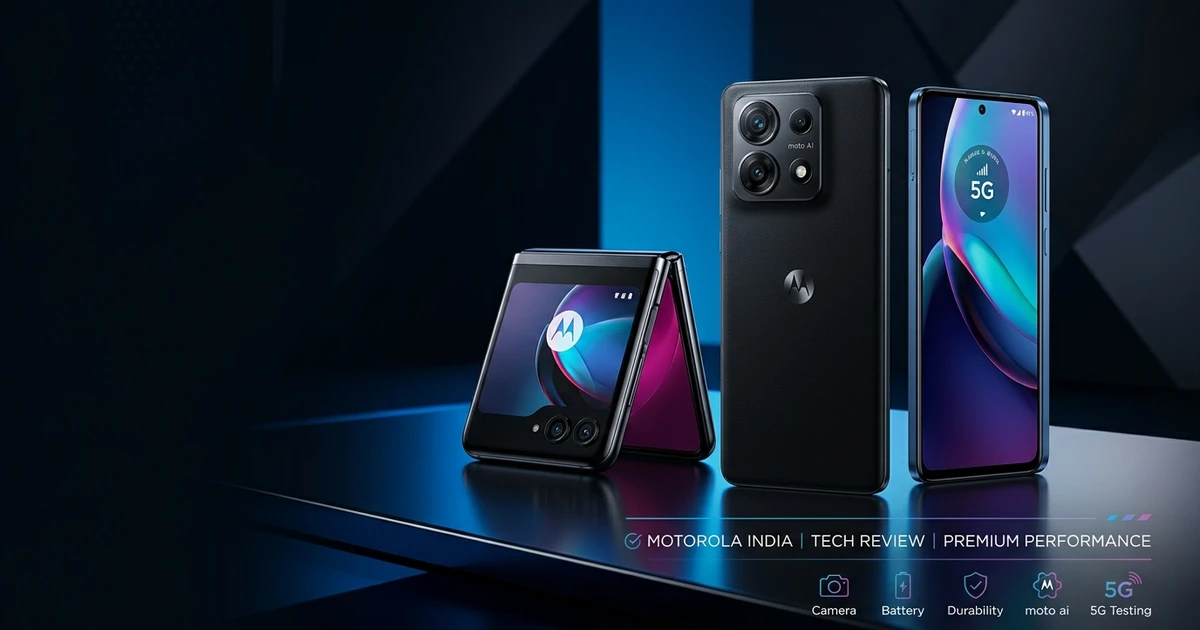
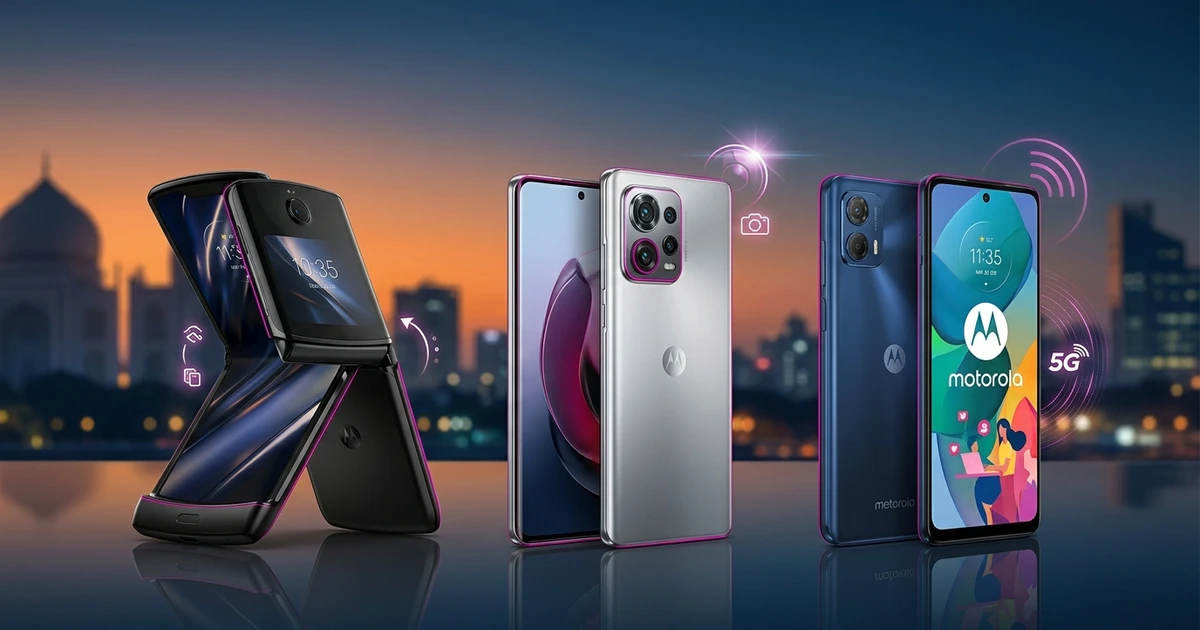
  • Checklist Before Buying Premium Android Phones

    Checklist Before Buying Premium Android Phones

    Premium android phones should do more than look impressive. They should feel powerful, refined, reliable and ready for real life. Test your next smartphone choice before you buy it. A premium android phone should support daily use across camera, battery, durability, design and performance. This guide gives you a formal, practical checklist for evaluating latest motorola phones in India. You will learn how to compare premium 5G features, flip design, moto ai experiences, accessories, offers and support. Use it as a clear buying framework before exploring before buying latest premium android phones.

    Key Takeaways

    1. A smart test starts with your use case, such as photography, content creation, gaming, travel or daily work.

    2. Premium android phones should be judged by camera quality, battery life, durability, android experience, design and long term value.

    3. The best Motorola experience includes the right smartphone, useful accessories, support access and active offers.

    Why a Test Checklist Matters for Latest Android Phones

    Buying a smartphone is no longer just about choosing the highest specification sheet. A proper test helps you match the device to your lifestyle, budget and performance expectations, especially when you compare premium 5G models, flip phones, Moto G devices, Edge family phones and connected accessories in India before making a confident purchase.

    A good test protects you from buying based only on looks or discounts. It brings structure to your decision. Start with your primary use case. A photographer may prioritise camera sensors, zoom, low light output and stabilisation. A content creator may value storage, display quality, battery, audio and editing performance. An all rounder may want balanced design, reliable 5G, dependable battery and practical durability.

    Motorola India offers multiple paths for different buyers through its official smartphones collection. This makes a checklist valuable because each family serves a different purpose. The Razr range speaks to premium flip buyers. The Edge family focuses on advanced experiences. The Moto G family supports value conscious 5G buyers. A structured test helps you compare these choices with confidence.

    For a broader understanding of the official android ecosystem, you can also review the Android platform to understand how device experiences connect with apps, security and personalisation. For a deeper companion guide, read the demo guide to latest premium Android phones.

    Premium android phones start with your use case

    Your first test should be personal. If you shoot travel videos, camera and battery matter most. If you attend long work calls, performance, audio and charging become important. If you want a statement device, a premium flip design may be the strongest fit.

    For example, a content creator may need a phone that can record video, switch apps, upload files and stay active through a full day. A traveller may value a large battery, strong display visibility and practical durability. This is why premium android phones should be tested around real routines, not only product cards.

    Test premium android phones for Camera, Battery and 5G Performance

    The camera, battery and premium 5G performance define how a phone behaves beyond the showroom. A clear test should examine real usage, not only numbers. Look at how the phone captures movement, handles long days, supports streaming, manages heat, switches between apps and performs during demanding multitasking across work, entertainment and travel.

    Camera evaluation should go beyond megapixels. Check daylight detail, portrait edge detection, video stability, zoom quality and low light clarity. If you create reels, product videos or travel content, record sample footage in different lighting conditions. A premium camera phone should help you create without slowing your workflow.

    Battery is equally important. Ask how the device supports a full day of calls, social apps, maps, streaming and camera use. A large battery can be valuable, but charging speed, software optimisation and display efficiency also matter.

    Use this quick test before choosing:

    1. Open the camera and switch between portrait, wide, zoom and video modes.

    2. Check display brightness outdoors and indoors.

    3. Run your common apps together for multitasking.

    4. Review battery capacity, charging support and real usage needs.

    5. Confirm 5G compatibility for your region and network plan.

    The motorola Edge family is relevant for users seeking premium design, pro level camera experiences and advanced performance. If your needs are more everyday focused, compare the Moto G family for practical 5G, battery and value.

    Premium android phones camera test example

    A practical camera test gives clearer answers than a specification list. If a model highlights a 50MP periscope lens with 50x AI super zoom pro, test the same subject at normal zoom, medium zoom and long zoom. Then compare clarity, colour, detail and hand shake control.

    Also record a short video indoors and outdoors. This helps you judge stabilisation, skin tones and audio pickup. For premium android phones, this real test is more useful than checking only the largest camera number.

    Battery and 5G test for premium Android phones

    Battery capacity should be tested against your daily pattern. For example, a phone promoted with a segment best 7000mAh battery and 30W charging should be checked for your actual mix of calling, maps, camera, streaming and gaming.

    A simple benchmark is to test two hours of mixed use. Try social apps, camera recording, video streaming and navigation. Then review heat, battery drop and charging speed. This helps you understand whether the premium 5G experience fits your routine.

    Test Flip Design, Durability and Everyday Comfort

    Premium design should deliver beauty and utility at the same time. A flip phone or slim android smartphone must feel comfortable, reliable and distinctive. Your test should include hinge feel, hand grip, pocketability, finish quality, display interaction and the confidence that the device can handle movement, commuting, travel and everyday active use.

    Design is emotional, but it should also be practical. A premium flip phone creates a bold statement, yet the experience must feel natural. Test how the phone opens, closes, sits in one hand and fits in your pocket. If you travel often, commute daily or use your phone while moving, comfort matters.

    Durability should also be part of the decision. Check the finish, frame feel, display protection information and water resistance details where available. Adventurers and all rounders should pay close attention to battery strength, build confidence and usability in active conditions.

    Before buying a flip phone, ask:

    1. Does the form factor match your daily routine?

    2. Is the outer screen useful for quick actions?

    3. Does the hinge feel smooth and stable?

    4. Does the design support one hand use?

    5. Does the device feel premium without feeling fragile?

    The motorola Razr range is built for buyers who want a distinctive premium flip experience. It is especially relevant for users who value design, portability and a modern Motorola experience.

    Premium android phones should feel durable every day

    Everyday comfort can change how much you enjoy your phone. A device may look premium, but it must still survive pockets, commutes, long calls and fast one hand use. Test the grip, weight and button placement before you decide.

    A flip phone buyer should also check outer display usefulness. If you can view key alerts, manage simple actions and open the phone smoothly, the design adds real value. Premium android phones should combine style with practical confidence.

    Test moto ai, Android Experience and Connected Accessories

    A smartphone becomes more valuable when its software and connected devices support how you work, create and relax. Test moto ai features, android usability, accessory compatibility and ecosystem value. The right combination can help your phone become a stronger daily productivity, entertainment, travel, calling, charging and content creation companion over time.

    Software should feel fast, clean and useful. When you test a device, explore navigation, app switching, camera tools, privacy controls and personalisation. moto ai can add smarter assistance and a more intuitive mobile experience when available on supported models. For professionals and creators, these software layers can improve daily convenience.

    The Motorola experience is also wider than phones. Accessories can improve calls, music, charging and mobility. If you attend meetings, edit content or travel often, audio and charging accessories can make a real difference.

    Consider this ecosystem checklist:

    1. Pair the phone with wireless audio if you create or consume media.

    2. Check charging needs for home, office and travel.

    3. Explore tablets or laptops if you need a larger work screen.

    4. Review support access for orders, repairs and service.

    5. Compare bundle value and seasonal offers before purchase.

    You can explore Motorola accessories to complete your setup with Moto Buds, Moto Watch, TurboPower chargers and other add ons. If productivity is a priority, the official tablet range can extend your digital workflow. You can also keep a quick device shortlist using this Motorola phone comparison note while reviewing options.

    Premium Android phones and the complete Motorola experience

    A strong Motorola experience does not stop at the phone. The right accessory can improve work calls, entertainment, travel and charging. For example, Moto Buds can support audio needs, while TurboPower chargers can help users who move between home, office and travel.

    If you create content, test audio recording and playback with wireless buds. If you travel often, check charging speed and cable convenience. Premium android phones become more useful when the surrounding ecosystem fits your life.

    Test Offers, Support and Long Term Motorola Experience

    Price matters, but value is larger than the sale number. A final test should include offers, warranty expectations, order tracking, repair status access and long term support routes. A strong purchase decision combines premium features, correct variants, practical accessories, transparent pricing and confidence after checkout across the complete Motorola experience.

    Indian buyers often compare discounts, bank offers, exchange benefits and sale prices. This is sensible. However, the lowest price is not always the strongest value. Compare the full package. Check the device family, storage variant, colour option, charging needs, accessory bundle and after sales support path.

    The official motorola India storefront is built for direct purchase flows, including pricing, offers, cart, login, orders and support links. This is useful for buyers who want clarity before checkout. Look for inclusive tax details, available offers and delivery information.

    A final test should include:

    1. Confirm the correct storage and colour variant.

    2. Check current offers and bank discounts.

    3. Compare device family based on use case.

    4. Review order tracking and repair status options.

    5. Save support resources before completing the purchase.

    For brand context, explore motorola India to understand the wider product ecosystem and innovation story. Before finalising your shortlist, revisit this premium android phones buying guide and compare your priorities against real usage needs.

    External industry bodies such as the GSMA also provide useful context on mobile connectivity and digital technology trends, which can help buyers understand the wider value of 5G adoption. If you want another internal reference while comparing choices, review this latest phones checklist.

    Conclusion

    A strong smartphone purchase starts with a clear test. Review camera quality, battery life, premium 5G performance, durability, flip design, moto ai features, android experience, accessories, offers and support. This approach helps you choose premium android phones based on real needs, not only attractive specifications. Whether you want a premium flip device, a camera focused Edge phone or a value conscious Moto G model, use this checklist before you buy. Then explore the official Motorola experience and choose the phone that fits your life with confidence.

  • Demo Guide to Latest Premium Android Phones

    Demo Guide to Latest Premium Android Phones

    Demo decisions often start with one question: which phone actually fits your life? For Indian buyers comparing motorola phones, the answer depends on camera needs, battery expectations, design preference, durability, offers, and the broader Motorola experience. This guide explains how to evaluate premium 5G Android phones with a practical demo mindset. You will learn how to compare flip designs, Edge performance, Moto G value, moto ai features, and accessories before choosing your next smartphone.

    Key Takeaways

    • A strong demo should test real use, including camera quality, battery comfort, display experience, design, and daily performance.
    • motorola gives Indian buyers options across premium, flip, Edge, and Moto G phones, with Android experiences built for different lifestyles.
    • Before buying, compare models, offers, support, and accessories to complete your Motorola experience with confidence.

    Why This Demo Matters for motorola Buyers

    Buying a smartphone is no longer just about the highest specification sheet. A useful demo shows how a phone behaves during calls, photos, videos, streaming, gaming, multitasking, charging, and travel. For motorola buyers in India, this means checking whether a premium 5G Android phone feels reliable, stylish, fast, and practical every day.

    A demo helps you move from interest to confidence. You can compare how a phone handles bright outdoor photos, low light portraits, video calls, apps, and long screen time. It also helps you decide whether a flip phone suits your style or whether a Moto G phone gives better everyday value. If you are still at the research stage, this demo guide to latest premium Android phones can support your next step.

    For many buyers, the best phone is not only the most premium model. It is the phone that matches your habits. A photographer may value a Motorola camera phone with strong zoom and sensor capabilities. A creator may need stable video, storage, and audio. An adventurer may prefer battery life and durability. An all rounder may want the right balance of price, camera, battery, and Android performance.

    A smart demo also reduces confusion during offer seasons. Product pages often show MRP, sale price, discount percentage, storage, colour, and Buy Now options. Reviewing these details carefully helps you compare value beyond headline pricing.

    Demo Checklist for Premium 5G Android Phones

    A good demo of premium 5G Android phones should feel structured, not random. Start with the display, move to camera, then check performance, battery, design, audio, connectivity, software, moto ai features, and support. This gives you a complete picture before you compare motorola smartphones India options or choose a final model.

    Use this simple checklist when exploring motorola phones online or in person:

    • Check how the display looks in bright and indoor lighting.
    • Test the camera with portraits, landscapes, night shots, and zoom.
    • Review battery size, charging support, and expected daily use.
    • Compare storage and memory based on your app and content habits.
    • Look at design, grip, finish, and overall comfort.
    • Check durability related claims and water resistance details where listed.
    • Explore Android features, moto ai, and connected experiences.
    • Compare current offers, exchange benefits, and no cost EMI where available.
    • Review support options such as order tracking and repair status.

    The best way to compare motorola smartphones in India is to match each model to a use case. Premium buyers may explore the Edge or Razr families. Value conscious 5G buyers may consider Moto G phones India for practical features and accessible pricing. If you often travel, long battery life matters more than a flashy feature you may rarely use.

    A demo should also include the software experience. Android is familiar, flexible, and supported by a wide app ecosystem. The official Android platform gives users access to Google services, security features, and personalisation tools. For motorola users, this combines with design focused hardware and Motorola experience features.

    Demo Camera and Battery Tests That Matter

    Camera and battery performance shape the daily smartphone experience more than many buyers expect. A meaningful demo should test photos, video, zoom, skin tones, stabilisation, charging time, screen usage, and standby comfort. This is especially important for creators, photographers, students, professionals, and active users who need dependable motorola phones.

    A Motorola camera phone should be tested in real conditions. Take a portrait near a window. Capture a moving subject. Zoom into a distant sign. Record a short video while walking. These simple tests reveal sharpness, colour, dynamic range, focus speed, and stability. Some motorola product messaging highlights advanced claims such as periscope lens capability, AI zoom, Sony sensor positioning, or DXO related references where listed on the official storefront. Always read model specific details before deciding.

    Battery should be tested with your real routine in mind. Ask yourself how many hours you spend on video, maps, calls, social media, payments, and gaming. A phone with a large battery may suit users who spend long days outside. Fast charging can help professionals, travellers, and students get back to work quickly. For value focused buyers, Moto G phones India may offer practical battery benefits at accessible pricing.

    Content creators should also consider audio and accessories. Wireless buds, chargers, and watches can improve everyday use. Explore motorola accessories if you want to complete your Motorola experience with audio, charging, wearable, or stylus options.

    For broader market context, organisations such as GSMA track mobile technology trends and adoption globally. This reinforces why 5G, connected devices, and mobile first experiences continue to matter for Indian consumers.

    Demo Design, Durability, and Flip Experience

    Design is not only about appearance. A useful demo should show how a phone feels in hand, how easily it opens, how the finish handles daily use, and whether the form factor supports your lifestyle. This is where premium flip phones, Edge phones, and everyday motorola designs serve very different buyers.

    motorola flip phones India appeal to buyers who want a distinctive premium design. A flip phone changes how you carry, open, view, and use your smartphone. During a demo, check the hinge feel, cover screen utility, one hand comfort, and pocket fit. The motorola Razr flip phones range is especially relevant for users who want style in sync with advanced Android functionality.

    Premium 5G buyers may prefer the Edge family for display, camera, and performance led use. Explore the motorola Edge family if you want a design forward smartphone with premium positioning. A strong demo should compare Edge phones based on camera setup, display feel, processor, storage, charging, and finish.

    Durability matters for adventurers and heavy users. Check product details for material claims, ratings, and protection features listed for each model. Do not assume every phone has the same resistance or build. A buyer who travels daily may need different durability than someone who mainly uses a phone indoors.

    Design also includes colour and storage choice. A finish that feels premium in images should also feel comfortable in hand. Storage should match your usage. If you shoot videos, download shows, and use many apps, higher storage can make the phone feel faster and more future ready.

    Demo Buying Path for Offers, Support, and Ecosystem

    The final demo step should cover buying confidence. Compare offers, warranty related information, delivery messages, support access, order tracking, repair status, accessories, tablets, laptops, TVs, and smart devices. A phone is the centre of your digital life, but the wider Motorola experience can make ownership more complete.

    A good purchase decision includes both product and post purchase experience. On motorola India, buyers can review pricing, discounts, colour options, storage variants, cart, login, orders, and Buy Now actions. This direct e commerce experience helps you compare options clearly before purchase.

    Offers can make a meaningful difference. Review bank discounts, no cost EMI options, exchange benefits, and offer terms where available. Make sure you understand final payable value, taxes, shipping, and delivery timelines before checkout. A demo mindset means checking the complete purchase path, not just the hero banner.

    Support also matters. Look for order tracking, repair status, and official support links when planning your purchase. These services help you manage ownership after buying. For connected device buyers, accessories, Moto Pad, laptops, smart TVs, audio products, and smart appliances can extend the Motorola experience beyond the phone.

    If you are deciding between premium, flip, and value options, ask these questions:

    • Do I want a premium design or practical value first?
    • Do I need a camera focused phone for content?
    • Will battery life matter more than slim design?
    • Do I prefer a flip form factor or a classic smartphone?
    • Which offers make the purchase more attractive today?
    • Which accessories will improve my daily use?

    The right demo gives clear answers. It turns product browsing into a confident buying journey.

    Conclusion: Choose Your Motorola Experience With Confidence

    A demo should help you see how a phone performs in real life, not only on paper. Compare camera, battery, design, durability, Android software, moto ai features, offers, and support before buying. motorola gives Indian buyers a wide choice across premium 5G, flip, Edge, and Moto G phones. Whether you are a creator, photographer, adventurer, or all rounder, choose the smartphone that fits your routine. Start with a clear demo checklist, then explore the latest motorola phones and complete your Motorola experience with confidence.

  • Demo Guide to Latest Premium Android Phones in India

    Demo Guide to Latest Premium Android Phones in India

    Demo starts with a simple question: which motorola phone truly fits your life? In India, buyers compare camera quality, battery size, durability, design, premium 5G performance, android software, offers, and the wider Motorola experience before they choose. This guide gives you a clear way to evaluate the latest phones across flip, Edge, Moto G, and connected accessories. You will learn how to compare features, match a smartphone to your use case, and make a confident purchase decision.

    Key Takeaways

    1. A strong demo buying framework helps you compare motorola phones by camera, battery, design, durability, android experience, and price.
    2. Premium 5G buyers should review flip phones, Edge models, and Moto G options based on lifestyle and performance needs.
    3. The complete Motorola experience includes accessories, moto ai, support, offers, and connected devices beyond the smartphone.

    Demo Buying Framework for Latest motorola Phones

    A focused demo framework gives buyers a structured way to compare the latest motorola phones without getting lost in specifications. Instead of judging only by price or storage, it helps you connect features to real use cases like photography, content creation, gaming, travel, work, and long day battery needs.

    The best way to evaluate a smartphone is to start with your daily routine. A photographer may prioritise a stronger camera system, AI zoom, and image processing. A content creator may need display quality, storage, audio support, and stable performance. An adventurer may look for battery, durability, and fast charging.

    For a broader view of current models, explore the official motorola smartphones page. It gives a practical view of product families, pricing, variants, and Buy Now options.

    A useful demo checklist should cover:

    1. Camera needs for photos, video, zoom, and low light use.
    2. Battery capacity and charging expectations.
    3. Premium 5G support for faster connectivity where available.
    4. Android experience, moto ai features, and software convenience.
    5. Design, finish, display quality, and hand feel.
    6. Offers, discounts, and long term value.

    For more buying context, you can also read Before Buying Latest Premium Android Phones, which supports this demo approach with deeper purchase considerations.

    Demo checklist for premium 5G priorities

    This demo checklist helps premium 5G buyers separate impressive marketing terms from features that matter in everyday use. It encourages you to look at network support, chipset performance, display quality, battery life, storage, camera features, and android software together rather than as isolated specifications.

    Premium does not mean the same thing for every buyer. For some, premium means a flagship camera and an elegant design. For others, it means smooth multitasking, dependable 5G, better durability, and an intelligent android experience.

    A strong premium 5G phone should feel fast, look refined, and stay reliable through a full workday. Check whether the device supports your expected usage. If you create reels, shoot travel content, or use video calls often, camera and battery should sit near the top of your list.

    You can also compare mobile platform context through the official Android site, which explains the broader android ecosystem behind compatible phones and services.

    Choose Between Flip, Edge, and Moto G Families

    The latest motorola portfolio gives Indian buyers multiple paths, from premium flip design to camera focused Edge models and practical Moto G phones. Your best choice depends on how much you value style, performance, camera flexibility, battery endurance, and accessible pricing within the Motorola experience.

    The motorola Razr family is for buyers who want a distinctive flip design. It suits people who view their smartphone as a style statement and a productivity tool. A flip phone stands out in the hand, pocket, and meeting room.

    The Edge family is designed for buyers who want premium 5G performance, stronger camera positioning, and refined design. It is a strong fit for content creators, photographers, and performance focused users. Explore the Motorola Edge family if your priority is a more advanced smartphone experience.

    The Moto G family supports value conscious buyers. It focuses on practical features such as battery, durability, 5G access, and offers. This makes it a strong option for all rounders who want dependable daily performance without overcomplicating the buying process.

    Demo camera and battery questions to ask

    A practical demo should always include camera and battery questions because these features shape the way people actually use phones. Great specifications matter, but real value comes from whether the camera supports your content style and whether the battery keeps up with your daily schedule.

    Before you choose, ask direct questions. Do you shoot more portraits, landscapes, videos, or zoom shots? Do you need a front camera for video calls and creator content? Do you travel often and need stronger battery life?

    A phone with a powerful camera can help you capture detail, colour, and motion. A phone with a large battery can reduce charging anxiety during work, entertainment, and travel. When both work together, the smartphone becomes more dependable.

    If your lifestyle is design led, compare the latest motorola Razr flip phones. A flip form factor adds personality while keeping the android experience central.

    Build the Complete Motorola Experience

    The Motorola experience extends beyond the phone through accessories, charging products, audio devices, watches, tablets, laptops, smart TVs, and support services. A complete setup helps users move from communication to entertainment, productivity, fitness, and connected living with greater consistency.

    A smartphone becomes more useful when the ecosystem around it fits your life. Moto Buds can support music, calls, and content creation. A Moto Watch can help with everyday convenience. TurboPower chargers can support faster charging where compatible.

    Explore official motorola accessories if you want to complete your setup with audio, charging, wearable, or stylus products. This is especially valuable for buyers who already use motorola phones and want a cleaner device ecosystem.

    Moto ai also adds a smarter layer to the experience. AI enabled assistance can improve convenience, creativity, and productivity when paired with capable hardware. For users who want a phone that works harder in the background, moto ai is an important feature to consider.

    Demo accessories that support daily mobility

    A strong demo of accessories should focus on how each product supports real movement through the day. Earbuds, watches, chargers, and tablets are not just add ons. They help extend the smartphone into work, fitness, entertainment, travel, and quick response moments.

    Think about your daily pattern. If you commute, earbuds may matter more than a stylus. If you work across screens, tablets and laptops may create a better productivity flow. If your day involves heavy calling, navigation, and content consumption, a charger becomes essential.

    The right accessory should solve a specific pain point. It should not be bought only because it is available. A useful Motorola experience feels coordinated, practical, and ready for everyday India.

    For a wider view of mobile industry direction, GSMA publishes global connectivity and mobile economy resources through its mobile industry insights. These resources help explain why connected devices keep becoming more central to daily life.

    Compare Offers, Support, and Long Term Value

    Smart buyers do not evaluate only launch excitement. They also review offers, exchange benefits where available, support access, repair status, order tracking, and long term value. This gives every demo decision a stronger commercial foundation before checkout.

    Offers can make a major difference, especially for value conscious 5G buyers. Review the listed sale price, MRP, discount, available bank offers, and any terms shown on the official storefront. Always check the final cart value before purchase.

    Support also matters. A strong buying decision includes post purchase confidence. Look for order tracking, repair status, product support, and clear service information. This is important for all buyers, from premium flip users to Moto G customers.

    If you are still exploring related motorola content, the pages gggg and hlo may offer additional site reading paths as the blog hub develops.

    Demo comparison for confident checkout

    A final demo comparison should bring together price, design, camera, battery, durability, android features, accessories, and support. This step helps you avoid impulse buying and choose a phone that matches your budget, lifestyle, and expectations from the Motorola experience.

    Before checkout, compare at least two suitable models. Do not compare a premium flip phone and a budget phone only by price. Compare them by purpose. One may offer a stronger design statement, while the other may deliver practical value.

    Use this simple decision filter:

    1. Choose Razr if flip design and premium identity matter most.
    2. Choose Edge if camera, display, performance, and premium 5G matter most.
    3. Choose Moto G if battery, durability, value, and offers matter most.
    4. Add accessories if they improve your real daily routine.
    5. Review support options before completing the purchase.

    Conclusion

    A smart demo process makes phone buying clearer, faster, and more confident. Start with your lifestyle, then compare camera, battery, durability, design, premium 5G performance, android features, moto ai, offers, and support. motorola gives Indian buyers several paths, from flip phones to Edge models, Moto G devices, and connected accessories. Explore the latest phones, compare what matters, and choose the smartphone that delivers the best Motorola experience for your everyday life.

  • Before Buying Latest Premium Android Phones

    Before Buying Latest Premium Android Phones

    Test matters most when you are choosing a phone that must work every day. The latest premium android phones promise better camera output, battery life, durability, design, and smarter features, but the right choice depends on how you use your smartphone. This guide gives you a practical test checklist for comparing motorola phones with confidence. You will learn how to review camera needs, battery habits, flip design, moto ai features, accessories, offers, and the complete Motorola experience before you buy from the official motorola smartphones store.

    Key Takeaways

    • Use a simple test framework to compare premium 5G android phones by camera, battery, design, durability, and everyday comfort.
    • Choose phones based on your real lifestyle, whether you are a photographer, creator, all round user, adventurer, or premium flip phone buyer.
    • Complete your Motorola experience with relevant accessories, tablets, laptops, offers, and support before making the final purchase.

    Test Checklist for Latest Premium Android Phones

    The smartest way to compare phones is to test them against your daily routine, not just the specification sheet. A premium 5G smartphone should feel fast, capture sharp photos, last through demanding days, and fit your design preference. This checklist helps you judge each motorola phone by practical benefits before you select your next android device.

    A good test begins with one question. What do you need your phone to do better than your current device? Some users want a stronger camera for travel, portraits, reels, and low light photos. Others need a larger battery, durable build, smooth display, or a bold flip design.

    When you compare motorola phones, do not look at one feature alone. A strong smartphone experience comes from balance. The camera should match your content needs. The battery should support long days. The design should feel premium in hand. The software should support faster everyday use.

    You can also review the brand context. Motorola states that it has been moving the industry forward since 1928, and its India store focuses on Android phones, connected devices, direct purchase options, offers, order tracking, and support. That matters when you want both product choice and a dependable buying path.

    Test the Camera Before You Decide

    A camera test should reflect how you actually shoot photos and videos. Look beyond megapixels and check practical results like portraits, zoom, colour balance, low light clarity, stabilisation, and speed. This approach helps photographers and content creators choose a motorola camera phone that supports real content creation needs.

    Start with your most common use cases. If you shoot food, travel, family moments, products, or social videos, test how the phone handles colour and focus. Premium camera claims are useful, but your result matters most in real lighting.

    For content creators, the camera must feel dependable. A phone should open quickly, focus fast, and capture clear photos without repeated attempts. Features like AI zoom, advanced sensors, portrait modes, and pro style controls can help, but only when they match your creative flow.

    Ask these questions before you buy:

    • Does the camera capture sharp faces and accurate skin tones?
    • Does zoom stay useful for travel or event photos?
    • Does video feel steady for handheld shooting?
    • Does the camera app feel quick and simple?
    • Does storage support your photo and video habits?

    A camera focused smartphone should also work well with display quality, audio output, and battery life. If you create often, test the full workflow, from capture to edit to upload.

    Test Battery, Charging, and Everyday Durability

    A battery test should focus on your longest day, not your easiest day. Premium 5G phones can handle demanding apps, streaming, maps, calls, gaming, and content capture, but your final choice should depend on endurance, charging speed, thermal comfort, and durability for active daily use.

    Battery is one of the most practical parts of the test. A larger battery can be important, but software optimisation and charging support also matter. If you travel, commute, create content, or spend long hours away from a charger, battery performance should become a top priority.

    Check how the phone fits your usage pattern. A student may need long streaming and browsing time. A creator may need camera use, editing, and uploading. An adventurer may need navigation, calls, photos, and durability across changing conditions.

    Durability also deserves attention. Review build quality, finish, grip, and resistance related claims where available. For general product safety and standards awareness in India, buyers can refer to the Bureau of Indian Standards for official consumer information.

    A strong test should include:

    • Long video viewing sessions
    • Camera use across the day
    • Navigation and mobile data usage
    • Fast charging convenience
    • Comfort during heavy app use
    • Grip and build confidence

    Battery is not just a number. It is the confidence to leave home without constantly checking the percentage.

    Test Design, Display, and Flip Comfort

    A design test helps you understand how premium the phone feels during real use. Display brightness, grip, weight, finish, folding comfort, pocket fit, and one hand usability all shape the Motorola experience. This is especially important when comparing classic smartphones with modern flip android phones.

    Premium design should look striking and feel practical. A phone can be stunning inside out, but it should also fit your palm, pocket, desk, and lifestyle. That is why a design test is essential before buying.

    If you are exploring a flip phone, consider how often you open and close the device. Think about selfie capture, compact storage, video calls, and style. Flip phones appeal to buyers who want a distinctive form factor without giving up the android ecosystem.

    Display quality is another major factor. A bright and smooth display improves gaming, video, reading, editing, and everyday scrolling. If you watch content often, test how the screen looks indoors and outdoors. If you work on the go, check typing comfort and multitasking ease.

    The official Android platform also gives buyers useful context on Android features, app access, privacy tools, and ecosystem benefits. For motorola users, that android foundation supports a familiar and flexible smartphone experience.

    Test Smart Features, Moto AI, and Ecosystem Fit

    Smart features can make your phone feel faster, more personal, and easier to use. A complete test should include moto ai, connected productivity, accessories, tablets, laptops, audio, and charging options. The best Motorola experience comes from choosing devices that work together across everyday communication, entertainment, and productivity.

    Modern phone buying is no longer only about the handset. Your smartphone connects to earbuds, watches, chargers, tablets, laptops, smart TVs, and more. That is why ecosystem fit should be part of your test.

    Start with moto ai and software experience. Ask whether the phone helps you complete daily actions faster. Smart assistance can support photos, search, communication, and productivity when implemented well. It should feel useful, not complicated.

    Next, review accessories. If you listen to music, attend calls, travel, or game, explore motorola accessories that can complete your setup. Moto Buds, Moto Watch, TurboPower chargers, and stylus options can add comfort and convenience to daily use.

    For productivity buyers, tablets and laptops matter too. A creator may use a phone for capture and a tablet for review. A professional may want a laptop for deeper work. You can explore motorola tablets and motorola laptops if you want a broader connected device setup.

    A strong ecosystem test includes:

    • Audio quality for calls and entertainment
    • Charger compatibility and travel convenience
    • Tablet or laptop support for work
    • Connected productivity needs
    • Accessory value for your current lifestyle

    Do not buy isolated features. Build a setup that makes daily life easier, more uplifting, and more enjoyable.

    Test Offers, Support, and Buying Confidence

    The final test is the buying experience itself. Premium phones should be supported by clear pricing, official offers, order tracking, repair status access, and reliable product information. When you buy from the official motorola India storefront, you can compare options and review the broader brand experience before checkout.

    Offers can make a major difference for value conscious 5G buyers. Check sale pricing, bank discounts, exchange benefits, no cost EMI options where available, and included taxes. Do not judge only by the headline price. Review the complete payable amount and the exact terms.

    Support matters after purchase. Before you buy, confirm how you can track orders, check repair status, and access official support. This is especially important for buyers investing in premium 5G android phones, flip devices, or accessories.

    You can also learn more about the wider brand story through the motorola India brand page. It helps frame the purchase beyond one device and gives context for Motorola’s long standing role in mobile communication.

    Before checkout, use this final test:

    • Compare two or three shortlisted phones
    • Review storage and colour options
    • Check available offers and terms
    • Confirm delivery and support details
    • Add only relevant accessories
    • Choose based on daily fit, not impulse

    A confident purchase comes from clarity. When the test is complete, the right phone usually becomes obvious.

    FAQs About the Test Before Buying Phones

    Buyers often ask practical questions before choosing between premium, value focused, and flip android phones. These answers simplify the test process and help you decide what matters most. Use them to avoid confusion while comparing motorola camera, battery, design, durability, offers, and ecosystem options.

    What should I test first when buying a new android phone?

    Start with your main need. If you create content, test the camera first. If you travel or work long hours, test battery and charging. If you want a stylish premium device, test design, display, and flip comfort.

    Are premium 5G phones only for power users?

    No. Premium 5G phones can support creators, professionals, gamers, travellers, and everyday users who want stronger performance, camera quality, battery confidence, and a refined design. The right choice depends on your usage.

    How do I know if a flip phone suits me?

    A flip phone suits you if you value compact design, distinctive style, and a modern android experience. Test pocket comfort, opening feel, camera use, and display behaviour before deciding.

    Should I buy accessories with my phone?

    Buy accessories when they improve your daily experience. Earbuds, chargers, watches, and stylus options can be useful if they support your work, entertainment, travel, or fitness routine.

    Conclusion

    The best test is simple. Choose a motorola phone by matching its camera, battery, durability, design, moto ai features, offers, and ecosystem fit to your real life. Premium 5G android phones can feel powerful, stylish, and practical when they serve your everyday priorities. Whether you want a flip design, a camera focused smartphone, a value ready 5G device, or connected accessories, use this checklist before you buy. Explore the latest motorola phones, compare your options, and complete your Motorola experience with confidence.

  • Hi Marketing Guide for Smarter Lead Generation

    Hi Marketing Guide for Smarter Lead Generation

    Hi is often the smallest customer message, but it can start a serious lead generation opportunity. In this guide, the primary keyword hi means the first short greeting or digital intent signal a prospect sends through chat, WhatsApp, social media, search, or a contact form. When AI connects that signal with marketing automation, CRM, media data, and ROI reporting, a simple greeting can become a qualified lead. For a broader workflow, see this marketing optimization guide for better lead generation.

    Key Takeaways

    1. Hi can become a measurable lead signal when it connects to CRM, analytics, and marketing automation.

    2. AI helps teams classify intent, respond faster, and guide prospects across search, ads, media, and landing pages.

    3. Businesses improve ROI when every conversation is tracked from first message to lead generation and sales outcome.

    Why Hi Matters in Digital Marketing

    A simple hi can reveal channel intent, response speed, content relevance, and buyer readiness when it is tracked correctly across digital marketing touchpoints. For CEOs, business owners, and marketing teams, the value is not the greeting alone. The value is the data trail behind it and the lead generation workflow that follows.

    Many businesses treat a short greeting as a low priority message. That is a mistake. A prospect who sends hi may be comparing vendors, checking response time, or looking for help before sharing details.

    If the response is slow, generic, or disconnected from campaign data, the lead can disappear. A better approach is to treat hi as the start of a measurable buyer journey.

    A hi message often appears before a prospect shares budget, need, or timeline. That early moment gives marketing and sales teams a chance to capture context, ask the right question, and shape the conversation before the buyer compares more options.

    Modern digital marketing depends on context. If the message came from a Google ad, the response should match the ad promise. If it came from a local search listing, the team should know the location intent. If it came from an AI search result, the content path matters.

    Leadmetrics AI helps businesses connect these touchpoints through AI powered software that supports strategy, execution, automation, and reporting. This helps teams convert small digital interactions into structured lead generation opportunities.

    Speed also matters. A widely cited Harvard Business Review study on online sales leads found that companies contacting prospects within one hour were nearly seven times more likely to qualify the lead than those that waited longer. This makes even a short hi a time sensitive marketing signal.

    This is also why AI driven search engine optimization matters. Search brings prospects to your digital assets, but the lead workflow decides whether interest becomes revenue.

    How Hi Turns Into a Qualified Lead

    A greeting becomes useful when your business captures source, intent, timing, and next action in one connected process. Instead of asking teams to manually inspect every message, AI can classify inquiries, recommend responses, update CRM records, and support follow up across marketing channels with less delay and better consistency.

    The first step is to identify where the hi came from. A message from LinkedIn may indicate B2B interest. A message from Google Business Profile may signal local purchase intent. A message from a landing page may show campaign driven demand.

    Each source needs a different response. A website visitor may need product clarity. A paid ad visitor may need offer details. A maps visitor may need location, timing, or availability.

    A practical lead generation workflow can include:

    1. Capture the message source and campaign details.

    2. Identify the likely intent from page, keyword, location, and message history.

    3. Send a fast and relevant first response.

    4. Ask one clear qualifying question.

    5. Route the lead to CRM or sales.

    6. Track outcome, cost, and ROI.

    For example, a real estate business may receive a hi from a paid ad visitor. Instead of replying with a generic greeting, the system can ask whether the buyer wants flats, villas, budget details, or location options.

    This small shift improves qualification and saves sales time. It also gives managers better visibility into which media channels produce serious inquiries.

    You can explore similar lead focused workflows in the AI digital marketing guide for smarter lead generation, which explains how automation supports better digital performance.

    Using Hi With AI Search Optimization

    AI search optimization helps businesses become discoverable when prospects ask questions through ChatGPT, Gemini, Google AI experiences, Bing Copilot, and other generative AI platforms. When a prospect reaches out with hi after discovering your brand through these systems, your content, structure, and response workflow must work together.

    Search behavior is changing. Prospects no longer depend only on traditional search results. They ask AI assistants for recommendations, comparisons, service explanations, and local options.

    If your brand appears in those answers, the next action may be a website visit, form fill, WhatsApp message, or simple hi. That means your marketing system should not only rank pages. It should support AI search visibility, conversational content, and structured information.

    Businesses need pages that answer real buyer questions, explain services clearly, and guide users toward action. This is where content, search, CRM, and lead generation must operate as one workflow.

    Leadmetrics AI supports AI search optimization for businesses that want visibility across generative engines. This helps connect content discovery with lead generation, especially when buyers are using AI tools before contacting a company.

    A useful approach is to map the journey like this:

    1. Buyer asks an AI assistant for a solution.

    2. AI finds clear and relevant brand information.

    3. Buyer visits a page or profile.

    4. Buyer sends hi or requests details.

    5. AI powered CRM captures the lead source.

    6. Marketing and sales teams track the final result.

    This shift is not only behavioral. Gartner predicts search engine volume will drop 25 percent by 2026 because of AI chatbots and virtual agents. For businesses, this means AI search optimization must connect discovery, conversation, and lead generation in one digital marketing workflow.

    For further technical SEO basics, Google Search Central offers a useful SEO starter guide that explains how content and crawlable pages support discovery.

    Hi Response Strategy Across Media Channels

    A strong response strategy keeps messaging consistent across social media, paid ads, search, maps, and websites. Prospects may enter from different channels, but they expect one clear brand experience. AI powered automation helps teams respond faster, personalize context, and maintain quality across every digital media touchpoint.

    Every channel has a different user mindset. On Instagram, a prospect may want quick visuals or pricing direction. On LinkedIn, the user may expect business value and proof. On Google Maps, they may want availability, distance, contact details, or reviews.

    On paid ads, prospects may expect an offer linked to the campaign. If they send hi after clicking an ad, the response should continue the same promise. That improves trust and reduces confusion.

    This is where channel based optimization becomes important. Teams should create response templates that match intent, while still allowing human review when needed. A first message should be short, clear, and helpful.

    Here is a simple response framework:

    1. Acknowledge the greeting.

    2. Mention the likely topic based on source.

    3. Ask one useful qualifying question.

    4. Offer a next step.

    5. Log the interaction in CRM.

    For example, if someone says hi after clicking a Google ad for clinic marketing software, the response can ask whether they want more patient inquiries, maps visibility, or paid ad optimization. This makes the conversation relevant from the first reply.

    Businesses running paid campaigns should also connect this process with Google Ads optimization. When ad spend, message quality, and lead outcomes are tracked together, teams can reduce waste and improve ROI.

    For social channels, consistent scheduling and content quality also matter. Leadmetrics supports AI driven social media optimization, which helps businesses maintain visibility while connecting engagement to measurable lead outcomes.

    Measuring Hi From First Touch to ROI

    The real value of hi appears when it is measured through the full funnel. Businesses need to know which channel created the inquiry, how fast the team responded, whether the lead qualified, what campaign cost was involved, and whether the conversation produced pipeline, revenue, or repeat engagement.

    Many teams measure clicks, impressions, and form fills. Fewer teams measure the quality of small conversations. That creates a blind spot.

    A high volume campaign may generate many greetings but few qualified leads. Another campaign may generate fewer messages, but stronger buyers and better ROI.

    A hi becomes useful for performance analysis when it is connected to source data, response time, qualification status, and final sales outcome. These CRM metrics help CEOs, CTOs, IT Directors, entrepreneurs, and business owners understand whether digital marketing is creating real business value.

    A data driven reporting process should track:

    1. Source channel.

    2. Campaign or content page.

    3. First response time.

    4. Lead qualification status.

    5. Sales follow up status.

    6. Cost per qualified lead.

    7. Revenue or pipeline value.

    This creates a stronger decision framework for CEOs, CTOs, IT Directors, entrepreneurs, and business owners. Instead of asking whether marketing is active, they can ask whether marketing is producing measurable generation results.

    Salesforce State of Sales research highlights automation as a major productivity priority for sales teams. The lesson is clear for marketing leaders. When routine follow up, lead routing, and CRM updates are automated, teams can spend more time on qualified conversations and revenue growth.

    Leadmetrics AI focuses on performance analysis, expense tracking, CRM integration, and ROI reporting. This helps businesses connect execution with outcomes, not just activity.

    If your team wants to test the strength of its funnel, the digital marketing strategy test for better leads can help identify gaps in response, channel mix, and optimization.

    According to Think with Google, helpful and timely digital experiences influence how customers evaluate brands. That principle applies strongly to the first conversation. A fast and relevant response can shape the buyer’s next move.

    Conclusion: Make Hi a Measurable Growth Signal

    Hi may look small, but it can become a valuable signal when connected to AI, automation, CRM, media strategy, and ROI analysis. Businesses that track every first touch can improve response quality, reduce missed opportunities, and build a stronger lead generation engine across digital marketing channels.

    The main lesson is simple. Do not treat hi as a throwaway message. Treat it as the start of a measurable buyer journey.

    With AI powered software, businesses can capture source context, qualify intent, automate follow up, optimize campaigns, and track ROI from first touch to final outcome. Leadmetrics AI helps teams bring search, ads, social media, maps, AI search optimization, CRM, and reporting into one connected workflow. To see how this can work for your business, book a demo with Leadmetrics AI.

  • Data Guide for Smarter Marketing Optimization

    Data Guide for Smarter Marketing Optimization

    Test data helps marketing teams make better decisions before budgets get wasted on broken campaigns, inaccurate tracking, or weak automation. In digital marketing, every campaign, landing page, audience segment, media channel, and CRM workflow depends on reliable data. When that information is inaccurate, teams risk poor optimization, weak lead generation, and misleading ROI reports. This guide explains how CEOs, CTOs, IT Directors, entrepreneurs, and business owners can use test data to improve campaign performance, validate lead workflows, and build stronger systems. For a broader campaign review, see this guide to test your digital marketing strategy for better leads.

    Key Takeaways

    1. Test data helps teams validate digital campaigns, automation flows, lead tracking, and reporting before full launch.

    2. Strong data quality improves marketing optimization, AI search visibility, paid media decisions, and ROI analysis.

    3. Businesses can use test data with AI powered software like Leadmetrics AI to reduce risk, save time, and improve qualified lead generation.

    Why Test Data Matters in Digital Marketing

    Test data gives marketing teams a controlled way to check campaigns, tracking, automation, and reporting before real customers interact with them. It helps teams identify broken lead forms, weak audience logic, incorrect conversion events, and reporting gaps, so decision makers can launch digital media campaigns with more confidence and reduce avoidable spend.

    Many businesses launch digital campaigns without checking whether their systems work correctly. A Google Ads campaign may send traffic to a landing page, but the lead form might not pass data into the CRM. A social media campaign may generate clicks, yet conversion tracking may record the wrong action. These problems affect optimization and make ROI reporting unreliable.

    Poor data quality also has a measurable business cost. Harvard Business Review has reported that bad data costs the United States about $3 trillion per year. For marketing leaders, that risk appears as wasted ad spend, missed leads, inaccurate attribution, and weak budget decisions.

    Test data solves this by creating controlled sample inputs. For example, a marketing team can submit sample leads, test campaign tags, trigger email workflows, and confirm that each stage appears correctly in analytics. This is especially important for AI powered marketing automation, where systems depend on clean signals to recommend budgets, channels, and content improvements.

    If you want a broader view of improving campaigns, Leadmetrics has a useful marketing optimization guide for better lead generation. It explains how optimization connects with traffic, conversions, and lead quality.

    How test data validates campaign tracking

    Test data validates campaign tracking by confirming that source, medium, keyword, landing page, conversion event, and CRM fields appear correctly across every system. This gives marketing and technology teams a shared view of performance, helping them fix attribution gaps before campaigns scale and before decision makers rely on inaccurate reports.

    Campaign tracking fails when analytics, ad platforms, landing pages, and CRM systems do not speak the same language. A paid media lead may appear as direct traffic. A map based inquiry may enter the CRM without location context. A newsletter form may trigger the wrong automation.

    A simple validation process can prevent these errors:

    1. Submit one test lead from each channel.

    2. Confirm the correct campaign source and medium.

    3. Check whether the CRM record includes all required fields.

    4. Verify the conversion event in analytics.

    5. Remove or filter the sample record from final reports.

    This process helps teams compare real lead quality instead of relying only on click volume.

    How Test Data Improves Lead Generation and Automation

    Test data improves lead generation by showing whether every step in the buyer journey works as expected. It checks forms, landing pages, call tracking, CRM fields, email responses, sales alerts, and follow up rules, helping teams capture qualified leads accurately and prevent revenue opportunities from being lost through technical or process errors.

    Lead generation is not just about traffic. It depends on the full journey from discovery to inquiry. If one step fails, the business may lose a prospect without knowing why. This is common when companies manage SEO, paid ads, maps, social media, and CRM systems separately.

    A practical test data workflow should check:

    1. Whether lead forms capture all required fields.

    2. Whether campaign source and medium values are recorded correctly.

    3. Whether CRM records are created without missing information.

    4. Whether automated email or WhatsApp responses trigger on time.

    5. Whether sales teams receive alerts for high intent leads.

    6. Whether dashboards show the correct lead count and cost per lead.

    For example, a real estate business running paid media campaigns can create sample buyer inquiries from different channels. The team can then verify whether each inquiry is routed to the right sales person and tracked in the correct campaign report.

    This supports better campaign decisions. It also helps teams compare lead quality instead of only tracking click volume. For growth teams, the leads growth guide for AI digital marketing success offers more context on building consistent lead generation systems.

    Test data for lead generation workflows

    Test data for lead generation workflows helps teams prove that every inquiry moves from campaign click to CRM record without data loss. It also checks whether sales notifications, lead scoring rules, and follow up sequences work correctly, which is essential for businesses that depend on fast response times and qualified lead conversion.

    A lead generation workflow should be tested like a revenue system, not just a form submission. A clinic can test appointment requests from Google Maps, organic search, and paid ads. An education provider can test student inquiries from social media campaigns and landing pages. An eCommerce team can test cart abandonment signals before remarketing audiences go live.

    Useful checks include:

    1. Form completion on mobile and desktop.

    2. Phone click tracking from landing pages.

    3. CRM field mapping for name, phone, service, and location.

    4. Lead source tagging for SEO, paid media, maps, and social media.

    5. Sales assignment rules for high intent inquiries.

    6. Follow up speed for new lead alerts.

    This gives CEOs and marketing leaders better confidence in lead reports.

    Test data for AI powered marketing automation

    Test data for AI powered marketing automation helps businesses confirm that segmentation, triggers, recommendations, and reporting outputs behave as expected before live campaigns scale. As AI adoption grows across digital marketing, clean validation data becomes essential for reliable optimization, cost savings, and responsible decisions across SEO, ads, maps, social media, and AI search.

    AI systems depend on patterns. If the input data is poor, the output will also be weak. This matters because AI powered software may recommend content topics, campaign budgets, keyword priorities, audience segments, and optimization actions.

    The need for validation is growing. The Stanford AI Index reported that 78 percent of organizations used AI in 2024, up from 55 percent in 2023. As more marketing workflows use AI, businesses need cleaner inputs and stronger testing habits.

    Test data helps teams validate automation paths. A business can check whether high intent leads receive different follow ups than low intent inquiries. A clinic can test whether appointment requests from maps campaigns are tagged differently from organic search leads. An eCommerce team can test whether abandoned checkout signals reach the right remarketing audience.

    Good test data also protects reporting accuracy. When fake inquiries, internal traffic, or duplicate records enter a system without labels, dashboards may overstate performance. Teams should clearly mark test records and remove them from final ROI reports.

    Leadmetrics AI supports unified digital marketing execution across SEO, paid ads, social media, maps optimization, AI search optimization, CRM, and reporting. Its AI driven search engine optimization feature shows how structured insights can support better visibility and performance.

    Building a Reliable Test Data Framework

    A reliable test data framework defines what to test, where to test it, how to label it, and how to remove it from final reporting. This gives CEOs, CTOs, IT Directors, and marketing leaders a repeatable process for validating campaigns, automation, tracking, lead generation systems, and ROI dashboards before campaigns go live.

    A strong framework does not need to be complex. It needs to be consistent. Every business should decide which systems need validation before campaigns go live. These usually include landing pages, analytics, CRM, paid media accounts, email automation, call tracking, social media forms, and reporting dashboards.

    Use this simple framework:

    1. Define the campaign goal, such as lead generation or appointment booking.

    2. Create sample audience scenarios, such as buyer, student, patient, or investor.

    3. Submit controlled test data through each channel.

    4. Check whether each lead reaches the correct CRM stage.

    5. Confirm that analytics records the correct conversion event.

    6. Review dashboards for cost, source, medium, and lead quality.

    7. Delete or filter test records from final performance reports.

    The most important step is labeling. Use clear names like Test Lead or Internal Validation so teams do not confuse test activity with real prospects. This supports cleaner performance analysis and better budget decisions.

    For technical teams, it is also useful to follow platform documentation. Google explains how marketers can use Google Ads experiments to test changes before applying them broadly. This approach helps teams compare campaign variations before committing full media budgets.

    Businesses can also start with a structured digital presence review. Leadmetrics offers an AI powered audit that helps teams identify optimization gaps across digital channels.

    Test data checklist for ROI reporting

    Test data strengthens ROI reporting by helping teams confirm that costs, conversions, leads, and revenue signals are connected correctly. When tracking is accurate, decision makers can compare marketing channels more confidently and invest in the campaigns that generate qualified leads instead of relying on incomplete or misleading performance snapshots.

    ROI reporting becomes difficult when systems disagree. Ads may show one number, analytics may show another, and the CRM may show fewer qualified leads. This creates confusion for business owners and marketing teams.

    Test data helps identify the source of these gaps. For example, a team can submit one test lead from Google Ads, one from organic search, one from maps, and one from social media. Then they can compare how each record appears in the CRM and dashboard. If the paid media lead shows without campaign cost, the team knows reporting needs correction.

    A data driven marketing team should review:

    1. Cost per lead by channel.

    2. Lead quality by campaign.

    3. Conversion rate by landing page.

    4. Sales follow up speed.

    5. Revenue contribution by source.

    6. Duplicate or invalid lead patterns.

    Companies evaluating performance outcomes can also explore Leadmetrics case studies to understand how structured digital marketing execution connects with measurable business goals.

    Common Test Data Mistakes to Avoid

    Many teams use test data, but they fail to manage it properly. The most common mistakes include mixing test records with real leads, testing only one channel, ignoring CRM handoffs, skipping mobile experiences, and forgetting to review reports after campaign launch, which can weaken optimization and reduce trust in marketing dashboards.

    Test data should improve accuracy, not create confusion. If sample records remain inside reports, they can inflate leads and reduce trust in dashboards. If teams test only desktop forms, they may miss mobile issues that affect real users.

    Avoid these mistakes:

    1. Do not use personal team emails without clear labels.

    2. Do not forget to exclude test leads from ROI reporting.

    3. Do not test only paid ads and ignore SEO, maps, or social media.

    4. Do not assume automation works without checking every trigger.

    5. Do not launch campaigns before confirming CRM field mapping.

    6. Do not ignore sales team feedback after test submissions.

    A simple rule works well. If a customer can interact with it, your team should test it. That includes forms, buttons, chat flows, call links, map listings, ad extensions, landing pages, and follow up messages.

    This is especially useful for businesses using AI search optimization and generative AI content workflows. As search behavior changes, teams need cleaner data to understand which channels influence discovery, trust, and lead generation. The National Institute of Standards and Technology also highlights governance, validation, and monitoring in its AI Risk Management Framework, which is relevant when teams use AI systems for business decisions.

    Conclusion

    Test data is a practical tool for better digital marketing, stronger lead generation, and cleaner ROI reporting. It helps teams validate campaigns, automation, CRM workflows, tracking, and performance dashboards before real budgets are scaled. For CEOs, CTOs, IT Directors, entrepreneurs, and business owners, this reduces risk and improves decision quality. Leadmetrics AI brings these workflows into a unified AI powered software platform for marketing optimization, media execution, performance analysis, and lead management. To see how your business can use test data for smarter growth, you can book a demo with Leadmetrics AI.

  • Marketing Optimization Guide for Better Lead Generation

    Marketing Optimization Guide for Better Lead Generation

    WordPress can be much more than a website builder. For business owners, CEOs, CTOs, and marketing teams, it can become a powerful digital growth system when connected with SEO optimization, media publishing, lead capture, and AI powered automation. Many businesses launch a WordPress site, publish a few pages, and wait for leads. That is not enough today. This guide explains how to turn WordPress into a performance focused marketing asset that supports visibility, qualified lead generation, and measurable ROI.

    Key takeaways

    • WordPress works best when your website, content, SEO, media, and lead workflows are planned together.
    • AI powered digital marketing tools can improve WordPress optimization, campaign execution, and reporting.
    • Businesses can connect WordPress with CRM, analytics, ads, and AI search optimization to create a stronger lead generation engine.

    Why WordPress Still Matters for Digital Marketing

    WordPress remains valuable because it gives businesses control over content, landing pages, SEO structure, lead forms, and media publishing. When combined with data driven optimization, it supports long term digital visibility and scalable marketing execution. The real advantage comes from treating WordPress as a growth platform, not only as a content management system.

    WordPress powers a large share of global websites, according to W3Techs usage data. Its popularity matters because the ecosystem is mature. Businesses can build blogs, service pages, landing pages, contact forms, product pages, and knowledge hubs with flexibility.

    However, flexibility alone does not create leads. A WordPress site needs clear strategy, technical SEO, conversion focused pages, analytics, and regular optimization. For example, a healthcare clinic may publish patient education pages, local landing pages, appointment forms, and Google Business Profile content from one connected workflow.

    For growth focused teams, WordPress also supports faster testing. You can update headlines, improve calls to action, publish new service pages, and track conversions without rebuilding your entire site. When paired with AI driven search engine optimization, it becomes a stronger foundation for qualified traffic and lead generation.

    WordPress SEO Optimization for Better Visibility

    WordPress SEO optimization starts with clean site structure, fast pages, helpful content, internal linking, and search focused metadata. Search engines need to understand your pages clearly before they can rank them. AI powered SEO tools can help teams identify content gaps, improve keyword targeting, and prioritize pages with lead potential.

    A WordPress site should be organized around business goals. Your most important service pages must be easy to find from the homepage, blog posts, and navigation. Search engines also use internal links to understand page importance. Readers use those same links to move from education to action.

    For example, a logistics company can create service pages for warehouse distribution, freight forwarding, and last mile delivery. Blog posts can then answer buyer questions and link back to these service pages. This improves relevance and helps prospects discover the right solution faster.

    Focus on these WordPress SEO basics:

    • Write unique title tags and meta descriptions for every important page.
    • Use one clear H1 on each page.
    • Add descriptive image alt text with natural keywords.
    • Improve page speed and mobile usability.
    • Build topic clusters around core services.
    • Add schema where it helps search engines understand your content.

    Google explains that helpful, reliable content should be created for people first, not just search engines, in its Search Central documentation. This principle is especially important for WordPress blogs. Publishing more articles is not enough. Each article should answer a real buyer question and guide readers toward a logical next step.

    If your business wants visibility across Google, Bing, and AI search experiences, WordPress content should also be structured clearly. Direct answers, concise sections, FAQs, and entity rich pages help both search engines and generative AI systems understand your expertise.

    WordPress Content Workflows That Support Lead Generation

    WordPress content should not be published randomly. A strong workflow connects keyword research, content briefs, landing page planning, publishing, distribution, and conversion tracking. This makes every blog post accountable to a business outcome. The goal is not only traffic. The goal is qualified lead generation from useful content.

    Many businesses treat blogging as a checklist task. They publish updates, company news, or generic articles without mapping them to buyer intent. That approach rarely creates measurable ROI. A better WordPress workflow starts with the customer problem.

    Ask these questions before creating content:

    • What problem is the prospect trying to solve?
    • Is the topic informational, commercial, or transactional?
    • Which service or product should the article support?
    • What lead action should the reader take next?
    • How will performance be measured?

    For example, a real estate company can create WordPress content around location guides, property investment questions, home loan readiness, and project comparisons. Each article can guide readers toward inquiry forms, property brochures, or consultation bookings.

    Leadmetrics AI helps businesses connect content planning with execution across SEO, paid ads, social media, maps, AI search, CRM, and reporting. If your team needs a broader planning framework, the AI digital marketing guide for smarter lead generation explains how AI led strategy can support better marketing decisions.

    A strong WordPress content workflow should include:

    1. Topic selection based on search intent.
    2. SEO content brief creation.
    3. Drafting with expert input.
    4. On page optimization.
    5. Internal linking to relevant service pages.
    6. Social media distribution.
    7. Conversion tracking in CRM.
    8. Monthly performance analysis.

    This process turns content from a publishing activity into a lead generation system.

    WordPress Lead Generation Pages Need Clear Conversion Paths

    WordPress lead generation depends on how clearly each page guides visitors toward action. A visitor should know what problem you solve, why your solution matters, and what step to take next. Conversion focused design, fast forms, trust signals, and landing page optimization can improve inquiry quality and marketing ROI.

    A visitor may reach your WordPress site through search, ads, social media, maps, or AI powered recommendations. Once they arrive, the page must answer three questions quickly. What is this business offering? Is it relevant to my need? What should I do next?

    Many WordPress sites fail because calls to action are unclear. Some pages ask visitors to call, fill a form, download a brochure, subscribe, and read more at the same time. Too many choices can reduce action.

    A better page structure includes:

    • A clear headline focused on the buyer problem.
    • A short value proposition.
    • Proof points such as industries served or customer outcomes.
    • A focused form or booking option.
    • Supporting content for readers who need more detail.
    • Tracking for every meaningful conversion.

    For example, an education institute can create separate landing pages for admissions, online courses, certification programs, and corporate training. Each page should have one primary conversion goal. That goal may be a demo request, consultation form, callback, or application inquiry.

    Businesses running paid campaigns should connect WordPress landing pages with ad performance data. This helps identify which campaigns produce qualified leads, not just clicks. Leadmetrics supports this through Google Ads optimization, performance analysis, and ROI tracking.

    This is where AI powered marketing automation becomes useful. It can help teams identify underperforming pages, improve messages, test campaign variations, and connect leads to CRM workflows.

    WordPress, AI Search, and Social Media Distribution

    WordPress content now needs to work across search engines, social media platforms, maps, and AI answer engines. Buyers may discover your business through Google, ChatGPT, Gemini, Bing Copilot, LinkedIn, Instagram, or local search. A connected distribution strategy helps your WordPress content reach prospects across multiple digital touchpoints.

    Traditional SEO is still important, but discovery is changing. Buyers ask questions in AI search tools. They compare brands on social media. They check maps listings before calling local businesses. They expect fast answers and consistent information everywhere.

    This means your WordPress strategy should not stop after publishing a blog. Each important article can become social media posts, email content, ad landing page copy, sales enablement material, and AI search ready answers.

    For example, a tourism business can publish a WordPress guide about family friendly travel packages. The same content can support Instagram posts, Google Business Profile updates, search snippets, and paid campaign landing pages. This creates consistent messaging across channels.

    To improve AI visibility, structure WordPress pages with clear definitions, concise answers, comparison sections, and credible entity signals. Leadmetrics offers AI search optimization to help businesses improve discoverability across generative AI platforms such as ChatGPT, Gemini, Google SGE, and Bing Copilot.

    Social distribution also matters. A well optimized WordPress blog can become the source for ongoing social media campaigns. With social media marketing, businesses can turn website content into consistent media engagement and lead nurturing activity.

    The best WordPress strategy connects these channels:

    1. SEO for long term organic discovery.
    2. AI search optimization for generative answer visibility.
    3. Social media for awareness and engagement.
    4. Paid ads for faster demand generation.
    5. CRM tracking for lead management.
    6. Reporting for ROI based decisions.

    This connected model helps businesses reduce fragmented marketing activity and improve performance visibility.

    Conclusion

    WordPress becomes a stronger business asset when it is connected with SEO, AI search optimization, paid media, social publishing, CRM workflows, and lead tracking. The platform gives teams control, but strategy creates results. Businesses that measure performance and optimize continuously can turn WordPress into a reliable digital growth engine.

    WordPress is still one of the most practical platforms for business websites, but results depend on execution. A high performing site needs strong content, technical optimization, clear conversion paths, media distribution, and performance analysis. AI powered software can help teams reduce manual work, improve decisions, and connect marketing activity to qualified lead generation. If you want to improve your digital marketing workflow, explore Leadmetrics AI or book a demo to see how AI powered execution can support better ROI.

  • Leads Growth Guide for AI Digital Marketing Success

    Leads Growth Guide for AI Digital Marketing Success

    Leads do not grow by accident. Most businesses already run digital marketing across search, social media, paid ads, maps, and email, yet the quality of inquiries often stays inconsistent. The issue is rarely one channel alone. It is usually a weak system. In this guide, you will learn how to attract better leads, improve lead quality, automate marketing tasks, and connect every campaign to ROI. You will also see how AI powered software helps business owners and marketing teams reduce manual work while improving lead generation outcomes.

    Key Takeaways

    • Better leads come from clear targeting, strong digital visibility, and consistent conversion tracking.
    • AI powered marketing automation improves SEO, paid media, social media, maps, and lead management.
    • ROI improves when teams measure lead quality, not just lead volume.

    Why More Leads Still Fail Without Quality

    Many companies celebrate higher inquiry volume, but volume alone does not create revenue. Better marketing starts by separating casual visitors from qualified leads, then building a digital system that improves targeting, conversion, follow up, and ROI analysis across every active channel.

    A business can receive hundreds of form fills and still miss its revenue target. This happens when campaigns attract people who do not match the service, location, budget, or purchase timeline. Quality matters more than raw numbers. For example, a real estate brand may get many property inquiries from broad paid ads, but only a small share may be ready for site visits.

    Start by defining what a qualified lead means. Use criteria such as industry, location, budget, need, urgency, and decision role. Then align SEO, paid ads, social media, and landing pages around that definition. If your current strategy needs a review, Leadmetrics offers a practical way to test your digital marketing strategy for better leads.

    Strong lead generation also needs response speed. A qualified inquiry can go cold if it waits too long. That is why CRM tracking, marketing automation, and lead scoring matter. They help sales teams focus on the right opportunities first.

    How to Build a Better Leads Engine

    A better leads engine combines search intent, content, landing pages, ads, CRM workflows, and analytics into one connected process. Each channel should support the same business goal, which is to attract the right audience, convert demand into inquiries, and measure how each activity contributes to revenue.

    The first step is mapping your buyer journey. People do not become leads at the same stage. Some search for information. Others compare options. A smaller group is ready to book a demo, call, or request pricing. Your digital marketing plan must support all three stages.

    For example:

    • Informational search needs educational blogs and guides.
    • Comparison search needs proof, service pages, and case studies.
    • High intent search needs landing pages, forms, and clear calls to action.

    This is where AI powered strategy helps. Leadmetrics supports digital marketing execution across SEO, paid ads, social media, maps optimization, AI search optimization, CRM, and reporting. Instead of managing scattered tools, teams can create a more unified marketing process.

    For more foundational ideas, read these digital marketing best practices for lead generation. They help teams connect content, media, and lead capture with a clearer performance goal.

    Prioritize Leads With Search Intent

    Search intent shows what a buyer wants at the moment of discovery. When businesses target intent properly, they attract fewer irrelevant visitors and more qualified leads who are actively looking for solutions, pricing, comparisons, nearby services, or trusted providers.

    Search intent is one of the most practical ways to improve lead quality. A user searching “what is AI marketing” may need education. A user searching “AI lead generation software India” is likely closer to purchase. Both matter, but they need different content and offers.

    Create separate pages for each intent level. Use blogs to educate. Use service pages to explain solutions. Use conversion pages to capture high intent demand. This helps search engines understand your content and helps visitors take the next action.

    AI can speed up this process by identifying content gaps, generating content briefs, improving landing pages, and tracking performance. However, human strategy still matters. Your offer, audience, positioning, and sales process must guide the AI workflow.

    Use AI Search Optimization for Future Leads

    AI search is changing how buyers discover brands. Businesses now need content that can appear in traditional search engines and generative AI answers, so future leads can find them through Google, Bing, ChatGPT, Gemini, and other AI powered discovery platforms.

    Search behaviour is expanding beyond standard result pages. Buyers now ask AI assistants for recommendations, comparisons, and summaries. If your brand is not structured clearly, AI systems may overlook your business.

    AI search optimization focuses on clear content, structured answers, entity consistency, strong service pages, and authoritative signals. It also supports visibility across generative answer platforms. This matters because future leads may discover your brand without clicking through traditional rankings first.

    Leadmetrics offers dedicated AI search optimization to help businesses improve visibility across AI powered discovery platforms. Its SEO capabilities also support AI driven search engine optimization for Google and Bing visibility.

    Convert Traffic Into Leads With Better Landing Pages

    Traffic becomes valuable only when visitors take action. Landing pages, forms, trust signals, call prompts, CRM capture, and marketing automation convert digital visibility into real leads that sales teams can qualify, contact, and track through the pipeline.

    A landing page should answer three questions fast. What do you offer? Why should the visitor trust you? What should they do next? If any answer is unclear, conversion drops.

    Effective landing pages usually include:

    • A clear value proposition above the fold.
    • One primary call to action.
    • Proof points such as testimonials, industries served, or measurable benefits.
    • A short form that captures only essential details.
    • Fast page speed and mobile friendly design.
    • CRM integration for instant lead tracking.

    For example, a healthcare clinic should not send ad traffic to a generic homepage. It should use a focused service page with location, treatment details, patient trust signals, and appointment options. This improves relevance and increases qualified leads.

    AI powered landing page optimization can test messaging, identify weak sections, and improve conversion paths. When connected with CRM workflows, every inquiry can be scored, assigned, and followed up. This creates a complete loop from visitor to lead to customer.

    If you want to see how AI marketing workflows can be evaluated, use this demo guide for AI marketing lead generation success.

    Improve Leads Across Paid Media, Social Media, and Maps

    Modern buyers discover businesses across many digital touchpoints. Paid media creates fast demand, social media builds familiarity, and maps optimization captures local intent. When these channels work together, businesses improve visibility and generate leads from multiple high intent sources.

    Paid media is useful when you need speed. Google Ads, Meta, LinkedIn, and YouTube can bring targeted traffic quickly. Yet paid ads also waste budget when tracking is weak. According to Google Ads guidance on smart bidding, stronger conversion data helps automated bidding make better decisions. That means your campaign quality depends on your tracking quality.

    Social media supports trust and recall. Consistent posts, short videos, testimonials, and educational content help buyers remember your brand before they are ready to inquire. AI can help generate, schedule, and optimize content across platforms.

    Maps optimization is especially important for local and service led businesses. Clinics, real estate firms, tourism companies, education providers, and retailers can capture nearby search demand through Google Business Profile and map visibility. Leadmetrics provides AI driven maps optimization for businesses that need stronger local discovery.

    To improve channel performance:

    • Use paid ads for high intent services and offers.
    • Use social media for trust, education, and retargeting.
    • Use maps optimization for local search and nearby buyers.
    • Use CRM tracking to compare lead source quality.
    • Use ROI reporting to reduce wasted spend.

    McKinsey research on generative AI and productivity shows how AI can support business functions through automation and better workflows. In marketing, this value appears when AI reduces repetitive tasks and improves decision making.

    Measure ROI Instead of Counting Leads Only

    The best lead generation strategy measures pipeline impact, not vanity metrics. Teams should track cost per lead, lead quality, conversion rate, sales follow up, deal value, and ROI, so marketing spend moves toward channels that produce real business outcomes.

    Many teams review impressions, clicks, and total leads. These numbers are useful, but they do not tell the full story. A campaign with fewer leads can outperform another campaign if it produces better customers.

    Track these metrics:

    • Cost per qualified lead.
    • Lead to meeting conversion rate.
    • Meeting to customer conversion rate.
    • Average deal value by channel.
    • Follow up response time.
    • Marketing spend versus revenue contribution.

    This is where a unified platform creates a practical advantage. Leadmetrics connects digital marketing execution with performance analysis, expense tracking, CRM workflows, and ROI reporting. Business owners can see which channels produce results and which campaigns need optimization.

    For example, if Google Ads brings expensive but high converting leads, you may increase budget. If social media creates engagement but few sales inquiries, you may adjust the offer or retargeting strategy. Data driven optimization turns marketing from guesswork into a repeatable process.

    When you are ready to evaluate your current setup, you can book a demo with Leadmetrics and see how AI powered digital marketing can support lead generation, automation, and ROI tracking.

    Conclusion

    Better leads require a connected digital marketing system. Businesses need stronger visibility, better targeting, optimized landing pages, faster follow up, and clear ROI tracking, all supported by AI powered automation that reduces manual effort and improves decision making.

    More leads are useful only when they are relevant, trackable, and likely to convert. Start by defining qualified leads, mapping search intent, improving landing pages, and connecting every channel to CRM data. Then use AI powered software to automate repetitive tasks, optimize campaigns, and measure ROI with more confidence. Leadmetrics helps businesses manage SEO, paid media, social media, maps, AI search optimization, lead tracking, and reporting from one platform. To build a stronger lead generation system, contact Leadmetrics and start turning digital visibility into measurable growth.

  • SEO Optimization Guide for Smarter Lead Generation

    SEO Optimization Guide for Smarter Lead Generation

    SEO is still one of the most reliable ways to turn digital visibility into qualified lead generation. Yet many businesses treat it as a checklist, not a revenue system. That creates rankings without conversions, traffic without pipeline, and content without measurable ROI. This guide explains how business owners, CEOs, CTOs, IT directors, and marketing teams can use SEO optimization as a data driven growth engine. You will learn how to align search intent, content, technical performance, AI search optimization, and lead tracking into one practical framework.

    Key Takeaways

    • SEO optimization works best when it connects keyword intent, content quality, technical performance, and conversion tracking.
    • AI powered software can reduce manual work across research, content planning, publishing, reporting, and lead management.
    • Modern SEO must support Google, Bing, maps, social media discovery, and AI search platforms such as ChatGPT, Gemini, and Copilot.

    Why SEO Optimization Still Drives Lead Generation

    SEO optimization remains valuable because buyers still use search engines to compare problems, vendors, pricing, services, and proof before they contact a company. When your digital assets match search intent and answer real business questions, organic visibility becomes a predictable channel for lead generation, brand trust, and measurable marketing ROI.

    Many companies invest in digital marketing but struggle to understand which activity creates real business outcomes. SEO solves this when it is planned around the customer journey. A founder searching for “AI lead generation software India” has a different intent from a marketing manager searching “how to improve website traffic.” Your content should serve both, but with different messages and calls to action.

    A strong SEO system starts with three questions:

    • What does the buyer need to know before trusting your business?
    • Which pages should rank for commercial search intent?
    • How will each visit become a measurable lead or sales opportunity?

    This is where an AI powered digital marketing platform becomes useful. Instead of managing SEO, paid ads, maps, social media, CRM, and reporting in disconnected tools, businesses can unify execution. Leadmetrics helps companies connect AI driven search engine optimization with automation, performance analysis, and lead tracking.

    Google also recommends creating helpful, reliable, people first content through its Search Central guidance. That means rankings depend on more than keywords. Your pages must answer intent clearly, demonstrate expertise, and make the next step easy.

    SEO as a Revenue System

    SEO should not be measured only by impressions or keyword rankings because those metrics do not always show business impact. A revenue focused SEO framework connects organic search visibility to landing page performance, lead quality, CRM activity, sales follow up, and ROI reporting across the full digital marketing funnel.

    The best SEO strategy starts with commercial outcomes. For example, a real estate business may want property inquiries. A clinic may want patient appointments. A SaaS company may want demo requests. Each goal needs a different content path, conversion offer, and reporting setup.

    A practical revenue focused SEO workflow includes:

    1. Keyword research based on buyer intent.
    2. Content briefs based on ranking gaps and conversion goals.
    3. Landing pages built for clear calls to action.
    4. Technical optimization for speed, crawlability, and structure.
    5. Lead capture connected to CRM tracking.
    6. ROI reporting across organic and paid media.

    This approach turns SEO into a business asset, not a content calendar. If you want to evaluate whether your current digital strategy can generate better leads, the Leadmetrics guide on testing your digital marketing strategy for better leads is a useful next read.

    How to Build a Data Driven SEO Strategy

    A data driven SEO strategy uses search intent, competitor analysis, website performance, content quality, and conversion metrics to decide what to publish, optimize, and measure. Instead of guessing topics, your marketing team can prioritize pages that attract qualified traffic, answer high intent questions, and support measurable lead generation.

    The first step is to group keywords by intent. Informational keywords build trust. Commercial keywords support comparison. Transactional keywords capture demand. Local keywords help businesses appear in maps and location based searches.

    For example, “what is AI search optimization” is educational. “AI search optimization platform” is commercial. “book AI marketing software demo” is closer to conversion. Each keyword should map to the right page type.

    A simple SEO planning model looks like this:

    Search Intent Example Query Best Page Type Business Goal
    Informational What is SEO optimization Blog post Educate and build trust
    Commercial Best AI SEO software Feature or comparison page Influence vendor research
    Transactional Book SEO platform demo Demo page Generate qualified lead
    Local SEO software in India Service page Capture regional demand

    This helps teams avoid one common mistake. They often publish blogs for every keyword, even when a service page, feature page, audit page, or case study would convert better.

    You can also use an audit to find priority actions. A technical and content audit can reveal pages with ranking potential, weak conversion paths, missing schema, slow load times, and poor internal linking. Leadmetrics provides a digital marketing audit option for businesses that want to identify practical optimization gaps.

    SEO Content Briefs Improve Execution

    SEO content briefs improve consistency because they define the target keyword, search intent, audience problem, page structure, internal links, external references, and conversion goal before writing begins. This reduces rework and helps every blog, landing page, and service page support a clear digital marketing objective.

    Content briefs are especially useful for in house teams. They help writers, SEO specialists, designers, and decision makers work from the same plan. Without a brief, content can become too generic or disconnected from lead generation goals.

    A strong SEO brief should include:

    • Primary keyword and supporting search terms.
    • Search intent and target reader profile.
    • Recommended headings and key questions.
    • Internal links to product pages and related blogs.
    • External sources for credibility.
    • CTA based on funnel stage.
    • Metrics for success after publishing.

    For example, a blog targeting “AI lead generation strategies” may link to a demo guide, a lead generation best practices post, and a relevant product feature. This improves topical depth and helps readers move from learning to action.

    For more practical context, read Leadmetrics’ AI digital marketing guide for smarter lead generation. It shows how AI can support planning, execution, and optimization across the marketing workflow.

    Technical SEO and User Experience Matter

    Technical SEO helps search engines crawl, understand, and rank your website, while user experience helps visitors stay, read, trust, and convert. Both areas are connected because slow pages, confusing navigation, missing metadata, and weak mobile design can reduce visibility as well as lead generation performance.

    Technical optimization does not need to be complicated, but it must be consistent. Search engines need clean site architecture, crawlable pages, structured data, internal links, optimized images, and mobile friendly layouts. Users need fast loading pages, clear headings, strong calls to action, and trust signals.

    Bing also provides practical guidance through its Webmaster Guidelines, including advice on content quality, links, page structure, and crawl accessibility. These fundamentals support visibility across search engines.

    Here are key areas to review:

    1. Page speed
      Slow pages can increase drop offs and reduce conversion rates.

    2. Mobile usability
      Most buyers research through mobile devices before speaking to sales.

    3. Indexing and crawlability
      Important pages should be discoverable and accessible to search engines.

    4. Metadata
      Titles and descriptions should match intent and encourage clicks.

    5. Internal linking
      Related blogs, service pages, and case studies should support each other.

    6. Conversion path
      Every important page should guide users toward a useful next step.

    Technical SEO also improves paid media efficiency. If landing pages are slow or unclear, ad spend can be wasted. When technical performance, content relevance, and conversion design work together, every channel benefits.

    SEO for Local and Maps Visibility

    SEO now includes local discovery across Google Maps, Bing Maps, business profiles, reviews, and location based search results. For clinics, real estate companies, retail brands, education providers, logistics firms, and service businesses, local optimization can directly influence calls, visits, inquiries, and qualified lead generation.

    Local SEO is often the fastest path to business impact for SMBs. Buyers search for services near them, compare reviews, check business hours, view photos, and contact companies directly from map listings. If your Google Business Profile or Bing listing is incomplete, your competitors may capture that demand.

    Local optimization should include:

    • Accurate name, address, and phone details.
    • Service categories aligned with buyer searches.
    • High quality photos and regular updates.
    • Review generation and response workflows.
    • Local landing pages for key cities or regions.
    • Consistent listings across digital directories.

    Leadmetrics supports AI driven maps optimization, which helps businesses improve visibility across map based searches. This is valuable for healthcare providers, real estate businesses, tourism companies, education providers, retail brands, and other location driven industries.

    A strong local SEO strategy also supports social media and paid ads. When users see consistent information across search, maps, and media channels, they trust the brand faster.

    AI Search Optimization Is the Next SEO Layer

    AI search optimization expands traditional SEO by preparing your content for generative AI platforms, answer engines, and conversational discovery. As buyers ask tools like ChatGPT, Gemini, Meta AI, Google AI experiences, and Bing Copilot for recommendations, businesses need structured, credible, and machine readable content.

    Search behavior is changing. Buyers no longer rely only on blue links. They ask AI assistants for summaries, comparisons, vendor suggestions, and next steps. That means your digital marketing strategy must support both traditional search engines and AI generated answers.

    AI search optimization focuses on clarity, structure, authority, and consistency. Your content should clearly explain what your business does, who it serves, where it operates, and why it is relevant. It should answer specific questions, include factual details, and connect related pages through strong internal links.

    Important steps include:

    • Write direct answers to common buyer questions.
    • Use structured headings and concise explanations.
    • Build topic clusters around services and industries.
    • Publish comparison, guide, and FAQ content.
    • Keep business information consistent across platforms.
    • Track visibility beyond traditional rankings.

    Leadmetrics offers AI search optimization for businesses that want to improve discoverability across generative AI and search platforms. This matters for companies that want to be visible when buyers ask AI tools for software, services, agencies, platforms, or local providers.

    To understand how AI supports the full funnel, you can also explore the Leadmetrics post on digital marketing best practices for lead generation.

    SEO Metrics That CEOs and CTOs Should Track

    SEO reporting should help leadership understand business impact, not just marketing activity. CEOs, CTOs, IT directors, and business owners should review metrics that connect digital visibility to qualified leads, pipeline contribution, customer acquisition cost, automation efficiency, and return on marketing investment.

    Traditional SEO reports often focus on rankings, impressions, and sessions. These are useful, but they do not show the full picture. A leadership dashboard should connect SEO activity with business results.

    Track these metrics:

    1. Organic qualified leads
      Measure leads that match your ideal customer profile.

    2. Conversion rate by landing page
      Identify which pages turn visitors into inquiries.

    3. Keyword movement by intent
      Separate informational gains from commercial gains.

    4. Cost per lead by channel
      Compare SEO with paid ads and social media.

    5. Assisted conversions
      Identify how organic content supports later conversions.

    6. AI search visibility
      Track whether your brand appears in AI generated answers.

    7. ROI by campaign
      Connect marketing expense to revenue outcomes.

    This is where marketing automation and CRM integration become essential. If your SEO data stays separate from lead tracking, sales follow up, and expense analysis, decision makers cannot see true ROI.

    Leadmetrics is built around unified digital marketing operations. It supports SEO, paid ads, maps, social media, AI search, CRM workflows, performance analysis, and ROI reporting in one platform. Businesses can also book a demo to see how AI powered software can simplify execution and reporting.

    Conclusion

    SEO remains a powerful growth channel when it is treated as a data driven lead generation system. The strongest results come from aligning search intent, content briefs, technical performance, local visibility, AI search optimization, and CRM based ROI tracking. Businesses that unify these workflows can save time, reduce manual effort, and make smarter marketing decisions. If your team wants to improve digital visibility and generate qualified leads across search, maps, media, and AI platforms, Leadmetrics can help you build a more automated and measurable SEO optimization strategy.