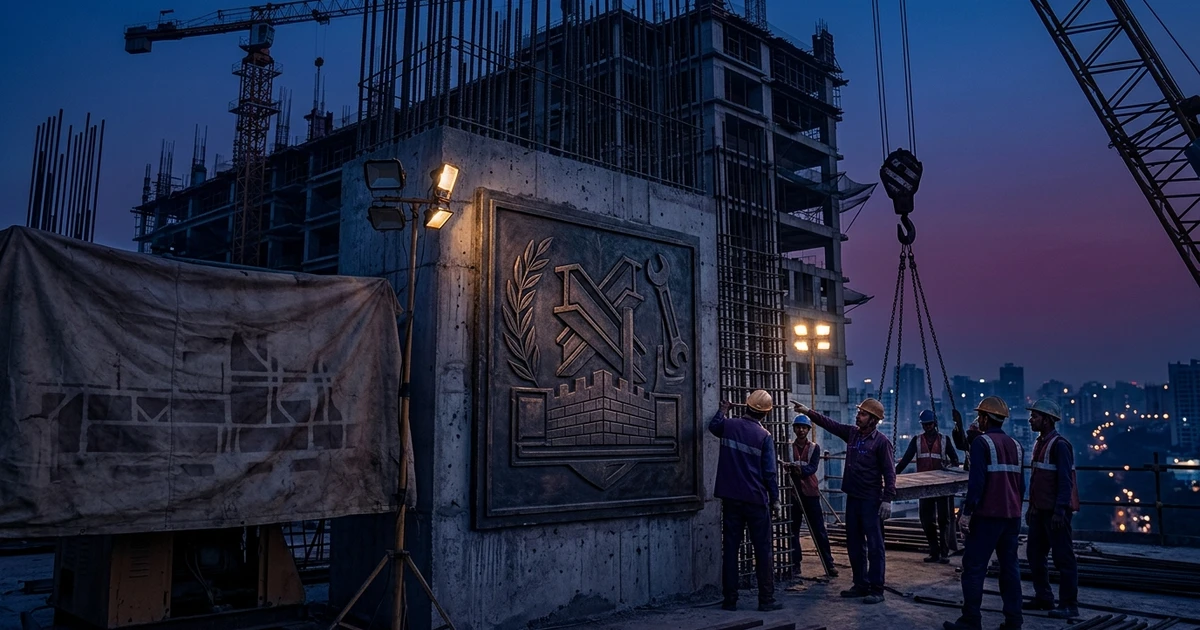
World war history is often studied through politics, defence, and diplomacy. Yet it also offers practical lessons for how societies build, rebuild, and prepare for disruption. For India, where homes, roads, rail corridors, and infrastructure face diverse climatic conditions, these lessons remain relevant. Strong cement, durable design, reliable supply, and sustainable planning all matter. This blog explores how the world war era shaped modern thinking on resilience, and how those insights can guide safer, stronger, and more sustainable construction choices today.
Key Takeaways
- World war history shows why resilient construction depends on planning, material strength, local availability, and dependable logistics.
- Sustainable cement, technical support, and climate aware design can help Indian homes perform better across heat, rain, moisture, and long term use.
- Brands with scale, ESG focus, and customer guidance can support both homeowners and infrastructure buyers in building with confidence.
Why World War History Still Matters for Construction
The world war period changed how nations viewed infrastructure, not only as buildings and roads, but as systems that support life, mobility, trade, and recovery. For modern India, this perspective highlights the value of resilient construction, reliable cement supply, careful engineering, and sustainable planning that can serve communities during normal times and periods of disruption.
The world war era forced countries to think beyond individual structures. Bridges, ports, housing, railways, factories, warehouses, and roads had to work together. When one part failed, daily life and economic activity suffered. This systems view remains important for India, where construction must support dense cities, rural growth, industrial corridors, and public infrastructure.
For historical context, sources such as Encyclopaedia Britannica on World War II show how infrastructure and logistics shaped national preparedness. The lesson is not about conflict. It is about resilience. Strong foundations, durable materials, and dependable distribution help communities recover faster and function better.
Ambuja Cement’s national presence across India connects with this broader need for dependable construction materials. Homeowners may think about a single slab or wall. Engineers may think about load, curing, and performance. Infrastructure buyers may think about supply assurance. All three needs point toward the same principle: build with strength before stress arrives.
World War Lessons on Material Strength and Durability
World war reconstruction showed that materials must do more than meet immediate construction needs. They must support safety, durability, weather resistance, and long service life. In India, cement selection should consider climate, moisture exposure, structural purpose, and workmanship, especially when families invest their savings into building a lasting home.
Material choice can decide how well a structure performs over decades. Cement is central to that decision because it influences concrete strength, density, finish, and resistance to site level challenges. For Indian homes, those challenges often include monsoon moisture, seepage concerns, heat, variable soil conditions, and workmanship differences across sites.
A practical construction checklist should include:
- Choose cement suited to the application, such as foundation, slab, plaster, or heavy duty work.
- Prioritise proper water ratio, curing, and mix practices.
- Plan for seepage prevention in roofs, bathrooms, external walls, and basements.
- Use technical guidance when site conditions are complex.
- Source cement from reliable dealer networks to avoid uncertainty.
This is where product guidance becomes important. Ambuja offers cement products positioned around strength, durability, leakage resistance, seepage prevention, and weather proofing. Products such as Ambuja Kawach and Ambuja Plus are promoted for moisture related concerns, while other offerings serve heavy duty and infrastructure use cases.
The broader world war lessons remind us that resilience starts with planning. A home is not only a structure. It is a long term commitment to safety, comfort, and family security.
World War Supply Lessons for Cement Availability in India
The world war period proved that strong infrastructure depends on strong supply networks. Materials must reach the right place at the right time. For cement buyers in India, this means dealer access, logistics capacity, regional availability, and technical support are not secondary benefits. They are essential parts of resilient construction planning.
Even the best material cannot help if it does not reach the site when needed. Delays can affect curing schedules, labour planning, project timelines, and cost control. For homeowners, this can create stress during an already complex home building journey. For contractors and engineers, it can affect site discipline and quality outcomes.
Ambuja states significant national scale, including cement capacity, integrated plants, grinding units, ready mix concrete plants, bulk cement terminals, captive ships, and jetties. Such operating capability supports availability across diverse regions of India. The company also highlights a large channel partner network, which matters for local access and dealer support.
For first time home builders, the practical takeaway is simple. Do not plan construction only around design and budget. Plan around supply, guidance, and quality assurance too. Reliable cement sourcing helps reduce uncertainty at each stage.
Readers can explore official company information through the Ambuja Cement website. For support related routes, enquiries, and official contact details, the Ambuja contact page can help customers connect through verified channels.
Sustainable Cement and Resilient Construction After Disruption
Modern resilience is not only about strength. It also includes sustainability, resource efficiency, climate responsibility, and responsible growth. World war recovery periods encouraged rebuilding at scale, but today India must build with a deeper focus on ESG, Net Zero pathways, circular economy thinking, and reduced environmental impact.
Construction materials must now meet two expectations. They must perform reliably, and they must support a more sustainable future. India’s growth needs housing, transport, industry, and public infrastructure. At the same time, stakeholders expect companies to reduce emissions, manage resources responsibly, and align with long term climate goals.
The United Nations Sustainable Development Goals highlight the global importance of resilient infrastructure, sustainable cities, responsible consumption, and climate action. Cement companies have an important role in this transition because cement is essential to development.
Ambuja positions sustainability as a core part of its business, with focus areas such as ESG, Net Zero, climate and energy, circular economy, water, nature, people, and communities. Homeowners may not always use the language of ESG, but they understand durable homes, responsible materials, and better long term value.
For a deeper view of Ambuja’s ESG direction, readers can visit the company’s sustainability section and review its sustainability reports. These resources show how corporate responsibility connects with everyday construction choices.
World War Thinking for Indian Homes and Climate Risk
World war thinking teaches preparedness, but Indian home construction needs that principle adapted to local realities. A resilient home must handle heat, rain, moisture, seasonal changes, and daily use. The right cement, careful execution, technical support, and practical budgeting can help homeowners build with greater confidence.
Most Indian families build a home only once or twice in a lifetime. That makes every decision important. Cement selection, curing, plaster quality, roof slab protection, wall systems, and water management all influence performance. Small site mistakes can create long term issues, especially seepage, cracks, and surface deterioration.
Homeowners should ask practical questions before construction starts:
- Which cement is suitable for this stage of work?
- How will the site manage monsoon exposure?
- Is the concrete mix proportion right for the application?
- How will curing be done and monitored?
- Where is the nearest reliable dealer?
- Who can provide technical support if site issues appear?
Ambuja Help and dealer support pathways are designed around such needs. The goal is not only to sell cement. It is to support better home building decisions. Technical guidance can help customers understand product selection, mix practices, concrete testing, and curing support.
This is where the world war lesson becomes relevant again. Preparedness is not panic. It is disciplined planning. A strong home in India should be ready for weather, time, and changing family needs.
Conclusion
World war history may seem far removed from cement and home building, but its lessons are highly practical. It shows why resilient construction depends on strong materials, reliable supply, planned logistics, technical guidance, and sustainable thinking. For India, these lessons matter across homes, commercial projects, rail infrastructure, and public development. Ambuja brings scale, cement expertise, dealer support, and ESG focus to this larger purpose. To build with confidence, start with informed choices, climate aware planning, and trusted construction material support from Ambuja Cement.
Leave a Reply